
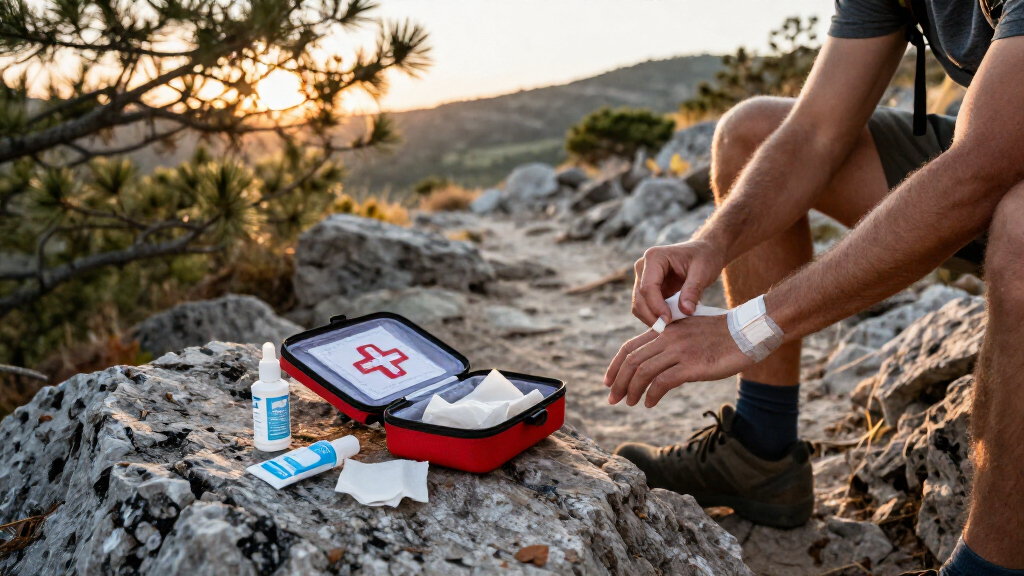
For most travelers, the 150-Piece Mini First Aid Kit with Waterproof EVA Hard-Shell Case is the best overall balance of portable storage and broad coverage. The Adventure Medical Kits Ultralight/Watertight .7 is a stronger fit for outdoor trips and groups, while the EVERLIT CARE Travel Essential Medicine and First Aid Kit adds travel medicines for people who want more than bandages. The main tradeoff is between a small kit that is easy to carry and a larger one with more supplies but greater bulk; kits also vary in whether they suit solo travelers, families, or repeated distribution. I compare all 14 options by portability, contents, case protection, and intended use. Read on for the full breakdown and guidance on choosing a kit for your kind of trip.

Get travel and outdoor gear delivered free with Prime
- Fast, free delivery on millions of items
- Prime Video, Amazon Music and more included
- Member-only deals all year
Complete the kit


Key Takeaways
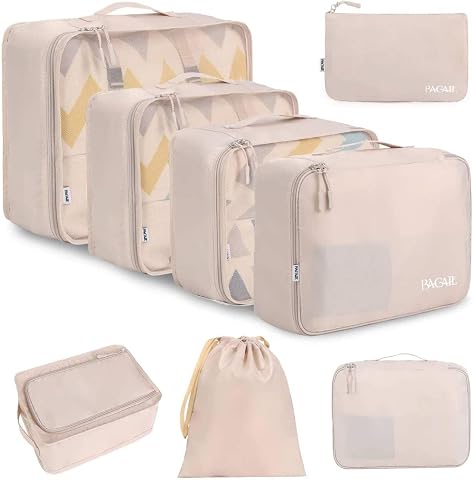
- Case design changes where a kit can go: the EVA hard-shell options offer more structure than slim packets, while the Adventure Medical Kits focus on lightweight, water-resistant packing.
- Piece count alone does not settle the choice: a 320-piece case may suit a vehicle or shared base better than a small day bag, while a compact kit may be easier to keep within reach.
- Some options are designed for multiples: CURAD, Johnson & Johnson, and EVERLIT CARE’s 12-kit pack can serve workplaces, group outings, or separate bags rather than one traveler’s full supply.
- Outdoor-focused kits differ from general travel kits: the Adventure Medical Kits .5 and .7 emphasize compact, protected packing for trips where exposure to the elements matters.
- Medicine needs call for a different kind of kit: the EVERLIT CARE 64-tablet option adds travel medicine, so buyers should compare its contents with their own health needs and trip plans.
| CURAD First Aid Portable Pack, 15-Count, 12 Packs |  | Best for Splitting Up Across Bags | Items per pack: 15 | Pack quantity: 12 | Contents: Alcohol prep pads; Flex-Fabric, plastic, spot, and waterproof bandages | VIEW LATEST PRICE | See Our Full Breakdown |
| 150-Piece Mini First Aid Kit with Waterproof EVA Hard-Shell Case |  | Best Organized Hard-Shell Pick | Supply count: 150+ | Dimensions: 6.4 × 4.9 × 2.7 in | Weight: 0.73 lb | VIEW LATEST PRICE | See Our Full Breakdown |
| Adventure Medical Kits Ultralight/Watertight Medical Kit .5 for 2 People |  | Best for Lightweight Outdoor Travel | Capacity: Designed for 2 people | Inner bag: Reusable waterproof DryFlex bag | Outer bag: Water-resistant with durable water repellent finish | VIEW LATEST PRICE | See Our Full Breakdown |
| DMI Mini 20-Piece First Aid Kit, Water-Resistant Case |  | Best for Simple, Clearly Counted Essentials | Piece count: 20 | Case dimensions: 4 × 3.5 × 1 in | Weight: 0.13 lb | VIEW LATEST PRICE | See Our Full Breakdown |
| 320-Piece First Aid Kit with Waterproof EVA Hard Shell Case, Red |  | Best for Larger Travel Groups | Supply count: 320+ pieces | Dimensions: 8.65 × 5.88 × 3.54 in | Case material: EVA | VIEW LATEST PRICE | See Our Full Breakdown |
| 152-Piece Compact First Aid Kit for Travel, Home, Car, and Outdoor Use |  | Best General-Purpose Travel Kit | Piece count: 152 | Design: Compact and lightweight | Stated travel and outdoor uses: Travel, camping, hiking, and sports | VIEW LATEST PRICE | See Our Full Breakdown |
| Johnson & Johnson First Aid Kit To Go, Travel Size, Pack of 3 |  | Best for Splitting Between Bags | Brand: Johnson & Johnson | Pack size: 3 kits | Items per kit: 12 | VIEW LATEST PRICE | See Our Full Breakdown |
| EVERLIT Pocket-Aid Mini First Aid Kit, 24 Hard-Shell Cases with 50 Items Each |  | Best for Groups and Shared Bags | Brand: EVERLIT | Number of cases: 24 | Items per case: 50 | VIEW LATEST PRICE | See Our Full Breakdown |
| BAND-AID Brand Travel Ready Portable First Aid Kit, 80 Pieces |  | Best for a Balanced Single-Case Kit | Piece count: 80 | Included supplies: Cleansing wipes, gauze pads, antibiotic cream, pain relief caplets, and assorted adhesive bandages | Bandage material: Not made with natural rubber latex | VIEW LATEST PRICE | See Our Full Breakdown |
| EVERLIT CARE Travel Essential Medicine and First Aid Kit, 64 Tablets |  | Best for Travelers Who Want OTC Medicines | Medication variety: 9 types of over-the-counter medications | Tablet count: 64 tablets | Medication packaging: Individually packed single-dose packets | VIEW LATEST PRICE | See Our Full Breakdown |
| Adventure Medical Kits Ultralight/Watertight Medical Kit .7 for 3 People |  | Best for Lightweight Outdoor Trips | Capacity: 3 people | Bag: Reusable waterproof DryFlex inner bag with water-resistant outer bag | Wound care: Bandages, gauze, antiseptic wipes, and ointment | VIEW LATEST PRICE | See Our Full Breakdown |
| EVERLIT CARE Travel Bandage Pack, 12 Mini First Aid Kits |  | Best for Splitting Up Among Travelers | Pack quantity: 12 mini kits | Supplies per pouch: 20 essentials | Pouch dimensions: 5.5 × 3.5 inches | VIEW LATEST PRICE | See Our Full Breakdown |
| 150-Piece Mini First Aid Kit with Waterproof EVA Hard Shell Case |  | Best for Organized, Grab-and-Go Storage | Contents: 150+ first aid supplies | Dimensions: 6.4 × 4.9 × 2.7 inches | Weight: 0.73 lbs | VIEW LATEST PRICE | See Our Full Breakdown |
| 300-Piece First Aid Kit for Car, Home, Camping, and Travel |  | Best for a Shared Travel-and-Vehicle Kit | Item count: 300 pieces | Bag: Compact travel-size bag; zipper edge is not waterproof | Organization: Plastic compartments | VIEW LATEST PRICE | See Our Full Breakdown |
More Details on Our Top Picks
CURAD First Aid Portable Pack, 15-Count, 12 Packs
Twelve separate, resealable packs make this CURAD set a useful choice for travelers who want a small supply in several places: a carry-on, daypack, purse, or car compartment. Each pack has assorted bandage types and alcohol prep pads for cleaning and covering minor scrapes, but the listed contents do not specify how many of each item is inside. Compared with the DMI Mini 20-Piece First Aid Kit, CURAD offers more individual packs to distribute, while DMI provides a defined mix of gauze, tape, and adhesive bandages in one case. The water-resistant packaging is handy for everyday travel, though this is a minor-injury refill-style option, not a kit for broader emergency needs. I’d choose it for convenience, not as my only first aid supply on a remote trip.
Pros:- Twelve individual packs can be placed in separate bags or compartments.
- Includes several bandage types for covering minor injuries.
- Resealable, water-resistant packaging helps protect contents from moisture.
- Slim packs are easy to store in purses, backpacks, suitcases, or cars.
Cons:- Contents focus on minor injuries rather than a broad range of first aid needs.
- Quantities of each item within a pack are not specified.
Best for: Travelers who want to stash a small, reusable first aid pack in several bags or vehicles.
Not ideal for: Hikers or families seeking a single, broadly equipped kit with gauze, tools, and supplies for more than minor cuts and scrapes.
- Items per pack:15
- Pack quantity:12
- Contents:Alcohol prep pads; Flex-Fabric, plastic, spot, and waterproof bandages
- Packaging:Resealable, water-resistant, reusable
- Design:Slim and portable
- Intended use:Minor cuts, scrapes, and burns
Our verdict“Choose CURAD if you want to distribute compact supplies across several travel bags, but pair it with a more complete kit for outdoor or family trips.”
150-Piece Mini First Aid Kit with Waterproof EVA Hard-Shell Case
For travelers who want a defined place for supplies rather than loose packets, this kit pairs 150+ items with separate compartments in a case measuring 6.4 × 4.9 × 2.7 inches. Gloves, prep pads, tweezers, and a tourniquet give it a broader stated supply mix than the DMI Mini 20-Piece First Aid Kit, which is more narrowly focused on basic wound care. At 0.73 pounds, it stays portable, and the carabiners offer a way to attach it to a pack. The EVA shell and wipe-clean surface add protection from splashes, but waterproof does not mean soak-proof: the case should not be submerged. Its compact dimensions also limit room for larger supplies or personal additions, so it suits organized day-trip carry better than extensive group provisioning.
Pros:- Independent compartments and inner sleeves help keep supplies sorted.
- Compact case weighs 0.73 pounds and includes carabiners for pack attachment.
- EVA case with a smooth PU surface is easy to clean and resists water exposure.
- Includes a broader range of listed items than a basic cuts-and-scrapes kit.
Cons:- The case should not be soaked despite its waterproof description.
- Compact interior may not fit larger supplies or substantial personal additions.
Best for: Day hikers and travelers who want an organized, portable kit with a hard case and a wider stated supply mix than a basic bandage pack.
Not ideal for: Travelers needing a kit for a large group, bulky medical supplies, or exposure where the case may be submerged.
- Supply count:150+
- Dimensions:6.4 × 4.9 × 2.7 in
- Weight:0.73 lb
- Case material:Waterproof EVA with smooth PU surface
- Organization:Independent compartments and inner sleeves
- Listed supplies:Bandages, gloves, povidone-iodine prep pads, metal tweezers, tourniquet
- Additional features:Premium zippers and bonus carabiners
- Water exposure guidance:Do not soak the case
Our verdict“Pick this kit for organized day-trip carry and a hard shell, provided you do not need space for bulky supplies or a full group’s gear.”
Adventure Medical Kits Ultralight/Watertight Medical Kit .5 for 2 People
This kit is the clearest match for travelers who prioritize low-bulk outdoor carry over a high item count. It is designed for two people, fits in a pack side pocket, and combines wound care with blister treatment and supplies for insect stings and muscle aches. Its waterproof DryFlex inner bag provides a more direct moisture barrier than the water-resistant case on the DMI Mini 20-Piece kit, while the outer bag adds another layer of protection. The tradeoff is scope: the listed contents address common outdoor problems, not a wide range of serious emergencies, and there is no item count or weight provided here for comparison. Compared with the 150-Piece EVA kit, this option emphasizes compact packing and specific trail discomforts rather than organized hard-shell storage.
Pros:- Compact format fits in a backpack side pocket.
- Waterproof DryFlex inner bag helps keep supplies dry.
- Designed to serve two people.
- Includes supplies for wound care, blisters, insect stings, and muscle aches.
Cons:- Contents are aimed at common outdoor injuries and discomforts rather than comprehensive emergency care.
- The provided product data does not specify the kit’s weight or total item count.
Best for: Two-person hiking or camping trips where pack space is limited and blister, sting, and basic wound supplies matter.
Not ideal for: Families or travelers who want a large, clearly counted supply assortment, a rigid case, or broad coverage for more serious emergencies.
- Capacity:Designed for 2 people
- Inner bag:Reusable waterproof DryFlex bag
- Outer bag:Water-resistant with durable water repellent finish
- Wound-care supplies:Bandages, gauze, antiseptic wipes, antibiotic ointment
- Outdoor-care supplies:Insect sting relief, medications, moleskin
- Tools and small items:Alcohol swabs, splinter picker, safety pin
- Storage format:Compact kit designed to fit in a pack side pocket
Our verdict“Choose the .5 kit for a two-person trip where compact packing and blister care take priority over a large, general-purpose inventory.”
DMI Mini 20-Piece First Aid Kit, Water-Resistant Case
The DMI is a straightforward travel kit for minor cuts and scrapes, with a specified 20-piece mix rather than an open-ended assortment: alcohol swabs, gauze, a bandage roll, tape, and adhesive bandages. At 4 × 3.5 × 1 inch and 0.13 pounds, it is easier to tuck into a small day bag than the 150-Piece Mini First Aid Kit, though it offers far fewer supplies and no listed tools such as tweezers. Its water-resistant case adds basic protection from damp conditions without taking much space. I’d favor DMI when I want to know what the small kit contains and expect routine, minor needs. The limitation is equally clear: 20 pieces leave little depth for a group, longer trip, or injuries beyond basic wound care.
Pros:- Compact 4 × 3.5 × 1-inch case fits easily in a small bag.
- At 0.13 pounds, it adds little weight to travel gear.
- Contents and quantities are clearly specified.
- Includes gauze, a bandage roll, and tape alongside adhesive bandages.
Cons:- A 20-piece supply set offers limited capacity for longer trips or multiple people.
- Listed contents focus on minor wound care and do not include tools or specialized outdoor supplies.
Best for: Solo travelers who want a lightweight, compact kit with a clearly listed set of basic wound-care supplies.
Not ideal for: Families, multi-day outdoor groups, or travelers who need blister care, tools, or a larger reserve of supplies.
- Piece count:20
- Case dimensions:4 × 3.5 × 1 in
- Weight:0.13 lb
- Case:Durable, water-resistant
- Alcohol swabs:6
- Gauze pads:2
- Bandage roll and tape:1 roll and 1 tape
- Adhesive bandages:10
Our verdict“Choose DMI for a small, lightweight set of clearly specified basics, but step up to a larger kit if you are packing for others or spending several days outdoors.”
320-Piece First Aid Kit with Waterproof EVA Hard Shell Case, Red
When a trip calls for more supplies in one place, this red hard-shell kit offers 320+ pieces and labeled compartments, a much larger stated inventory than the 150-piece EVA kit. The labels can make it easier to find a needed item without unpacking everything, while the double zippers and carabiners support travel and outdoor carry. At 8.65 × 5.88 × 3.54 inches, however, it is noticeably less suited to a small daypack than the Adventure Medical Kits .5, which is designed for a pack side pocket. Its EVA case is water-resistant, not meant to be soaked, and the product data does not provide a complete breakdown of every included item. I’d choose it for a car, base camp, or group bag where supply volume matters more than minimizing bulk.
Pros:- More than 320 supplies provide a larger shared inventory than the 150-piece EVA kit.
- Labeled compartments help locate items quickly.
- Double zippers and a hard-shell EVA case add structure for packed travel gear.
- Carabiners offer options for carrying or hanging the case.
Cons:- Its 8.65 × 5.88 × 3.54-inch case takes more room than compact pocket-oriented kits.
- The case should not be soaked.
- The listed supply data does not give a complete breakdown of every item.
Best for: Families, car travelers, and group campers who want a larger shared supply kit with labeled storage.
Not ideal for: Solo backpackers or travelers with limited luggage space who need a small, lightweight kit or a fully itemized inventory.
- Supply count:320+ pieces
- Dimensions:8.65 × 5.88 × 3.54 in
- Case material:EVA
- Case type and color:Hard shell, red
- Organization:Labeled compartments
- Case features:Water-resistant double zippers
- Included supplies:Bandages, povidone-iodine prep pads, metal tweezers, tourniquets
- Carrying features:Carabiners
- Water exposure guidance:Do not soak the case
Our verdict“Choose this larger kit for a family, car, or group base camp where supply volume and labeled storage matter more than packability.”
152-Piece Compact First Aid Kit for Travel, Home, Car, and Outdoor Use
I’d choose this kit for travelers who want one compact set of basic supplies that can move between a backpack, car, and home storage. Its 152-piece count is substantially larger than the Johnson & Johnson First Aid Kit To Go, which has 12 items per case and is aimed at minor incidents. The broader stated uses, including camping, hiking, sports, and office needs, make this a more flexible grab-and-go option. The tradeoff is that the available product details don’t identify the individual supplies, so I can’t judge whether the count translates into a useful mix for a particular trip. No dimensions or weight are listed either, which makes packing fit harder to predict. I’d pick it for general preparedness, not a tightly planned medical loadout.
Pros:- Compact, lightweight design is described as suitable for bags, backpacks, and vehicle storage
- 152-piece count offers more contents than the 12-item Johnson & Johnson travel cases
- Stated uses span travel, camping, hiking, sports, home, car, and office
- TSA approval is stated in the product title
Cons:- Specific included supplies are not listed, making it difficult to assess coverage
- No dimensions or weight are provided to confirm how it fits a particular bag
- The broad use claims do not establish whether it has specialized supplies for any one activity
Best for: Travelers who want a lightweight kit for a bag or vehicle that can also serve for everyday outdoor and home needs
Not ideal for: Buyers who need a verified list of specific supplies or exact dimensions and weight before packing
- Piece count:152
- Design:Compact and lightweight
- Stated travel and outdoor uses:Travel, camping, hiking, and sports
- Other stated uses:Home, car, and office
- TSA approval:Stated in product title
- Listed contents:Specific supplies not provided
Our verdict“Choose this for a flexible, compact general-purpose kit, but not if you need a confirmed inventory or precise packing measurements.”
Johnson & Johnson First Aid Kit To Go, Travel Size, Pack of 3
The main advantage here is three separate, ready-to-place cases: I can keep one in a purse, one in a glove box, and another in a gym bag without moving supplies around. Each plastic case contains 12 items, including cleansing wipes, gauze pads, and two sizes of adhesive bandages, so its purpose is straightforward: minor first aid in a small footprint. Compared with the 152-piece compact kit, this set gives up breadth and capacity in exchange for distributed convenience and a named core inventory. It also offers less range than the BAND-AID Brand Travel Ready kit, which lists supplies for cleaning wounds and temporary pain relief. I’d skip this if one fuller kit is the goal; the small item count is a real limit for longer trips or group travel.
Pros:- Three kits can be stored in separate bags, vehicles, or workspaces
- Each durable plastic case is sized for a glove box, purse, or gym bag
- Named contents include cleansing wipes, gauze pads, and two bandage sizes
- Simple 12-item format suits minor first aid needs without a bulky case
Cons:- Only 12 items per kit limits coverage compared with larger travel kits
- Designed for minor first aid situations rather than broader trip needs
- Three small cases may be less useful than one more fully stocked kit for a single traveler
Best for: Commuters and families who want a small, basic first aid case kept in several everyday locations
Not ideal for: Travelers seeking broader coverage, supplies for a group, or one kit for an extended outdoor trip
- Brand:Johnson & Johnson
- Pack size:3 kits
- Items per kit:12
- Case material:Plastic
- Included supplies:Hand cleansing wipes, gauze pads, and two sizes of adhesive bandages
- Intended use:Minor first aid situations
Our verdict“Pick this three-pack if you value having basic supplies in several places more than carrying a broad inventory in one case.”
EVERLIT Pocket-Aid Mini First Aid Kit, 24 Hard-Shell Cases with 50 Items Each
For group travel, school outings, or a household that wants small kits in several bags, this set stands out for its 24 individual hard-shell cases. Each contains 50 items, with wound-care supplies such as gauze, non-adherent pads, medical tape, wound prep pads, and sting relief pads. The water-resistant shell and D-ring slot also make a case easier to attach to a pack and better protected from splashes than the soft bag on the EVERLIT CARE Travel Essential Medicine and First Aid Kit. This is a different kind of travel choice: it supplies many separate kits rather than one central kit with medications. The case dimensions aren’t listed, and the contents focus on minor cuts, scrapes, and stings, so it’s not a substitute for a more tailored kit or medication selection.
Pros:- Twenty-four separate cases make it easy to equip multiple bags or people
- Each case has 50 items, including several wound-care supplies
- Water-resistant hard shells help shield contents from splashes
- D-ring slots allow cases to attach to a bag or belt loop
Cons:- The contents are focused mainly on minor cuts, scrapes, and stings
- No case dimensions are provided, so attachment and packing fit are uncertain
- A 24-case set may be excessive for a solo traveler who needs only one kit
Best for: Families, group organizers, and frequent day-trippers who want to distribute small wound-care kits across multiple bags
Not ideal for: Solo travelers who need just one kit, or buyers looking for medications and broader treatment supplies in a single pack
- Brand:EVERLIT
- Number of cases:24
- Items per case:50
- Total items:1,200
- Case type:Hard-shell
- Case features:Water-resistant, lightweight, with D-ring slot
- Listed contents:Adhesive plasters, sterile gauze pads, non-adherent pads, wound prep pads, medical tapes, and sting relief pads
- Intended use:Minor cuts, scrapes, and stings
Our verdict“Choose this for distributing compact wound-care kits among a group, not for a solo traveler seeking one all-purpose medical kit.”
BAND-AID Brand Travel Ready Portable First Aid Kit, 80 Pieces
This is a practical middle ground for travelers who want more than a few bandages without carrying a large kit. Its 80 assorted supplies cover wound cleaning and dressing, plus antibiotic cream and pain relief caplets for temporary needs. That gives it a broader stated mix than the Johnson & Johnson First Aid Kit To Go, whose 12-item cases focus on minor first aid, while keeping the format more straightforward than the 64-tablet EVERLIT CARE medicine kit. I also value the latex-free adhesive bandages for travelers who avoid natural rubber latex. The case is described as compact and durable, but the contents are still aimed at minor issues, and buyers may want to refill it with preferred items. It’s a balanced personal kit, not a complete answer for every trip or traveler.
Pros:- Combines cleansing wipes, gauze, antibiotic cream, and pain relief caplets
- Assorted adhesive bandage sizes help address different minor cuts and scrapes
- Bandages are not made with natural rubber latex
- Compact, durable case suits travel bags, cars, and home storage
Cons:- Intended for minor injuries and temporary pain rather than more extensive care
- May need refilling with supplies that match a traveler’s preferences
- The product details do not specify the quantities of each type of supply
Best for: Solo travelers who want one compact case with wound-care basics and some temporary pain relief
Not ideal for: Travelers who need specialized supplies, a kit for a group, or a fully personalized medication selection
- Piece count:80
- Included supplies:Cleansing wipes, gauze pads, antibiotic cream, pain relief caplets, and assorted adhesive bandages
- Bandage material:Not made with natural rubber latex
- Case:Durable, compact, and portable
- Intended use:Minor cuts, scrapes, burns, aches, and temporary pain
- Refill note:May need replenishment with preferred first aid supplies
Our verdict“Choose this for a compact, balanced personal kit with wound care and temporary pain relief, while planning to add any preferred essentials.”
EVERLIT CARE Travel Essential Medicine and First Aid Kit, 64 Tablets
Unlike the BAND-AID Brand Travel Ready kit, which combines wound-care supplies with antibiotic cream and pain relief caplets, this kit puts medication variety at the center: it has nine types of individually packed over-the-counter medicines for common concerns such as allergies, motion sickness, headaches, and upset stomach. Bandages, blister cushions, sting relief pads, and antiseptic wipes fill out the basic first aid side. The water-resistant compact bag suits travel and outdoor use, and the product says it is designed to meet TSA 3-1-1 rules. That makes it a useful option for travelers who want single-dose packets close at hand, but the medication choices may not suit everyone, and the kit is limited to minor issues. It also does not include liquids, so travelers should not treat it as a complete personal medication supply.
Pros:- Nine types of OTC medication address several common travel concerns
- Individually packed single doses are convenient to carry and manage
- Includes bandages, blister cushions, sting relief pads, and antiseptic wipes
- Compact, water-resistant bag is designed for travel and outdoor use
Cons:- Medication selection may not match an individual traveler’s needs
- No liquids are included
- Designed for minor issues and does not provide broad medical coverage
Best for: Travelers who want individually packed OTC options for common discomforts alongside basic blister and wound-care supplies
Not ideal for: People with specific medication needs, travelers who require liquids, or anyone expecting comprehensive medical coverage
- Medication variety:9 types of over-the-counter medications
- Tablet count:64 tablets
- Medication packaging:Individually packed single-dose packets
- First aid supplies:Adhesive bandages, blister cushions, sting relief pads, and antiseptic wipes
- Bag:Compact and water-resistant
- Carry-on guidance:Designed to meet TSA 3-1-1 rules
- Medication limitations:No liquids; medication selection may not suit every traveler
Our verdict“Pick this if travel medications are your priority and the listed OTC options suit you; choose a wound-care-focused kit if they do not.”
Adventure Medical Kits Ultralight/Watertight Medical Kit .7 for 3 People
Built for pack carry, this kit suits travelers who expect hikes, camping, or wet conditions and want more than basic cut care. Its waterproof DryFlex inner bag helps protect supplies inside a water-resistant outer bag, while the contents address wounds, blisters, insect stings, and tick removal. That outdoor focus gives it a different job from the EVERLIT CARE Travel Bandage Pack, which splits minor-wound supplies across twelve small pouches rather than serving as one trail kit. The .7 is listed for three people, but its supplies are aimed at common injuries, not every emergency, so buyers with specific medical needs may need to add items. The outer bag is not described as waterproof, making the sealed inner bag the stronger barrier against moisture.
Pros:- Compact, lightweight format suits storage in a backpack side pocket
- Waterproof inner bag helps shield supplies from moisture
- Includes blister care and wound-care supplies for outdoor trips
- Tick remover forceps are included
Cons:- The outer bag is water-resistant, not described as waterproof
- Contents focus on common outdoor injuries rather than broad emergency care
- Specific supplies may not match every traveler’s medical needs
Best for: Hikers and campers who want a lightweight shared kit with blister and tick-care supplies packed in a moisture-protective inner bag.
Not ideal for: Travelers seeking a broad emergency or family medical supply, since the contents focus on common outdoor injuries and may not cover every need.
- Capacity:3 people
- Bag:Reusable waterproof DryFlex inner bag with water-resistant outer bag
- Wound care:Bandages, gauze, antiseptic wipes, and ointment
- Outdoor care:Moleskin, insect sting relief, and tick remover forceps
- Other contents:Cotton tip applicators, medications, and more
- Intended use:Common outdoor injuries
Our verdict“Choose this for a small group’s outdoor trips when packability, blister care, and a waterproof inner pouch matter more than broad coverage.”
EVERLIT CARE Travel Bandage Pack, 12 Mini First Aid Kits
The standout here is the twelve-pouch format: instead of carrying one shared kit, a group can place a small supply in each day bag, suitcase, or vehicle. Each 5.5 × 3.5-inch resealable pouch weighs 0.8 oz and holds 20 essentials for minor cuts and scrapes, making this a practical option for organized group travel or distributing supplies across several bags. Compared with the Adventure Medical Kits Ultralight/Watertight Medical Kit .7, this set is easier to divide but lacks its stated focus on blister care, tick removal, and outdoor injuries. The water-resistant pouch can help keep contents clean and dry during ordinary travel, but it is not a comprehensive first aid kit, and its minor-wound scope leaves larger or more varied needs uncovered.
Pros:- Twelve pouches make it easy to distribute supplies across bags or people
- Each pouch is compact and weighs 0.8 oz
- Resealable, water-resistant pouch helps protect supplies from everyday moisture
- Latex-free supplies for minor wound care
Cons:- Each pouch is intended for minor wounds, not comprehensive first aid
- The 20-item contents per pouch offer less breadth than larger kits
- A group may need another kit for outdoor injuries or more involved care
Best for: Families, tour groups, or travelers who want a light minor-wound pouch in each person’s bag rather than one shared kit.
Not ideal for: Hikers or travelers who need blister, tick, or broader outdoor-injury supplies in a single more complete kit.
- Pack quantity:12 mini kits
- Supplies per pouch:20 essentials
- Pouch dimensions:5.5 × 3.5 inches
- Weight per pouch:0.8 oz
- Pouch:Water-resistant, resealable zipper pouch
- Supply material note:Latex-free
- Intended care:Minor cuts and scrapes
Our verdict“Pick this pack when you want lightweight minor-wound supplies distributed across several travelers’ bags.”
150-Piece Mini First Aid Kit with Waterproof EVA Hard Shell Case
This kit makes sense for travelers who want supplies arranged in a small, structured case rather than loose in a soft pouch. Its labeled sleeves and multiple compartments can make it easier to find a needed item quickly, and the 6.4 × 4.9 × 2.7-inch case is sized for a backpack or vehicle. The 150-plus supply count includes items such as gloves, iodine prep pads, tweezers, and a tourniquet, giving it a broader listed assortment than the EVERLIT CARE Travel Bandage Pack, whose pouches are meant for minor wounds. The tradeoff is that a hard case takes more space than a flat pouch, and the waterproof EVA surface should not be soaked. Its compact interior also leaves limited room for adding personal medications or extra supplies.
Pros:- Labeled sleeves and compartments help organize supplies for quick access
- Compact case has carabiners for backpack attachment
- Waterproof EVA surface is easy to clean
- Includes more than 150 supplies, including gloves and metal tweezers
Cons:- The case should not be soaked despite its waterproof surface
- Compact interior limits space for adding extra supplies
- Hard-shell format is less flexible to pack than a small soft pouch
Best for: Road trippers and outdoor travelers who want labeled compartments in a compact case that can attach to a backpack.
Not ideal for: Minimalist travelers who need the flattest possible kit or anyone who wants ample room to add personal supplies.
- Contents:150+ first aid supplies
- Dimensions:6.4 × 4.9 × 2.7 inches
- Weight:0.73 lbs
- Case material:Waterproof EVA with PU surface
- Organization:Multiple compartments with labeled sleeves
- Included accessories:Carabiners
- Listed contents:Bandages, gloves, iodine prep pads, metal tweezers, and a tourniquet
Our verdict“Choose this when organized access and a backpack-attachable case matter more than a flexible, expandable pouch.”
300-Piece First Aid Kit for Car, Home, Camping, and Travel
Broad-use contents are the reason to choose this kit: it combines basic wound supplies and tools with an emergency blanket, triangular bandage, and instant ice packs. That mix suits a car or family travel setup better than the Adventure Medical Kits Ultralight/Watertight Medical Kit .7, which is more focused on lightweight outdoor carry, blister care, and tick removal. Plastic compartments help keep items separated, while the triangular bandage can support an arm or secure a dressing. The listed 300 pieces suggest a wide assortment, but piece count alone does not mean deep quantities of each item. The bag is described as waterproof, yet its zipper edge is not; plastic scissors and tweezers may also be less durable than metal tools. This is a more general-purpose option than a minimalist hiking pouch, but less focused for pack-weight-conscious trips.
Pros:- Includes a broad assortment of basic supplies and tools
- Emergency blanket and triangular bandage add useful support options
- Plastic compartments help separate and locate items
- Compact bag is intended for travel and outdoor activities
Cons:- Zipper edge is not waterproof
- Plastic scissors and tweezers may be less durable than metal tools
- General-purpose contents are less tailored to outdoor needs than the Adventure Medical Kits .7
Best for: Families and road trippers who want one general-purpose kit for a vehicle, lodging, and occasional outdoor use.
Not ideal for: Backpackers prioritizing low weight and specialist trail supplies, or buyers who need a fully waterproof closure.
- Item count:300 pieces
- Bag:Compact travel-size bag; zipper edge is not waterproof
- Organization:Plastic compartments
- Dressings and bandages:Assorted adhesive bandages, burn dressings, PBT bandages, and gauze sheets
- Tools and small supplies:Cotton swabs, tongue depressors, safety pins, plastic scissors, and plastic tweezers
- Additional contents:Instant ice packs, triangular bandage, and emergency blanket
- Intended use:Home, car, travel, workplace, sports, hiking, and camping
Our verdict“Pick this as a shared car-and-travel kit when a wide basic assortment matters more than trail-specific packing or a fully sealed waterproof bag.”
How We Picked
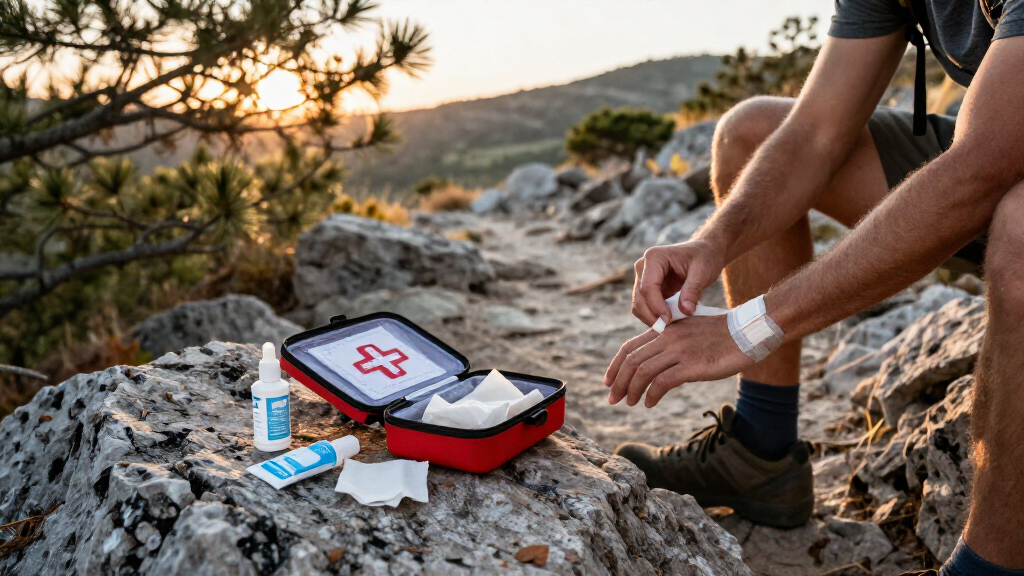
I compared these travel first aid kits on the things that affect use away from home: how easy they are to carry, how well their cases protect and organize supplies, how broad their stated contents are, and whether the format fits solo travel, group use, or outdoor outings. I also separated kits intended for repeated distribution from kits designed as one portable set; a multipack can be useful, but it is not automatically the best single-traveler choice.
The ranking favors useful portability and clear trip fit over the largest item count. Hard-shell cases and compact packages earn credit when they make supplies easier to store and access, while outdoor-oriented water-resistant designs have an advantage for exposed trips. Products with medicine or a specialized format are ranked for those specific needs rather than treated as universal picks. Where two listings have near-identical names, I distinguish them by the stated case description and avoid assuming their contents differ without evidence.
Factors to Consider When Choosing Travel First Aid Kits
Before choosing a kit, I would match its format to the trip rather than shop by piece count alone. These broader checks can help you decide what to carry, what to add yourself, and when a multipack or larger case makes sense.
Match the kit to the kind of trip
A city weekend, a family road trip, and a wet backcountry outing create different first-aid needs. For urban travel, a small kit that stays in a day bag may be more useful than a large case left in a hotel room or vehicle. For outdoor use, a protective, water-resistant package can matter more than a long list of general supplies. Group trips also change the calculation: one shared kit needs to be reachable by everyone, while separate mini kits can spread basic supplies across bags. Decide where the kit will live during the trip before choosing its size.
Treat piece counts as a rough guide
Manufacturers’ item counts do not tell you how many different situations a kit can handle. A count may include multiple small dressings or repeated items, so compare the types of supplies and their quantities when that information is available. A high count can be helpful for a car, family, or shared camp kit, but it can also add bulk without improving what you carry each day. For a personal travel kit, a smaller set of relevant supplies may be easier to keep close. Check whether the contents match your likely needs instead of treating the largest number as the best value.
Choose a case you will actually carry
A rigid shell can protect contents from being crushed in luggage, but it can take up more room than a soft pouch. Slim packets are easy to divide between bags yet may offer less organization or protection once opened. Consider how the kit fits beside your other essentials and whether you can recognize and reach supplies quickly. A hard case is often a sensible choice for a packed car or suitcase; a low-profile option may be better for a small personal bag. Do not buy a case for its appearance alone—its shape and closure need to suit how you store it.
Check for medicines and personal requirements
Many first aid kits focus on wound-care supplies rather than medicines, so travelers who want tablets should check the contents and labels rather than assume they are included. A kit with travel medicines can be useful, but it may not match every person’s health needs or preferred products. Review ingredient information, expiration dates, and any restrictions relevant to your destination before relying on included medication. Travelers with allergies, regular prescriptions, or specific medical needs should plan their own labeled supplies. Treat a general kit as a starting point, not a replacement for personal medical preparation.
Plan for the group and how supplies will be shared
A multipack may be a better purchase for a team, family, classroom, or several vehicles than a single large kit. Separate kits let people keep basic supplies nearby, but they can duplicate items and leave each person with a narrower selection. One shared kit consolidates supplies, though it only helps if the group knows where it is and can access it. For trips with children or multiple adults, think about who will carry the kit and who may need its contents. Choose a format around the group’s routines, not just the number of people on the booking.
Check upkeep before the trip
A kit is only useful if its contents are present, in usable condition, and easy to find. Before departure, inspect sealed items, replace anything used, and check expiration dates where applicable. If you add personal supplies, keep them organized so they do not obscure the original contents. Reusable cases can make restocking more practical, but they also put more responsibility on you to track what is missing. A quick check after each trip helps prevent a kit from becoming a bulky case with gaps in the supplies you expected.
Frequently Asked Questions
Is a larger-piece-count kit automatically better for travel?
No. A higher count can reflect many repeated small items rather than a wider range of useful supplies, and a larger case may be harder to carry daily. Compare the contents and the kit’s intended setting before choosing. A compact kit can suit a personal bag, while a larger case may make more sense in a car or at a shared campsite. The right choice is the one you can carry and access when needed.
Should I choose one shared kit or several mini kits for a group trip?
One shared kit can hold a broader supply selection in a single place, but it depends on someone carrying it and everyone knowing where it is. Several mini kits distribute basic supplies across bags and can work well for groups that split up during the day. Multipacks such as the CURAD, Johnson & Johnson, and EVERLIT CARE bandage options are designed around multiple small kits, not necessarily one all-purpose group case. If you choose separate kits, decide whether the group also needs a shared reserve.
Do I need a water-resistant kit for ordinary vacations?
Not every trip calls for specialized weather protection. For luggage kept indoors, a compact case that protects supplies from being crushed may be enough. Water-resistant packaging becomes more useful for boating, hiking, camping, or other activities where a bag may get wet. The Adventure Medical Kits in this roundup are aimed more directly at exposed outdoor use than basic portable packs. Match the protection to the conditions rather than adding bulk for a feature your trip is unlikely to need.
Are travel first aid kits likely to include the medicines I need?
Do not assume that a first aid kit includes medication; many focus on bandages and wound-care supplies. The EVERLIT CARE Travel Essential Medicine and First Aid Kit is the medicine-oriented option in this lineup, but its stated tablet count alone does not confirm that it suits your needs. Check the listed ingredients and quantities, and account for allergies, prescriptions, and destination rules. Bring your own properly labeled medication when you depend on a particular product or dose.
What should I check before packing a kit for a long trip?
Check the contents, condition, and expiration dates before leaving, especially if the kit has been stored for a while or used on an earlier trip. Confirm that the case closes securely and that supplies you expect are actually inside. Add personal items that the kit does not cover, such as medication you regularly use, while keeping them clearly identified. For a longer trip, consider how you will replace supplies after use and whether the kit will stay accessible as your luggage changes. A quick inventory is more useful than discovering a gap away from home.
Conclusion
For most travelers, I would start with the 150-Piece Mini First Aid Kit with Waterproof EVA Hard-Shell Case as the best overall choice for a portable set with structured storage. For best value across several bags or people, the CURAD 12-pack or another multipack makes more sense than buying one large shared case. For a premium outdoor-focused pick, I would choose the Adventure Medical Kits Ultralight/Watertight .7 for a group of three, or the .5 for two people who want a smaller format. Beginners who want a straightforward, familiar portable kit can start with the BAND-AID Brand Travel Ready or Johnson & Johnson To Go. For travelers who specifically want included medicines, consider the EVERLIT CARE 64-tablet kit after checking its contents against personal needs; for car storage or a shared base, the larger 300- or 320-piece cases are better suited than daily carry.