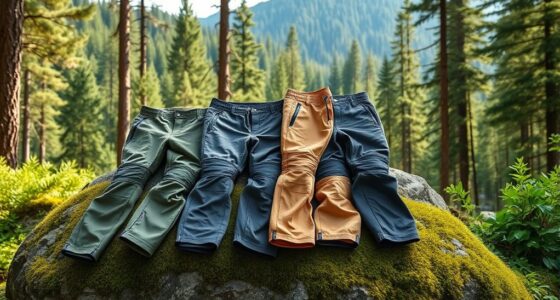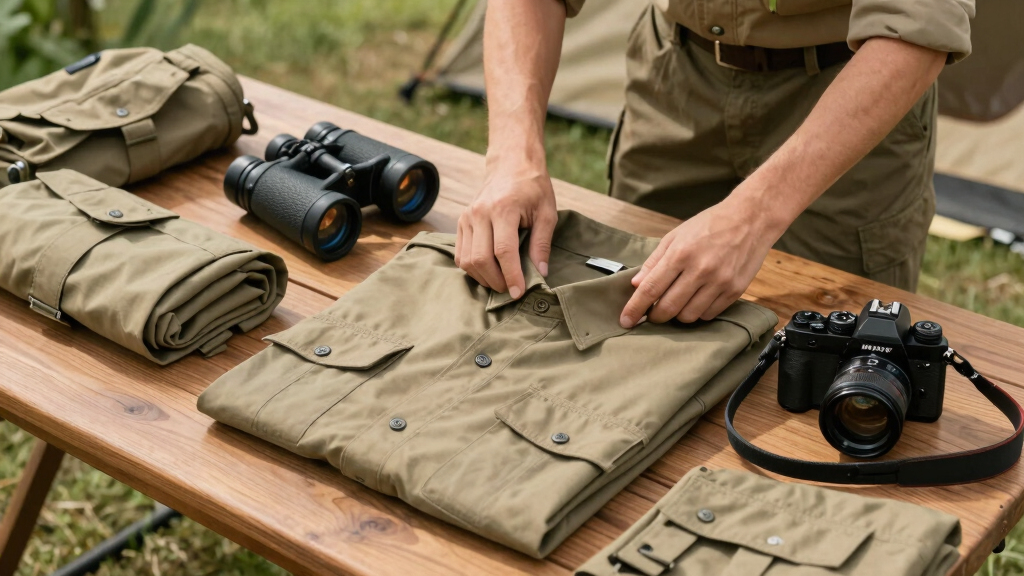
The best safari travel gear solves the problems that repeatedly appear in the bush: strong sun, biting insects, and limited carrying space. My first choice is the GearTOP Safari Hat because UPF 50+ coverage and a wide brim are useful during game drives, walks, and lodge downtime. I rank the Insect Shield Lightweight Hiking Socks second for their specialized permethrin treatment, while the WATERFLY Sling Backpack is the compact organization pick.

Get travel and outdoor gear delivered free with Prime
- Fast, free delivery on millions of items
- Prime Video, Amazon Music and more included
- Member-only deals all year
These products are complementary rather than interchangeable. The hat provides the broadest everyday benefit, the socks address a narrower but serious nuisance, and the sling keeps small items accessible without the bulk of a daypack. My ranking weighs safari-specific usefulness more heavily than feature count. Buyers still face real compromises involving brim stiffness, chemical insect treatment, and limited bag capacity.
Complete the kit

Key Takeaways
- I rank the GearTOP hat first because sun exposure affects more safari hours than either storage or sock-level insect protection.
- The Insect Shield socks offer the most specialized protection, but their treatment has a 70-wash lifespan.
- The WATERFLY sling is the easiest organizer to carry, though its 6-liter volume rules out bulky layers and large camera kits.
- None of these picks replaces sunscreen, a full insect plan, or weatherproof luggage.
- My choice would be the hat for general safaris, the socks for insect-heavy routes, and the sling for light packers.
| GearTOP Safari Hat for Men and Women, UPF 50+ Sun Protection, Wide Brim, Packable, Water-Repellent |  | Best Overall | Fabric: 100% nylon | UPF rating: 50+ | Claimed UV blocking: 98% of UVA and UVB rays | VIEW LATEST PRICE | See Our Full Breakdown |
| Insect Shield Lightweight Hiking Socks with Permethrin Bug Repellant |  | Best for Insect Protection | Fabric: Polyester blend | Insect treatment: Permethrin | Treatment registration: EPA-registered | VIEW LATEST PRICE | See Our Full Breakdown |
| WATERFLY Crossbody Sling Backpack Travel Hiking Chest Bag (Teal Blue) |  | Best Compact Organizer | Dimensions: 7 x 3.5 x 15 inches | Material: Polyester | Weight: 8.47 ounces | VIEW LATEST PRICE | See Our Full Breakdown |
| safari travel gear | Fabric | Care |
|---|---|---|
| GearTOP Safari Hat for Men and | 100% nylon | Machine wash |
| Insect Shield Lightweight Hiki | Polyester blend | Machine wash |
| WATERFLY Crossbody Sling Backp | — | — |
More Details on Our Top Picks
GearTOP Safari Hat for Men and Women, UPF 50+ Sun Protection, Wide Brim, Packable, Water-Repellent
The GearTOP Safari Hat earns my top position because it addresses the most persistent safari condition: exposure to the sun. Its UPF 50+ nylon fabric covers the scalp, while the structured wide brim adds shade around the face and neck. That combination has value during an open-vehicle drive, a bush walk, or lunch outside, making this the most broadly useful product in the lineup.
Compared with the Insect Shield socks, this hat offers protection over a larger and more exposed area, although it does nothing about mosquitoes or ticks. It is also more immediately protective than the WATERFLY sling, whose main benefit is organization. Mesh vents should release some heat, and the adjustable drawstring helps when wind rises around a moving vehicle. The hidden pocket and packable construction add travel utility without turning the hat into a gadget-heavy accessory.
The tradeoff is structure. A stiffer brim holds its shape better than a floppy sun hat, but some travelers may find it less comfortable to compress or wear against a high seatback. Water-repellent nylon can handle light moisture, yet it may feel warmer than a highly porous fabric. The listed 22- to 23.5-inch fit range also excludes buyers outside that span. I would pair it with sunscreen rather than treat the brim as complete sun coverage.
Pros:- UPF 50+ fabric adds strong coverage from ultraviolet exposure
- Wide structured brim shades more area than a cap
- Mesh vents and an adjustable drawstring suit warm, windy outings
- Packable body and hidden pocket are useful during travel
Cons:- Structured brim may feel too stiff against seats or inside luggage
- Water-repellent nylon may retain more heat than airier fabric
- Listed head-size range will not fit every buyer
Best for: I recommend it to first-time safari travelers who want one versatile item for game drives, walks, and general outdoor touring.
Not ideal for: I would skip it if a soft floppy brim, a highly breathable fabric, or sizing outside 22 to 23.5 inches is a priority.
- Fabric:100% nylon
- UPF rating:50+
- Claimed UV blocking:98% of UVA and UVB rays
- Head circumference:22–23.5 inches
- Weather treatment:Water-repellent
- Ventilation:Mesh vents
- Fit control:Adjustable drawstring
- Care:Machine wash
Our verdict“The GearTOP is my best overall pick because its portable shade has the widest day-to-day value across a typical safari itinerary.”
Insect Shield Lightweight Hiking Socks with Permethrin Bug Repellant
The Insect Shield Lightweight Hiking Socks occupy the specialist position in my ranking. Their built-in permethrin insect treatment targets mosquitoes, ticks, and other insects without requiring a separate application to the fabric before every outing. On walking safaris, forested routes, or trips during wetter periods, that feature can make these more purposeful than ordinary hiking socks.
Unlike the GearTOP hat, the socks protect a small area and cannot address sun exposure. Their advantage is that they combine clothing and pest defense in one item. Compared with the WATERFLY sling, they also affect physical comfort directly: the polyester blend is lightweight and moisture-wicking, which suits warm days when heavier trekking socks may feel excessive. The odorless treatment is less intrusive than carrying another scented product, though exposed skin may still require a label-approved repellent.
The treatment lasts for up to 70 washes, so this is not permanent equipment. Specialized manufacturing may also carry a higher price than standard socks, and buyers who rarely leave vehicles may get little value from it. I place the socks below the hat because their benefit depends more heavily on route, season, footwear, and insect activity. Still, for a traveler worried about bites around the ankles, this is the lineup’s most targeted answer.
Pros:- EPA-registered permethrin treatment targets mosquitoes, ticks, and other insects
- Protection is designed to last through as many as 70 washes
- Lightweight moisture-wicking blend suits warm outdoor conditions
- Odorless treatment avoids a strong repellent smell
Cons:- Protective treatment loses effectiveness after its rated wash life
- Coverage is limited to the area enclosed by the socks
- Specialized treatment may cost more than regular hiking socks
Best for: I recommend these to walking-safari travelers and visitors headed to insect-heavy areas who want added protection around the feet and ankles.
Not ideal for: I would pass if the trip stays mainly inside vehicles, if untreated clothing is preferred, or if inexpensive everyday socks are the goal.
- Fabric:Polyester blend
- Insect treatment:Permethrin
- Treatment registration:EPA-registered
- Target pests:Mosquitoes, ticks, and other insects
- Protection duration:Up to 70 washes
- Fit:Regular
- Care:Machine wash
- Origin:Made in the USA
Our verdict“These Insect Shield socks are my focused pick for bite-prone routes, but their limited coverage keeps them behind the more versatile safari hat.”
WATERFLY Crossbody Sling Backpack Travel Hiking Chest Bag (Teal Blue)
The WATERFLY Crossbody Sling Backpack ranks third, but it fills a clear role for travelers who want fast access to small essentials. At 8.47 ounces with 6 liters of storage, it is sized for a phone, power bank, sunglasses, documents, and a few personal items rather than a full day’s equipment. The crossbody format can rotate toward the chest, which helps when retrieving something inside a safari vehicle.
Organization is its main advantage over the other picks. The nine pockets and five compartments separate loose accessories that would otherwise disappear inside a larger bag, while neither the GearTOP hat nor the Insect Shield socks carries anything. Still, the GearTOP hat ranks higher because it responds directly to a safari condition. This sling is convenient, but travelers who already own a compact camera bag or daypack may find it redundant.
The water-resistant polyester offers a modest barrier against a brief shower or splashes, not dependable protection in sustained rain. Its narrow 7-by-3.5-inch footprint restricts bulky layers, binoculars with a large case, and interchangeable-lens camera equipment. The 31- to 39.5-inch strap range may also be restrictive over a jacket or on a larger frame, and reported readjustment could become annoying. I see it as a light-duty companion, not the safari’s primary luggage.
Pros:- Nine pockets make small travel items easier to separate
- Low 8.47-ounce weight adds little carrying burden
- Crossbody design provides quick access in a vehicle
- Water-resistant polyester handles light moisture
Cons:- Six-liter capacity cannot hold bulky safari equipment
- Water resistance is insufficient for prolonged rain
- Strap may need readjustment and offers a limited length range
Best for: I recommend it to minimalist travelers who need a lightweight bag for documents, a phone, small binoculars, and other frequently reached items.
Not ideal for: I would skip it for large camera systems, spare clothing, bigger water bottles, or anyone needing a long strap over layered clothing.
- Dimensions:7 x 3.5 x 15 inches
- Material:Polyester
- Weight:8.47 ounces
- Capacity:6 liters
- Pockets:9
- Compartments:5
- Weather protection:Water-resistant
- Strap length:Adjustable from 31 to 39.5 inches
- Extra features:Earphone opening and side mesh pocket
Our verdict“The WATERFLY is a useful small-item organizer for light packers, but it ranks third because convenience matters less than direct sun or insect protection.”
How We Picked
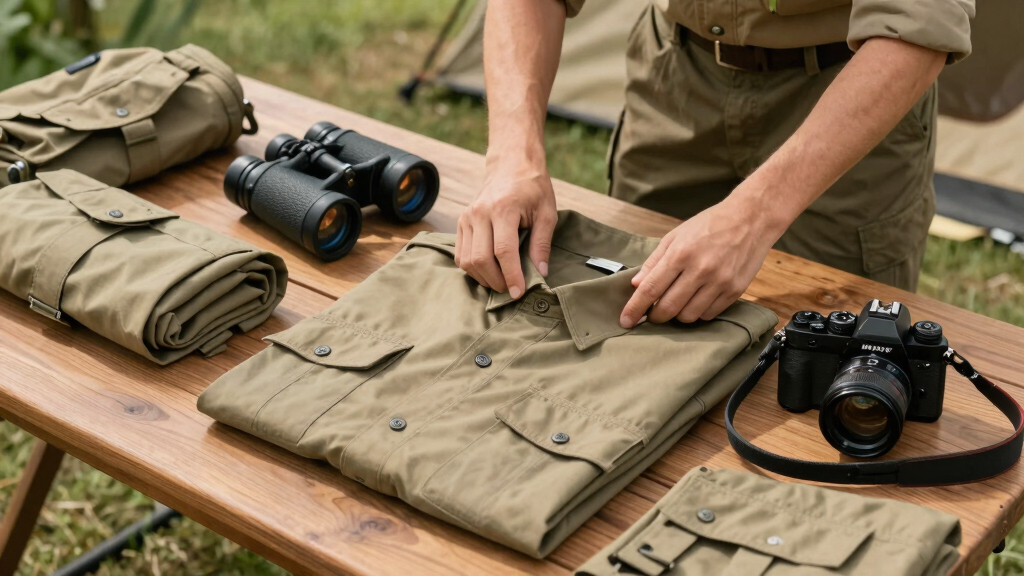
I ranked these products by how well they address common safari conditions, including long periods in open vehicles, exposed walking routes, insects, dust, and strict luggage limits on small aircraft. I gave greater weight to gear that remains useful across several parts of a trip. That is why the GearTOP hat takes first place: portable shade applies on more days and in more settings than the other two products’ narrower functions.
I also examined whether each feature creates a practical outcome. A UPF 50+ rating matters because it adds dependable fabric coverage; nine pockets matter only if the bag remains comfortable and easy to access. The socks’ treatment earns second place because it adds a layer of defense against several pests, but its location below the knee and finite wash life limit its reach.
Finally, I weighed packability, care, fit, and drawbacks. I did not treat water resistance as waterproofing, or insect-treated socks as a substitute for repellent on exposed skin. The resulting order reflects broad usefulness first, specialized protection second, and compact convenience third.
Factors to Consider When Choosing Best Safari Travel Gear
I would choose safari gear by matching it to the itinerary’s biggest exposure rather than buying the product with the longest feature list. Open vehicles favor sun coverage, walking routes raise insect concerns, and frequent lodge transfers reward a small organized bag. The three picks answer different needs, so the best choice depends on what the rest of the packing list already covers.
Start With the Safari Format
For a classic vehicle-based safari, I give priority to shade and wind stability. The GearTOP hat’s drawstring and structured brim fit that job better than the socks or sling. A walking safari changes the calculation: ankle-level insect protection becomes more useful, especially when paired with long trousers and other destination-appropriate precautions. Travelers moving through cities, lodges, and airports may get more daily use from the WATERFLY bag.
Match Capacity to the Equipment
A 6-liter sling is intentionally small. I would map out the exact load before choosing the WATERFLY: phone, documents, compact binoculars, and a power bank may fit, but bulky layers or a large camera kit probably will not. Safari aircraft can impose tight luggage rules, yet buying too small creates its own problem. For photographic equipment, I would favor a padded camera-specific bag over this lightly structured sling.
Treat Weather Claims Carefully
Water-resistant and water-repellent do not mean waterproof. The WATERFLY fabric and GearTOP nylon should cope better with light moisture than untreated absorbent materials, but neither product lists sealed construction for heavy rain. I would still protect electronics and documents inside a dry pouch. For heat, the hat’s mesh vents help with airflow, although nylon may remain warmer than an open-weave alternative.
Build Layered Sun and Insect Protection
I treat each protective item as one layer in a broader plan. A UPF-rated hat does not cover every angle, and treated socks cover only the feet and lower ankles. Sunscreen, suitable clothing, footwear, and destination guidance remain relevant. The Insect Shield treatment lasts up to 70 washes, so I would track laundering and follow the product label. Coverage matters more than a single headline rating.
Frequently Asked Questions
Which of these safari travel products should I buy first?
I would buy the GearTOP Safari Hat first for most itineraries because it addresses frequent sun exposure during drives, walks, and outdoor meals. The socks move ahead only when the route has a strong insect component, while the WATERFLY sling makes more sense if small-item organization is the missing need in an otherwise complete packing setup.
Is the WATERFLY sling large enough for binoculars and a camera?
The 6-liter capacity can suit compact binoculars and a small point-and-shoot camera, depending on their cases and the other contents. I would not choose it for a large interchangeable-lens system, long lens, or multiple padded accessories. Those items need more space and dedicated impact protection than this slim organizer provides.
Does a UPF 50+ safari hat remove the need for sunscreen?
No. I view the UPF 50+ fabric as added coverage, not a replacement for sunscreen or other protective clothing. Brim shade changes with the sun’s angle and head position, leaving parts of the face, neck, and shoulders exposed. The hat’s broad utility earns first place, but its coverage still has boundaries.
Do permethrin-treated socks replace normal insect repellent?
I would not rely on the socks alone. Their treatment covers the sock fabric, while hands, arms, neck, and other exposed areas remain outside that barrier. They work best as one part of a destination-appropriate insect strategy. I would follow the product label and local health guidance rather than assume ankle protection covers the whole body.
Can these products handle safari rain and dust?
The hat and sling have light-moisture resistance, but neither is described as fully waterproof or dust-sealed. I would use an internal pouch for sensitive gear and clean dust according to each care label. The socks are machine washable, and the hat lists the same care method, while the insect treatment has a finite wash rating.
Conclusion
For most first-time safari travelers, my recommendation is the GearTOP Safari Hat because sun coverage has the broadest use across a trip. I would choose the Insect Shield socks for walking routes, wetter seasons, or travelers especially concerned about ankle-level bites. The WATERFLY sling is the better match for minimalists who want documents and small accessories close at hand. Each solves a different problem, but the ranking stays clear: broad daily protection comes before specialized defense and carrying convenience.
Halloween Picks
halloween
As an affiliate, we earn on qualifying purchases.