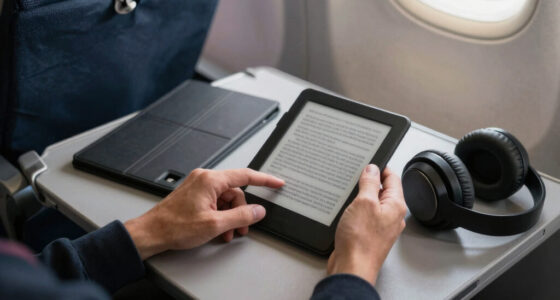
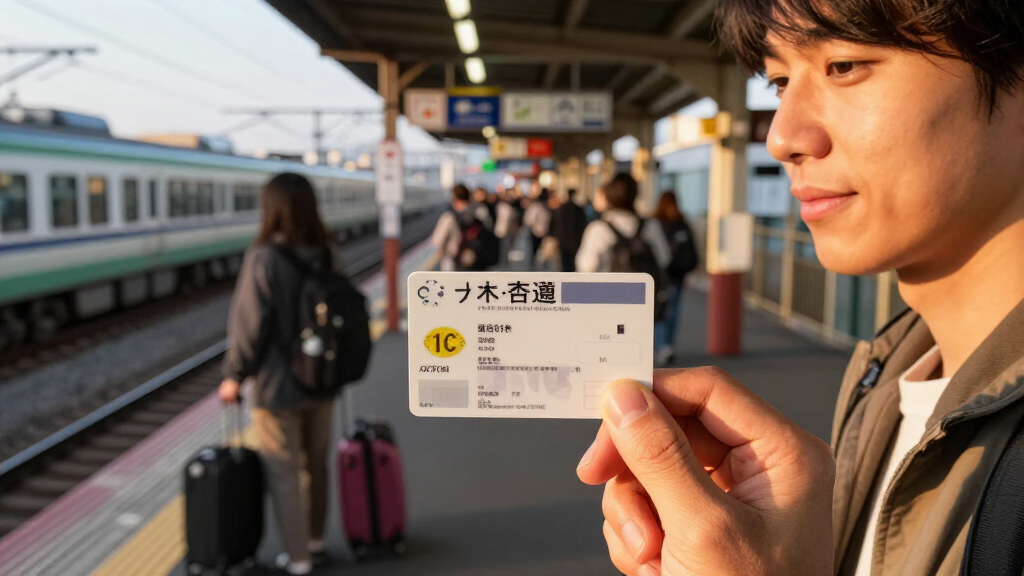

Choosing the best Japan transit IC card can significantly streamline your travel experience, offering seamless access to trains, subways, and buses across the country. The Suica card often stands out as the most versatile and widely accepted option, especially for visitors unfamiliar with local ticketing systems. Alternatives like the PASMO card provide similar convenience with slight differences in coverage and usability, while premium options such as multi-issuer cards can offer added benefits for frequent travelers. The main tradeoffs usually involve balance between cost, coverage, and ease of recharge. Keep reading for a detailed breakdown of the top choices to match your specific travel needs.

Get travel and outdoor gear delivered free with Prime
- Fast, free delivery on millions of items
- Prime Video, Amazon Music and more included
- Member-only deals all year
Complete the kit


Key Takeaways
- Suica continues to be the most universally accepted IC card, making it ideal for first-time visitors seeking simplicity.
- PASMO offers comparable coverage but is slightly more tailored for travelers in Tokyo and surrounding areas.
- Cards like Rinkai Line Suica with unique designs appeal to collectors or those visiting specific regions like Odaiba.
- Rechargeability and compatibility with mobile payment apps can enhance convenience but vary between cards.
- Choosing a card depends on travel frequency, regions visited, and whether you prioritize convenience or cost savings.
| Japanese Public Transportation for First-Time Visitors: A Practical Guide to Trains, Subways, Shinkansen, Buses, and IC Cards |  | Best for Beginners Seeking Practical Guidance | Coverage: Trains, subways, buses, Shinkansen | Intended Audience: First-time visitors | Content Focus: Practical tips, transportation overview | VIEW LATEST PRICE | See Our Full Breakdown |
| Suica Transportation IC Card with Apple Pay Compatibility |  | Best for Tech-Savvy Travelers Who Value Privacy | Type: Transportation IC Card | Compatibility: Apple Pay, JR East, PASMO, ICOCA | Features: Anonymous charge, immediate use, registration possible | VIEW LATEST PRICE | See Our Full Breakdown |
| Japan Train Travel Guide 2026: Practical Tips for Shinkansen Routes, JR Pass Options, and IC Cards for First-Time Visitors |  | Best for Train Enthusiasts and First-Time Visitors Focused on Rail Travel | Coverage: Shinkansen, JR Pass, train routes | Intended Audience: First-time train travelers | Content Focus: Travel tips, train navigation | VIEW LATEST PRICE | See Our Full Breakdown |
| Rinkai Line Suica IC Card for Japan Travel – Rechargeable Smart Card with Dolphin Design (Odaiba & Tokyo Area) |  | Best for Regional Travel in Tokyo and Odaiba | Design: Dolphin | Region: Odaiba & Tokyo Area | Rechargeable: Yes | VIEW LATEST PRICE | See Our Full Breakdown |
| PASMO IC Card for Japan Travel – Rechargeable Transit & Shopping Card |  | Best for Shopping and Transit Convenience | Type: Rechargeable transit and shopping card | Acceptance: Most Japanese transit systems, retail outlets | Features: Contactless payment, rechargeable | VIEW LATEST PRICE | See Our Full Breakdown |
| How to Ride Trains in Japan: Tickets, IC Cards, the Shinkansen, and the Unwritten Rules |  | Best for Cultural Context and Navigational Guidance | Content Type: Informational guide | Target Audience: First-time visitors | Coverage: Tickets, etiquette, train rules | VIEW LATEST PRICE | See Our Full Breakdown |
| Japan Suica & IC Card Guide 2026: How to Use Trains, Subways, Buses, and Cashless Payment in Japan for First-Time Visitors |  | Best for Practical Transit Navigation and Cashless Payments | Content Type: Practical guide | Target Audience: First-time travelers | Coverage: Trains, buses, subways, payments | VIEW LATEST PRICE | See Our Full Breakdown |
| Japan transit IC card | Coverage |
|---|---|
| Japanese Public Transportation | Trains, subways, buses, Shinkansen |
| Suica Transportation IC Card w | — |
| Japan Train Travel Guide 2026: | Shinkansen, JR Pass, train routes |
| Rinkai Line Suica IC Card for | — |
| PASMO IC Card for Japan Travel | — |
| How to Ride Trains in Japan: T | Tickets, etiquette, train rules |
| Japan Suica & IC Card Guide 20 | Trains, buses, subways, payments |
More Details on Our Top Picks
Japanese Public Transportation for First-Time Visitors: A Practical Guide to Trains, Subways, Shinkansen, Buses, and IC Cards
This guide stands out for providing a broad overview of Japan’s public transportation landscape, especially useful for first-time visitors. Unlike other resources like the Japan Suica & IC Card Guide 2026, it focuses on practical tips rather than specific product features. While comprehensive, it lacks detailed specs or pricing, making it less ideal for those seeking technical insights. It’s perfect for travelers who need a solid starting point to understand how to navigate trains, buses, and IC cards without overwhelming details.
Pros:- Provides a comprehensive overview for first-timers
- Covers multiple transportation modes in Japan
- Includes practical tips for using IC cards and tickets
Cons:- Lacks detailed specifications or pricing info
- No updates or recent user reviews included
Best for: First-time travelers to Japan who want a practical, broad overview of public transportation and IC card use
Not ideal for: Experienced travelers or those looking for detailed technical specs or updated fare information
- Coverage:Trains, subways, buses, Shinkansen
- Intended Audience:First-time visitors
- Content Focus:Practical tips, transportation overview
Our verdict“Best suited for newcomers who need a straightforward guide to navigating Japan’s transit system without technical overload.”
Suica Transportation IC Card with Apple Pay Compatibility
This Suica card excels for users wanting quick, anonymous access to Japan’s transit system, especially those who prefer contactless convenience via Apple Pay. Compared to the Rinkai Line Suica IC Card, it offers broader compatibility across JR East, PASMO, ICOCA, and more, making it ideal for multi-region travel. However, it’s limited strictly to transportation use and depends on a compatible device, which could be a barrier for some travelers. Its privacy features and seamless integration make it a top choice for tech-focused users who prioritize simplicity and privacy.
Pros:- Supports anonymous charging for privacy
- Works immediately without registration
- Compatible with multiple transportation systems
Cons:- Limited to transportation use only
- Requires a compatible device for Apple Pay
Best for: Travelers who want a quick, anonymous transit card integrated with Apple Pay and extensive system compatibility
Not ideal for: Visitors without Apple devices or those seeking added features like shopping or discounts
- Type:Transportation IC Card
- Compatibility:Apple Pay, JR East, PASMO, ICOCA
- Features:Anonymous charge, immediate use, registration possible
Our verdict“Ideal for tech-savvy users who prioritize quick access, privacy, and broad system compatibility in Japan.”
Japan Train Travel Guide 2026: Practical Tips for Shinkansen Routes, JR Pass Options, and IC Cards for First-Time Visitors
This guide makes the list for its detailed coverage of Shinkansen routes, JR Pass options, and IC card usage, offering useful insights for travelers planning train-centric itineraries. Unlike more general guides like Japanese Public Transportation for First-Time Visitors, it dives deeper into train specifics, making it valuable for those who want to optimize their rail travel experience. Its main limitation is the absence of detailed updates or features about IC cards beyond train tips, which may matter for tech-oriented travelers seeking the latest info.
Pros:- Provides detailed train routes and JR Pass info
- Great for first-timers planning long-distance travel
- Includes practical travel tips for smooth journeys
Cons:- Limited focus outside train travel
- No specific features or recent updates listed
Best for: Travelers focusing on train travel, especially those considering JR Passes and high-speed routes for their trip
Not ideal for: Visitors primarily interested in buses, subways, or regional transit outside train travel
- Coverage:Shinkansen, JR Pass, train routes
- Intended Audience:First-time train travelers
- Content Focus:Travel tips, train navigation
Our verdict“Perfect for train-focused travelers who want detailed route information and JR Pass guidance for first visits.”
Rinkai Line Suica IC Card for Japan Travel – Rechargeable Smart Card with Dolphin Design (Odaiba & Tokyo Area)
This Rinkai Line Suica card appeals for its regional focus and playful dolphin design, making it ideal for frequent travelers within the Tokyo area. It’s a practical choice compared to broader cards like Suica with Apple Pay because it’s specifically tailored for Odaiba and nearby districts. Its rechargeability and contactless features are standard, but it’s limited geographically, which might restrict those planning wider trips outside Tokyo. The fun dolphin design offers a charming touch that appeals to families and casual tourists.
Pros:- Rechargeable for multiple trips
- Regional focus with convenience in Tokyo/Odaiba
- Fun dolphin design adds personality
Cons:- Limited to specific regions
- No extra features like discounts or bonuses
Best for: Travelers spending significant time in Odaiba and nearby Tokyo districts who want regional convenience
Not ideal for: Long-term visitors or those traveling across multiple regions who need a wider coverage card
- Design:Dolphin
- Region:Odaiba & Tokyo Area
- Rechargeable:Yes
Our verdict“A smart choice for regional travelers in Tokyo and Odaiba seeking a fun, reliable contactless card.”
PASMO IC Card for Japan Travel – Rechargeable Transit & Shopping Card
The PASMO card makes the list for its versatility across transit and retail, offering a seamless experience for long-term users who want one card for both transportation and shopping. Compared with the Suica options, PASMO’s widespread acceptance in Tokyo and other cities makes it a reliable choice for urban travelers. Its main drawback is the lack of detailed specs or extra features like discounts, which could be important for budget-conscious travelers. Still, its convenience and broad acceptance make it a strong contender for everyday use in Japan.
Pros:- Rechargeable for ongoing use
- Widely accepted for transit and shopping
- Contactless payment for convenience
Cons:- Limited detailed features or benefits
- Requires initial deposit or purchase
Best for: Long-term visitors or residents who want a versatile card for transit and shopping across Japan
Not ideal for: First-time tourists who need a simple, straightforward transit-only card without shopping features
- Type:Rechargeable transit and shopping card
- Acceptance:Most Japanese transit systems, retail outlets
- Features:Contactless payment, rechargeable
Our verdict“Ideal for travelers seeking a versatile, rechargeable card for both transit and retail in Japan’s cities.”
How to Ride Trains in Japan: Tickets, IC Cards, the Shinkansen, and the Unwritten Rules
This guide stands out for its comprehensive approach to train travel in Japan, especially for first-time visitors who want to understand both the practical and cultural aspects of riding the train system. Compared with the Japan Suica & IC Card Guide 2026, it offers deeper insights into etiquette and ticketing strategies, making it ideal for travelers seeking a more holistic overview. However, it lacks specific product features or hands-on instructions for using IC cards directly, limiting its usefulness as a quick reference for transaction details. This makes it better suited for travelers who prioritize cultural understanding over immediate transaction tips.
While not a physical product, its focus on unwritten rules complements the more straightforward, practical guidance offered by the Japan Suica & IC Card Guide 2026. It’s a valuable resource for those new to Japan’s train etiquette and looking for contextual knowledge, but less so for users needing step-by-step card usage instructions.
Pros:- Provides deep cultural context and etiquette tips
- Covers ticketing options and train navigation strategies
- Excellent resource for understanding Japan’s train system beyond just usage
Cons:- Limited focus on actual IC card usage or technical details
- No specific product features or step-by-step instructions
Best for: First-time travelers wanting to understand train etiquette and cultural nuances
Not ideal for: Visitors seeking quick, practical instructions on how to use IC cards for transactions
- Content Type:Informational guide
- Target Audience:First-time visitors
- Coverage:Tickets, etiquette, train rules
- Format:Printed or digital guide
- Language:English
- Focus:Cultural and operational guidance
Our verdict“This guide is ideal for travelers wanting to grasp Japan’s train culture and etiquette, but less suited for those needing practical IC card operation tips.”
Japan Suica & IC Card Guide 2026: How to Use Trains, Subways, Buses, and Cashless Payment in Japan for First-Time Visitors
This guide makes the most sense for travelers seeking straightforward instructions on how to use Suica and other IC cards across Japan’s transit system. It offers clear, step-by-step guidance on purchasing, recharging, and using IC cards on trains, subways, and buses, making it a practical resource compared to the more general train etiquette coverage of the How to Ride Trains guide. However, it doesn’t delve into cultural nuances or the broader context of train travel, which could leave some travelers without a full picture of Japan’s transit system. Its focus on practical usage makes it perfect for those who want quick, actionable tips for cashless transit.
While it lacks detailed product specifications or user reviews, its comprehensive approach to IC card usage and cashless payment is essential for first-time visitors who want efficiency and ease of use, especially if they plan to rely heavily on public transportation.
Pros:- Clear, step-by-step instructions for using IC cards
- Covers multiple transit options including buses and subways
- Helpful for quick setup and efficient travel in Japan
Cons:- Lacks detailed specifications or technical data
- No user reviews or ratings included
- Does not cover cultural aspects or train etiquette
Best for: First-time visitors who need simple, clear instructions for using IC cards and cashless payments
Not ideal for: Experienced travelers or those seeking cultural or etiquette insights
- Content Type:Practical guide
- Target Audience:First-time travelers
- Coverage:Trains, buses, subways, payments
- Format:Digital and print
- Language:English
- Focus:Operational instructions
Our verdict“This guide is perfect for travelers who want straightforward, practical instructions for using IC cards and cashless payments efficiently in Japan.”
How We Picked
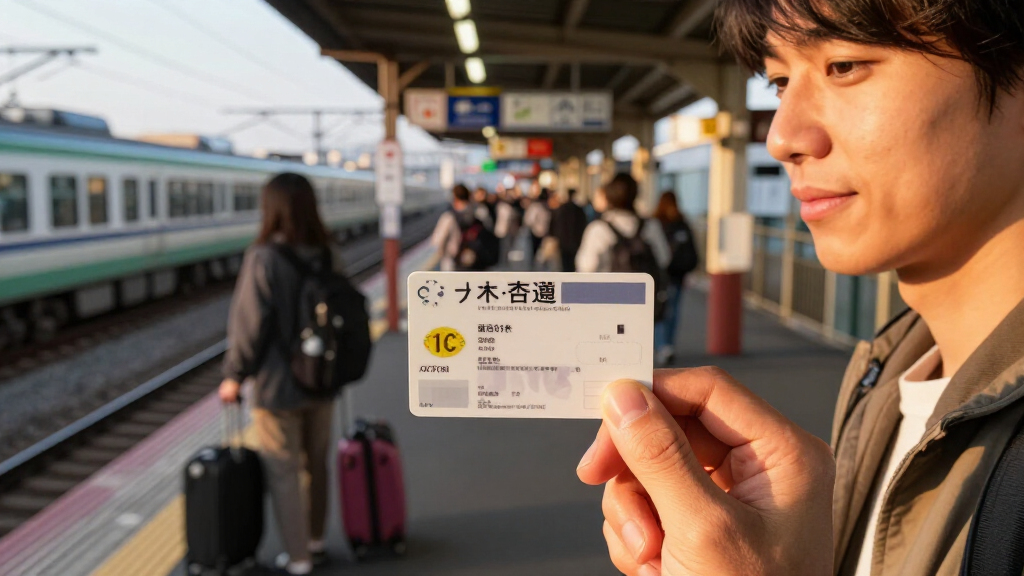
Our evaluation focused on the cards’ coverage across Japan’s transportation network, ease of use, compatibility with mobile payment systems, and rechargeability. We also considered the availability of regional and special edition designs, as well as the value offered through discounts or bundled services. The ranking reflects a balance between overall usability for first-time visitors and seasoned travelers, prioritizing cards that are widely accepted, easy to reload, and compatible with digital wallets. Cards with regional restrictions or limited acceptance were rated lower, while those offering broad coverage and added features earned higher spots.| Japan transit IC card | Coverage |
|---|---|
| Japanese Public Transportation | Trains, subways, buses, Shinkansen |
| Suica Transportation IC Card w | — |
| Japan Train Travel Guide 2026: | Shinkansen, JR Pass, train routes |
| Rinkai Line Suica IC Card for | — |
| PASMO IC Card for Japan Travel | — |
| How to Ride Trains in Japan: T | Tickets, etiquette, train rules |
| Japan Suica & IC Card Guide 20 | Trains, buses, subways, payments |
Factors to Consider When Choosing Best Japan Transit IC Cards
When selecting the best Japan transit IC card, several factors come into play that can influence your overall travel experience. Understanding these considerations helps you avoid common pitfalls and choose a card tailored to your travel style and needs. From coverage and compatibility to cost and regional restrictions, weighing these factors ensures you pick the most convenient option for your trip.Coverage and Acceptance
One of the most important factors is how widely a card is accepted across Japan’s public transportation network. Suica and PASMO are the most versatile, functioning in major cities like Tokyo, Osaka, and Kyoto, and on regional rail lines. Cards with limited regional acceptance may save money initially but could cause inconvenience if you travel outside their zones. Consider your itinerary and choose a card that offers the broadest coverage for your destinations.
Rechargeability and Ease of Use
A good IC card should be easy to recharge, preferably via compatible mobile apps or at multiple points like train stations, convenience stores, and ticket machines. Some cards, like Suica, integrate smoothly with digital wallets such as Apple Pay, simplifying payments and reducing the need for cash or physical cards. Avoid cards that have complicated reload procedures or limited recharge options, especially if you plan to travel over several days or weeks.
Compatibility with Mobile Payments
Integrating your IC card with mobile payment options can save time and reduce clutter. Many cards now support smartphone wallets, allowing you to tap and pay without carrying a physical card. This is particularly useful if you already use Apple Pay or Google Pay. However, verify compatibility before purchasing, as not all cards support mobile wallet integration or regional digital payment systems.
Cost and Value
Most IC cards require a small initial deposit (around 500 yen), with additional balance needed for travel. Some cards offer discounts or special deals when used on specific routes or services—like the JR East network with Suica. Weigh the upfront costs against the coverage and added benefits to ensure you’re getting value for your money, especially if you plan multiple trips or extended stays.
Design and Regional Special Editions
While not affecting functionality, the design of your IC card can enhance your travel experience. Many regions offer themed or collectible cards, which can serve as souvenirs. If you’re visiting specific areas like Odaiba or Kyoto, regional editions like the Rinkai Line Suica or Kyoto-specific PASMO might add a fun personal touch. However, do confirm regional acceptance if you plan to travel widely across Japan.
Frequently Asked Questions
Can I use the same IC card across different regions in Japan?
Yes, most major IC cards like Suica and PASMO are interoperable across many regions, including Tokyo, Osaka, and others. They can be used on trains, buses, and even some stores. However, regional cards might have limited acceptance outside their primary zones, so if you plan to travel extensively, a widely accepted card like Suica is usually the best choice to avoid inconvenience.
Is it worth getting a regional or special edition IC card?
Regional or themed IC cards can be enjoyable souvenirs and sometimes include added benefits like discounts at local attractions. However, their acceptance might be limited outside specific areas, which could restrict your travel flexibility. If your priority is maximum usability, sticking with a widely accepted card like Suica or PASMO offers more convenience for cross-region travel.
Can I use mobile payment options instead of a physical IC card?
Many of the major IC cards now support mobile wallet integration, such as Apple Pay or Google Pay, which allows for seamless tap-and-pay using your smartphone. This can be more convenient, especially if you prefer to carry fewer items. Make sure your device and card support the same digital wallet options before relying solely on your phone for transit payments.
Are there any fees for reloading or using IC cards?
Typically, there is a small deposit (around 500 yen) when you purchase an IC card, which is refundable when you return the card. Reloading the card with additional funds is usually free at train stations, convenience stores, or via mobile apps. Some cards may charge minor fees for certain services or transactions, but generally, reloading is straightforward and cost-effective.
What should I do if my IC card gets lost or stolen?
Most IC cards can be linked to an account or registered with the issuing company, allowing you to recover your balance if lost or stolen. If your card supports mobile wallet integration, you may be able to suspend or transfer your balance easily. It’s advisable to check the specific card’s policies and consider registering your card if available, to prevent loss of funds and simplify recovery.
Conclusion
For first-time travelers or those seeking maximum convenience across Japan, the Suica card offers the best overall experience with wide acceptance and easy recharge options. Budget-conscious travelers might prefer the PASMO for its comparable coverage without extra costs. Frequent travelers or regional explorers could benefit from specialized or regional cards like the Rinkai Line Suica, especially if they’re visiting specific areas like Odaiba. Beginners will find digital wallet compatibility a major plus, while seasoned travelers should prioritize cards with extensive coverage and value-added features. Ultimately, your choice depends on your travel plans and priorities, but these options cover all the bases.Halloween Picks
halloween
As an affiliate, we earn on qualifying purchases.