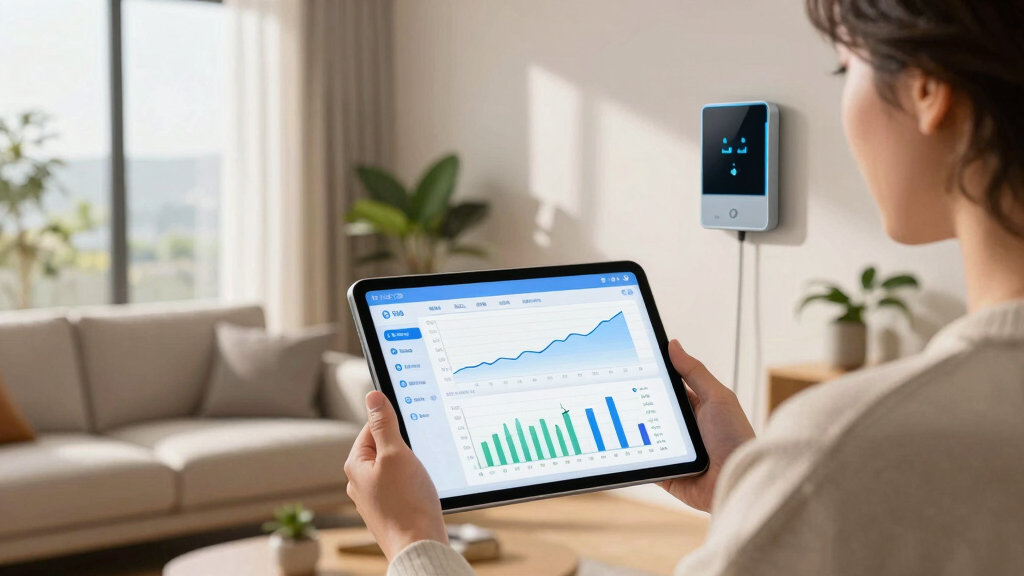

Finding the best home energy monitor systems for whole house tracking means balancing accuracy, ease of installation, and compatibility. The Emporia Vue 3 stands out for its comprehensive real-time data and solar integration, making it ideal for detailed monitoring. The SIEMENS Inhab offers professional-grade circuit sensing for precise measurements, but at a higher cost. Meanwhile, the Eyedro Home Energy Monitor provides robust reporting features suitable for homeowners tracking energy trends over time. Tradeoffs often include installation complexity versus detailed insights, so continue reading for a complete breakdown to find the best fit for your home.

Get travel and outdoor gear delivered free with Prime
- Fast, free delivery on millions of items
- Prime Video, Amazon Music and more included
- Member-only deals all year
Key Takeaways
- The top monitors excel in either ease of installation or detailed circuit-level data, but rarely both.
- Compatibility with smart home platforms like Home Assistant or Alexa can be a deciding factor for tech-savvy users.
- Monitoring solar and net metering features are essential for homes with renewable energy setups.
- Entry-level options tend to focus on plug-in measurements, while professional-grade systems offer circuit-level sensing.
- Price varies widely, with more comprehensive systems demanding a higher investment, but offering greater accuracy and control.


More Details on Our Top Picks
Kasa Smart Plug, Matter Compatible, Energy Monitoring, Compact Design, 15A/1800W Max, Super Easy Setup, Works with Apple Home, Alexa & Google Home, UL Certified, 2.4G Wi-Fi Only, White, KP125M(2-Pack)
This Kasa Smart Plug stands out for its straightforward setup and Matter compatibility, making it an excellent choice for users wanting to monitor individual outlet energy consumption without complexity. Compared with the Eyedro Home Energy Monitor, this plug offers easier installation but only tracks specific devices rather than whole-house data. Its compact design prevents outlet blocking, ideal for dense outlets or multiple devices. However, it lacks detailed circuit-level insights and cannot replace dedicated whole-house monitors. This makes it better suited for tech-savvy homeowners seeking quick, device-specific energy awareness rather than comprehensive system analysis.
Pros:- Simple, quick setup with Matter ecosystem compatibility
- Compact design prevents outlet blocking and fits easily in any socket
- Works seamlessly with Apple Home, Alexa, Google Assistant
Cons:- Limited to device-specific monitoring, not whole-house data
- No detailed circuit or load-level insights
Best for: Homeowners wanting easy-to-install, device-level energy insights integrated with smart home voice control.
Not ideal for: Those seeking detailed circuit-level data or whole-house energy monitoring for billing or large-scale analysis.
- Max Load:15A/1800W
- Compatibility:Matter, Apple Home, Alexa, Google
- Wi-Fi:2.4G
- Design:Compact, UL Certified
- Monitoring:Energy usage over time
- Setup:Super easy
Bottom line: Great for users seeking quick, app-based energy monitoring of individual devices within a smart home ecosystem.
Kasa Matter Smart Plug w/ Energy Monitoring, Compact Design, 15A/1800W Max, Super Easy Setup, Works with Apple Home, Alexa & Google Home, UL Certified, 2.4G Wi-Fi Only, White, KP125M (4-Pack)
This 4-pack of Kasa Matter Smart Plugs extends device-level energy tracking across multiple outlets at a competitive price, ideal for households with many smart devices. While it shares the same core features as the single-unit Kasa Plug, the bulk offering makes it a cost-effective way to monitor several devices simultaneously. Like the Eyedro, it integrates into Matter ecosystems, but unlike the Eyedro’s dedicated whole-house system, these plugs focus on individual outlets. For users who want to expand their device monitoring without complex wiring or extensive setup, this pack offers excellent value, but it isn’t designed for comprehensive whole-house or circuit-level insights.
Pros:- Cost-effective multi-pack for broad device coverage
- Easy setup with Matter compatibility for smart home ecosystems
- Compact, UL-certified design prevents outlet blocking
Cons:- Limited to device-specific monitoring, no system-wide data
- Does not provide circuit or load-level insights
Best for: Families or small offices wanting multiple device monitors with seamless smart home integration at a budget-friendly price.
Not ideal for: Those needing detailed circuit or whole-house power consumption data for billing or energy optimization.
- Max Load:15A/1800W
- Compatibility:Matter, Apple Home, Alexa, Google
- Wi-Fi:2.4G
- Design:Compact, UL Certified
- Monitoring:Energy usage per outlet
- Package:4 units
Bottom line: Ideal for expanding device-level energy awareness across multiple outlets in a smart home setting without high complexity or cost.
Eyedro Home Energy Monitor – Real-Time Electricity Usage Monitor with Solar Net Metering-Whole House Power Consumption Monitor–WiFi/Ethernet Smart Energy Meter with Reports & History, 2 Sensors
The Eyedro Home Energy Monitor excels in providing reliable, real-time whole-house power consumption data, suitable for solar net metering and detailed reporting. Its dual-sensor setup offers precise measurement across circuits or the entire home, comparable to the Emporia Vue 3, but with a focus on accuracy and historical data. The inclusion of Ethernet connectivity alongside WiFi offers flexibility, making it a solid choice for off-grid or solar users needing detailed cost analysis. While setup is straightforward, it involves sensor installation at the main panel, which can be more involved than plug-in options. This system is ideal for energy-conscious homeowners or organizations requiring dependable, long-term data for billing or efficiency improvements.
Pros:- High accuracy with two sensors for comprehensive coverage
- Supports solar net metering and detailed historical reports
- Flexible Ethernet/WiFi connectivity for stable data transmission
Cons:- More involved installation at the main panel
- Higher cost compared to plug-in smart outlets
Best for: Homeowners and solar users needing accurate, detailed, and reliable whole-house energy data with comprehensive reporting.
Not ideal for: Users seeking simple plug-and-play solutions or those with limited technical experience for installation.
- Sensors:2 x 200A sensors
- Connectivity:WiFi and Ethernet
- Monitoring Scope:Whole house, solar, net metering
- Reports:Reports & history via cloud
- Standards:UL, North American safety
- Installation:Main panel sensors
Bottom line: Best suited for users demanding precise, long-term whole-house energy data, especially with solar integration needs.
SIEMENS Inhab Smart Home Energy Monitor with 16-50Amp Circuit Level Sensors and 2-200Amp Main Sensors for Real Time Electricity Monitoring and Metering
The SIEMENS Inhab Smart Home Energy Monitor offers a professional-level solution with circuit-level sensors that provide detailed real-time data for up to 16 circuits, surpassing many consumer options like the Emporia Vue 3. Its installation at the panel level allows for granular insights into individual loads, ideal for energy management, demand response, or complex system optimization. Unlike the simpler plug-in or sensor-based systems, Inhab’s advanced features like load shedding and peak demand management cater to users with specific energy goals or smart grid integration. The main tradeoff is the higher complexity and cost, making it less suitable for typical DIY homeowners but perfect for contractors or energy managers needing detailed, circuit-specific data.
Pros:- Circuit-level sensors provide granular data
- Supports advanced energy management features like load shedding
- Professional-grade, UL-listed, and CE marked for safety
Cons:- Complex installation requiring electrical expertise
- Higher upfront cost and setup time
Best for: Professional installers, energy managers, or advanced users needing detailed circuit-level monitoring and control.
Not ideal for: Casual homeowners or renters seeking simple, plug-and-play energy tracking without extensive wiring.
- Sensors:16-50A circuit sensors, 2-200A main sensors
- Monitoring:Circuit and whole house
- Features:Load shedding, demand management
- Standards:UL, CE
- Installation:Electrical panel, professional recommended
- Connectivity:Not specified
Bottom line: Perfect for advanced users or professionals seeking detailed circuit-level data and smart energy management features.
Emporia Vue 3 Home Energy Monitor – Smart Home Automation Module and Real Time Electricity Usage Monitor, Power Consumption Meter, Solar and Net Metering for UL Certified Safe Energy Monitoring
The Emporia Vue 3 stands out for its UL certification and versatile features, including solar and net metering support, making it a strong choice for safety-conscious homeowners wanting detailed real-time data. Its clamp-on sensors are easy to install at the panel, similar to the Eyedro, but with enhanced automation options via the app for managing peak demand, time-of-use, and solar integration. Unlike the Eyedro, which emphasizes long-term reporting, Emporia emphasizes user-friendly automation and cost savings. The primary tradeoff involves limited data retention for short-term data, and the need for WiFi connectivity, which could be less reliable in some cases. This makes it ideal for consumers seeking reliable, automated energy management with safety assurances.
Pros:- UL certified for safety and reliability
- Supports solar and net metering integration
- Automated energy management features in the app
Cons:- Limited long-term data retention in the cloud
- Requires consistent WiFi connection for full functionality
Best for: Homeowners interested in automation, real-time monitoring, and solar or net metering with safety-certified equipment.
Not ideal for: Users who require extensive circuit-level details or off-grid solutions without WiFi dependency.
- Sensors:Clamp-on, digital
- Compatibility:WiFi, app control
- Monitoring Scope:Whole house, solar, net metering
- Safety:UL Listed
- Features:Demand response, automation
- Installation:Panel clamp-on
Bottom line: Ideal for safety-conscious homeowners seeking reliable, automated whole-house energy monitoring with solar support.
Refoss Smart Home Energy Monitor Real-Time Electricity Usage Monitor with 16x60A Circuit Sensor, Energy Meter, Local Data Storage with Open API & Web UI, Home Assistant, Solar Metering, ETL Certified
This comprehensive system stands out for its extensive circuit coverage, supporting up to 16 branch circuits with 60A sensors and two main sensors up to 200A, making it ideal for detailed whole-home monitoring. Compared with the Meross monitor, it offers more flexibility in system types, including split-phase and three-phase setups, but this added complexity means installation can be more involved. Its local control via Web UI, Open API, and MQTT ensures privacy and seamless integration with Home Assistant, surpassing simpler Wi-Fi-only models. The detailed analytics, peak demand alerts, and solar management features enable households to optimize energy use and reduce costs by up to 20%. However, its setup is more technical, and the lack of a dedicated app for mobile use could be a hurdle for some users. This pick makes the most sense for homeowners seeking a high-capacity, customizable, and privacy-focused energy monitoring solution.
Pros:- Supports multiple system types including split-phase and three-phase
- Offers local control via Web UI, Open API, and MQTT
- Provides detailed analytics and smart alerts for peak usage and solar management
- ETL certified for safety and reliability
Cons:- Installation can be complex and may require electrical expertise
- No dedicated mobile app, relying instead on web-based interface
Best for: Large households or energy-savvy homeowners who want detailed circuit-level data and full local control.
Not ideal for: Renters or users seeking a plug-and-play, simple setup without technical installation.
- Circuit Sensors:16 branch circuits + 2 main sensors
- Current Range:Up to 200A (main), 60A (branch)
- System Compatibility:Single-phase, split-phase, three-phase (excluding delta)
- Connectivity:Web UI, Open API, MQTT
- Data Storage:Local storage with 5-year cloud backup
- Accuracy:±1% at high current, ±2% at low current
Bottom line: This system is best suited for users who need comprehensive, customizable energy monitoring with high circuit capacity and local control.
Meross Smart Energy Consumption Monitor with 18 Circuit Monitoring, Electricity Usage Monitor, Real-Time Power Usage Monitor, Home Assistant Support, Smart Alerts, No Subscriptions, 2-Year Warranty
Compared to the Refoss system, the Meross monitor offers a more straightforward, user-friendly installation process with support for up to 18 circuits, including main and branch circuits, making it ideal for homeowners wanting detailed insight without the complexity. Its compatibility with Home Assistant and support for local data storage prioritize privacy, similar to the Refoss but with a simpler setup. The device’s real-time monitoring, smart alerts, and 5-year data storage help users spot energy hogs and cut costs typically by 10-20%. While it does not support three-phase systems, its reliability and affordability make it appealing for most single- and split-phase homes. A notable tradeoff is that it lacks the advanced solar management features found in the Refoss model, limiting its use for solar-focused households. This monitor suits those seeking dependable, circuit-level data at a compelling price point without extensive technical fuss.
Pros:- Supports up to 18 circuits including main and branch
- Supports local control with Home Assistant and no cloud dependence
- Provides real-time data and customizable alerts
- Includes a 2-year warranty for peace of mind
Cons:- Lacks support for three-phase systems
- Does not include advanced solar management features
Best for: Homeowners wanting reliable, circuit-level energy data with easy installation and strong privacy controls.
Not ideal for: Large or three-phase homes requiring extensive system type support or advanced solar integration.
- Circuit Monitoring:18 circuits (including main and branch)
- Current Range:Up to 50A per circuit
- System Compatibility:Single-phase and split-phase systems
- Connectivity:Home Assistant support, local storage
- Data Storage:5 years
- Accuracy:±2%
Bottom line: This model is ideal for users seeking a dependable, privacy-focused circuit monitor with straightforward setup and good value.
This energy monitor distinguishes itself with its focus on rental properties and shared living spaces, supporting up to 16 circuits with 50A sensors. It’s designed for quick, easy installation with clamp-on sensors, making it accessible for non-technical users. The device excels at real-time data collection and can run without cloud reliance, especially with MQTT support for local networks—a significant advantage for privacy-conscious renters. Its ability to assign costs to individual circuits and support time-of-use tariffs helps landlords and tenants split bills transparently, a feature less common in other models. However, its lower current capacity and lack of advanced automation features mean it might not meet the needs of larger or more energy-intensive homes. This pick makes the most sense for shared living spaces or rental units needing affordable, circuit-specific tracking with privacy options.
Pros:- Supports up to 16 circuits with clamp-on sensors
- Runs offline via LAN with MQTT, ensuring privacy
- Supports circuit-based cost allocation and time-of-use tariffs
- Easy installation suitable for non-technical users
Cons:- Limited to 50A sensors, less suitable for high-power appliances
- Lacks advanced automation or solar management features
Best for: Rental or shared homes needing simple, budget-friendly circuit monitoring and fair billing features.
Not ideal for: Large or high-power homes requiring extensive circuit capacity or integration with advanced solar and automation systems.
- Circuit Sensors:16 sensors, 50A each
- System Compatibility:Up to 415Y/240VAC, no Delta support
- Connectivity:LAN, MQTT, local control
- Data Storage:Customizable with local setup
- Accuracy:Approx. 1%
- Special Features:Circuit-based cost allocation, time-of-use tariffs
Bottom line: This monitor is best for tenants and landlords seeking straightforward, local, privacy-focused circuit tracking and billing management on a budget.
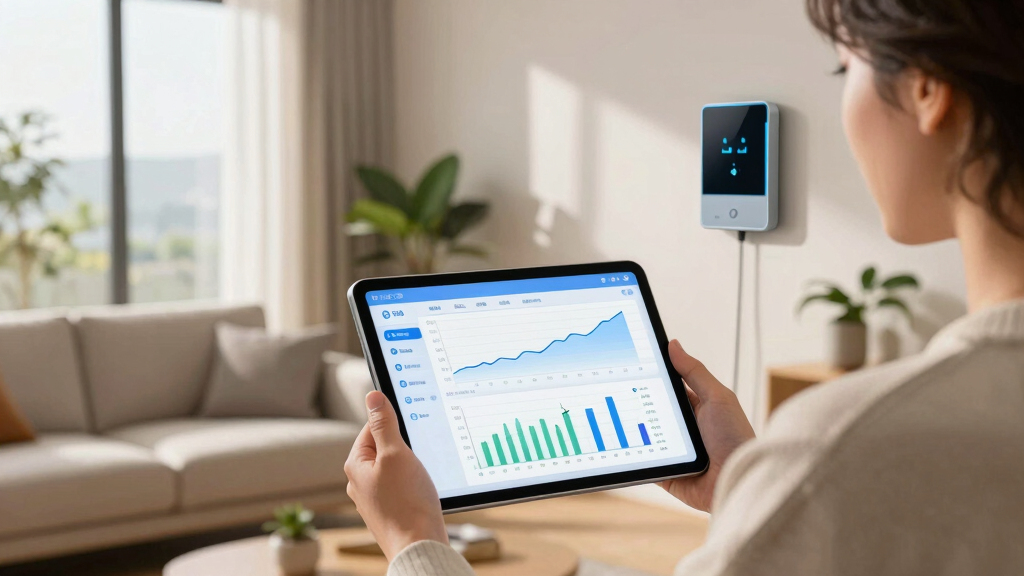
How We Picked
The products were evaluated based on accuracy of measurement, ease of installation, compatibility with smart home ecosystems, data reporting capabilities, and overall value. Priority was given to systems that balance detailed insight with user-friendly setup, especially for whole house tracking. Higher-rated products feature circuit-level sensors for precise measurement, while more affordable options focus on plug-in or main meter monitoring. The ranking reflects a combination of performance, versatility, and the ability to suit different homeowner needs—from DIY enthusiasts to energy professionals.Factors to Consider When Choosing Best Home Energy Monitor Systems For Whole House Tracking
Choosing the best home energy monitor system involves understanding several key factors beyond just features. It’s important to consider your home’s size, existing electrical infrastructure, and whether you want real-time data, historical reports, or integration with other smart devices. The right system should match your technical comfort level and energy goals, whether that’s reducing costs or integrating renewable energy sources. Keep in mind that installation complexity can vary, so assessing your DIY skills versus professional help is crucial.Installation Complexity and Compatibility
Some systems require professional installation involving circuit-level sensors, while others are simple plug-in monitors. Think about your comfort with electrical work—if you prefer a straightforward setup, look for devices with flexible plug-in options. Compatibility with existing smart home platforms like Alexa, Google Home, or Home Assistant adds convenience but may limit your choices or require additional configuration. Balancing ease of installation with desired features is key to long-term satisfaction.
Measurement Precision and Data Granularity
Higher precision comes from circuit-level sensors that measure individual circuits, offering detailed insights into which appliances consume most energy. This is ideal for users wanting to optimize energy use or troubleshoot specific issues. Conversely, main meter monitors provide a broad overview but less detail. Consider your goals—if you need precise data for solar integration or cost analysis, investing in more detailed sensors makes sense.
Smart Home Integration
If you already have a smart home ecosystem, selecting a system compatible with your platforms ensures seamless operation. Devices that work with popular voice assistants or Home Automation hubs can automate energy management tasks, like turning off unused circuits. However, ensure the integration supports your preferred apps and routines, and be aware that some systems may require additional hubs or adapters for full functionality.
Cost and Long-Term Value
Pricing can range from affordable plug-in monitors to costly professional-grade systems. Cheaper options may lack circuit-level data but serve well for basic monitoring. Higher-end systems offer detailed insights and automation features, justifying their cost if energy savings or detailed analysis matter to you. Consider your budget and whether the added features align with your energy goals to avoid overpaying for unnecessary capabilities.
Data Accessibility and Reporting
Look for systems that provide clear, accessible reports—whether via mobile apps, web dashboards, or integration with other platforms. Historical data helps track trends over time, which is valuable for identifying patterns or assessing the impact of energy-saving measures. Open APIs and local data storage options can also be important if you prefer data privacy or custom analysis. Prioritize these features based on how you plan to use the information.
Frequently Asked Questions
Can I install a whole house energy monitor myself?
Many plug-in or main meter monitors are designed for DIY installation and come with straightforward instructions. However, systems that involve circuit-level sensors typically require electrical knowledge and possibly professional installation to ensure safety and accuracy. If you’re comfortable working with electrical components and follow safety precautions, some higher-end models can be set up yourself. For complex setups, hiring a licensed electrician can save time and prevent errors.
Will a home energy monitor help me reduce my electricity bill?
Yes, a good energy monitor provides real-time and historical data that can reveal inefficient appliances or usage patterns. By identifying high-consuming devices, you can adjust your habits or schedule to save money. However, the effectiveness depends on how actively you use the information. Systems with automation features or detailed circuit data tend to offer more actionable insights, leading to better cost savings over time.
Are smart home-compatible energy monitors more expensive?
Generally, systems with smart home integration capabilities come at a higher price point due to added features and connectivity options. These monitors can automate energy management and integrate with voice assistants, providing added convenience. While more costly upfront, they can offer ongoing savings through automation and better control. Weighing the value of automation against your budget can help determine if these premium features are worth it.
Which energy monitor is best for solar-powered homes?
Monitors with solar and net metering support, like the Emporia Vue 3 or Eyedro, are ideal for homes with solar panels. They track solar production, energy consumption, and net flow, giving a complete picture of your energy footprint. Paying attention to compatibility with your solar inverter and whether the system can handle bidirectional flow is essential. These options enable you to optimize solar use and maximize savings.
How important is data privacy for home energy monitors?
Data privacy varies among systems, especially those that upload information to cloud servers. If privacy is a concern, look for monitors that offer local data storage, open APIs, or on-device analysis. Some professional or open-source options also provide greater control over your data. Carefully review the system’s privacy policies and features to ensure your energy data isn’t vulnerable to breaches or unwanted sharing.
Conclusion
For most homeowners, the Emporia Vue 3 emerges as the best overall choice, offering detailed circuit-level data and solar integration at a reasonable price. Those seeking a straightforward, easy-to-install option might prefer plug-in monitors like the Kasa Smart Plugs. If you have a professional setup or want the highest accuracy, the SIEMENS Inhab provides precise circuit sensing but at a higher cost. Beginners should consider simple plug-in or main meter systems, while energy-conscious users aiming for detailed control will benefit from investing in systems with smart home compatibility and advanced reporting. Your ideal choice depends on your technical comfort, budget, and specific energy goals. As an affiliate, we earn on qualifying purchases.Halloween Picks
halloween