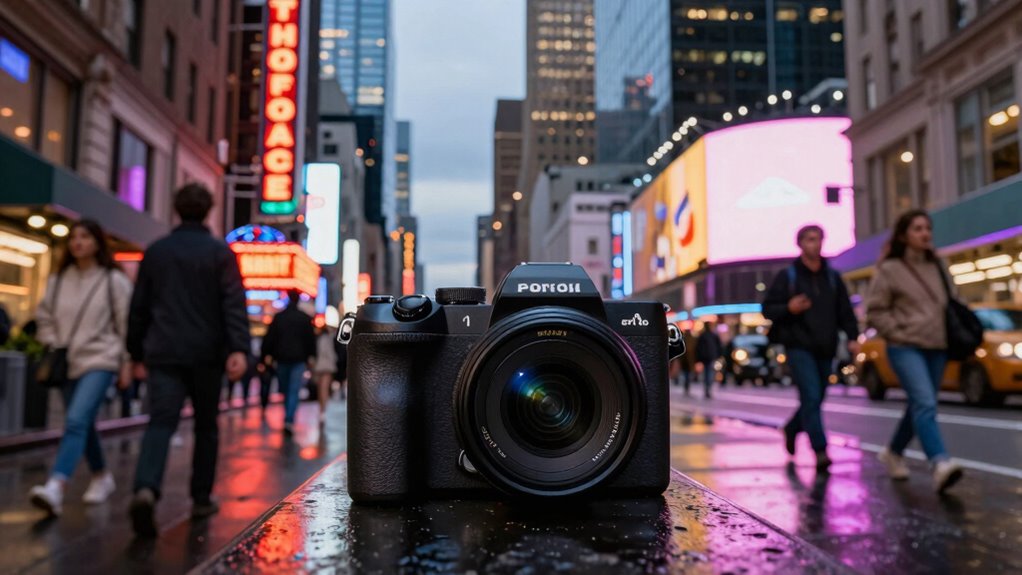
Full-frame cameras deliver excellent image quality, especially in low light, and create beautiful backgrounds. However, their larger size and heavier lenses can be a hassle when you’re traveling, making gear cumbersome and less portable. Balancing image quality with convenience is key, and modern crop sensors now offer impressive results without the bulk. If you want to find out how to optimize your travel photography gear, there’s more to think about beyond just gear size.
Key Takeaways
- Full-frame cameras are bulkier and heavier, making them less convenient for travel and extended outings.
- Larger lenses for full-frame systems increase size and weight, reducing portability during trips.
- Modern crop-sensor cameras deliver high image quality suitable for travel, narrowing the gap with full-frame options.
- Travel often prioritizes gear lightweight and compact, which favors smaller, crop-sensor systems.
- The cost of full-frame gear can be prohibitive, especially when considering additional accessories needed for travel.
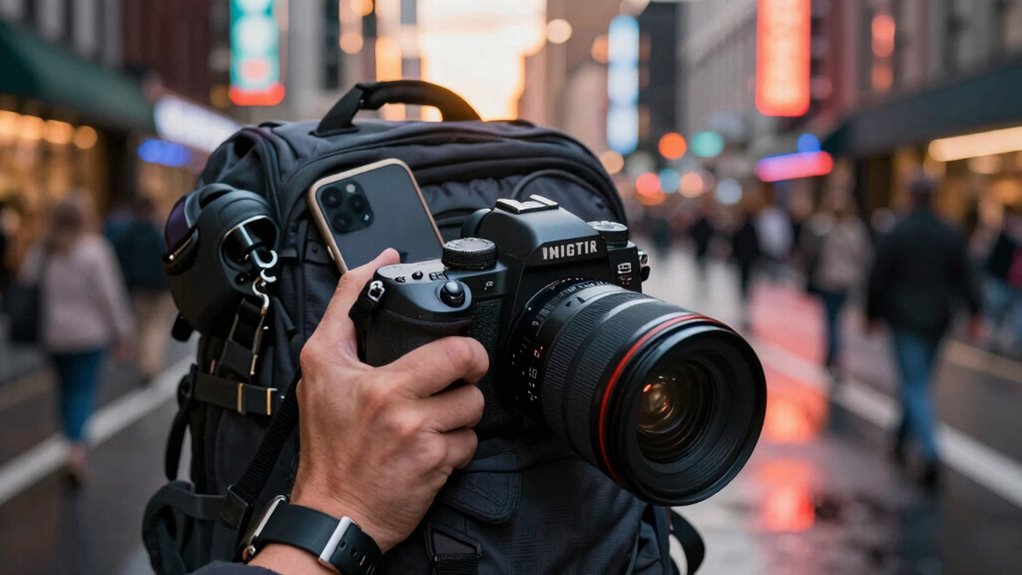
Have you ever wondered why professional travel photographers prefer full-frame cameras? It often comes down to the sensor size and lens compatibility. Full-frame sensors are larger than those in crop-sensor cameras, which means they can capture more light and detail, resulting in better image quality, especially in challenging lighting conditions. This larger sensor allows photographers to achieve a shallower depth of field, creating that beautiful background blur that makes subjects pop. But while these advantages are compelling, they’re not always the best fit for every traveler.
Full-frame cameras capture more light and detail, but their size and weight may not suit every traveler.
When you’re packing for a trip, portability and convenience matter just as much as image quality. Full-frame cameras tend to be bulkier and heavier because of their larger sensors and more robust build. They often require larger lenses, which adds to the overall weight and size of your gear. This can make traveling more cumbersome, especially if you’re hiking, exploring city streets, or trying to pack light. The sheer size of a full-frame system might limit how much gear you’re willing to carry around all day, potentially leading you to leave your camera behind when you’d rather have it with you.
Lens compatibility is another key factor. Full-frame cameras are designed to work seamlessly with lenses that match their sensor size. While this means you can use high-quality lenses that maximize your sensor’s potential, it also means that your lens choices can be more expensive and less versatile if you’re trying to keep your kit lightweight. Many travel photographers opt for smaller, more versatile lenses suited for crop-sensor cameras that still produce excellent images but are easier to carry around. Advances in sensor technology have improved modern crop-sensor cameras significantly, offering impressive image quality that’s more than sufficient for most travel photography needs. This progress has narrowed the gap in image quality between full-frame and crop-sensor cameras, making the latter an excellent alternative for many travelers. Furthermore, sensor size directly impacts the overall weight and portability of your gear, which is crucial when traveling light.
As an affiliate, we earn on qualifying purchases.
Frequently Asked Questions
How Does Sensor Size Affect Image Quality in Travel Photography?
Sensor size directly impacts image sharpness in travel photography; larger sensors, like full-frame, typically deliver better image quality with more detail and less noise, especially in low light. However, smaller sensors can still produce sharp, vibrant images and are more portable, making them ideal for travel. Your choice depends on balancing image quality with convenience, ensuring you capture stunning shots without burdening your gear.
Are Full-Frame Cameras More Durable for Travel Conditions?
You’ll find that full-frame cameras often have better build quality, with about 70% of models offering weather resistance, making them more durable for travel. Their robust construction can withstand rough conditions, dust, and moisture better than smaller sensor cameras. However, it’s essential to check individual models’ specifications. If weather resistance and camera durability are your priorities, a full-frame could be a smart choice for your adventures.
Can Smaller Cameras Match Full-Frame Image Quality?
Smaller cameras can definitely match full-frame image quality, especially with advancements in sensor technology. Sensor size impacts image sharpness, but modern crop sensors and compact cameras pack impressive resolution and detail. You’ll find that many smaller cameras produce sharp, high-quality images comparable to full-frame models, making them a great choice for travel. Focus on good lenses and proper technique, and you won’t miss out on image quality, regardless of size.
What Are the Cost Differences Between Full-Frame and Crop-Sensor Cameras?
The cost differences can surprise you. Full-frame cameras, with their larger sensor size, typically come with a hefty price tag—often double or even triple that of crop-sensor models. If you’re on a tight budget, you’ll find crop-sensor cameras offer excellent image quality at a fraction of the cost. So, consider your budget considerations carefully before investing; sometimes, a smaller camera with a smaller sensor can still deliver fantastic results.
How Does Weight Impact Travel Photography Gear Choices?
You’ll want to take into account weight when selecting travel photography gear because it impacts your comfort and mobility. Lighter gear, like a compact travel bag, makes it easier to carry over long days of exploring. Proper weight distribution ensures you don’t strain your shoulders or back, allowing you to focus on capturing moments rather than managing discomfort. Prioritize lightweight, versatile equipment that balances well within your travel bag for enjoyable, hassle-free adventures.
Conclusion
Remember, sometimes less is more. While a full-frame camera offers stunning detail, it’s not always the wisest choice for travel, where convenience and versatility matter most. Smaller, lighter cameras can still capture breathtaking shots without weighing you down or complicating your journey. As the saying goes, “The best camera is the one you have with you.” So, choose wisely, and let your travels inspire your photography, not hinder it.