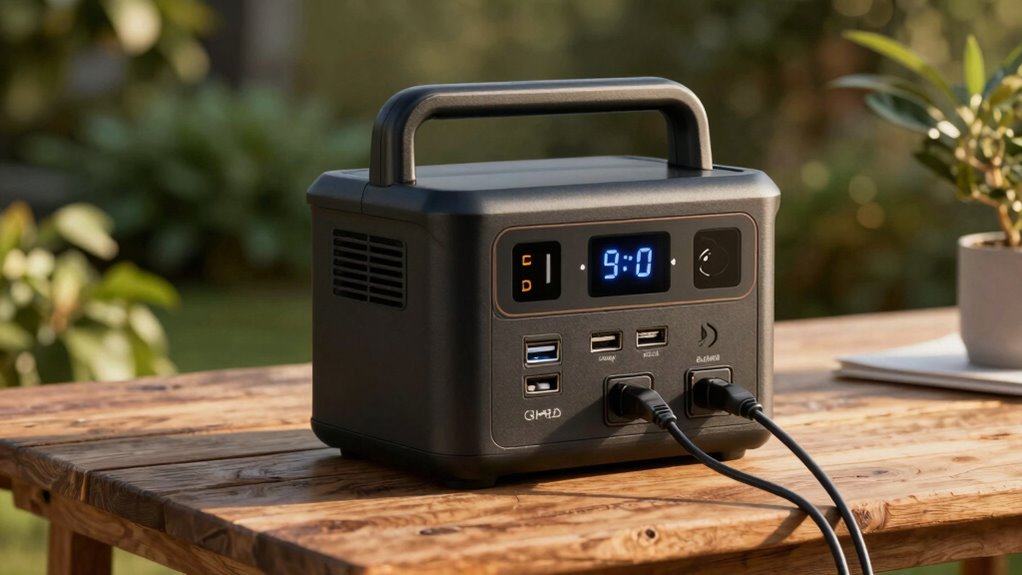

To tell if a portable power station is useful or frustrating, focus on its capacity, measured in watt-hours (Wh), and the versatility of its charging options. A station with the right capacity matches your device needs, whether for phones or small appliances, while multiple charging methods guarantee you stay powered in diverse situations. Proper maintenance and safety features also matter, helping the station last longer and stay dependable. Keep exploring to discover more about choosing the best fit for your adventures.

Get travel and outdoor gear delivered free with Prime
- Fast, free delivery on millions of items
- Prime Video, Amazon Music and more included
- Member-only deals all year
Key Takeaways
- Adequate battery capacity matching your device and usage needs ensures reliable power without frustration.
- Versatile charging options allow compatibility with multiple devices and power sources, enhancing usability.
- Easy-to-understand specifications prevent confusion and help select stations suited to your practical requirements.
- Clear safety and compliance information reduces risks and ensures lawful, responsible use.
- Low maintenance requirements and durable build contribute to long-term reliability and user satisfaction.

When evaluating battery capacity, consider the types and number of devices you’ll want to power simultaneously. For example, a small station with a 300Wh capacity might be perfect for charging phones and small gadgets but inadequate for running larger appliances. On the other hand, a station with a capacity exceeding 1,000Wh can handle multiple devices and small appliances at once, making it suitable for longer-term use or more demanding applications. Pair this with a variety of charging options, and you’ll have a portable power station that’s truly versatile and reliable. Additionally, understanding vacuuming techniques and dust-proofing solutions can help keep your equipment and workspace clean, ensuring optimal performance and longevity of your power station and other tools. Being aware of regulations related to portable power devices can also help you stay compliant during transport or outdoor use. Moreover, knowing battery safety tips can prevent accidents and prolong the lifespan of your power station. Incorporating environmentally friendly practices when choosing and using your power station can further support sustainable living efforts and reduce your ecological footprint. Implementing regular maintenance routines can also enhance the durability and reliability of your equipment over time.
As an affiliate, we earn on qualifying purchases.
Frequently Asked Questions
How Long Does the Battery Last on a Full Charge?
Your portable power station’s battery life on a full charge depends on its capacity and your power consumption. Typically, if you’re using a device with moderate power needs, it can last several hours. Keep in mind, higher power consumption shortens this time. To maximize battery life, monitor your device’s power draw and avoid overloading the station. This way, you get the most out of your portable power source.
Are Portable Power Stations Safe for Sensitive Electronics?
You can trust portable power stations to be safe for sensitive electronics, thanks to built-in surge protection and battery safety features. Some worry about power fluctuations damaging devices, but these stations are designed to prevent overloads that could harm your gadgets. As long as you choose a reputable model with proper safety certifications, you’ll enjoy reliable, clean power without risking your sensitive electronics’ performance or lifespan.
Can I Charge the Station With Solar Panels?
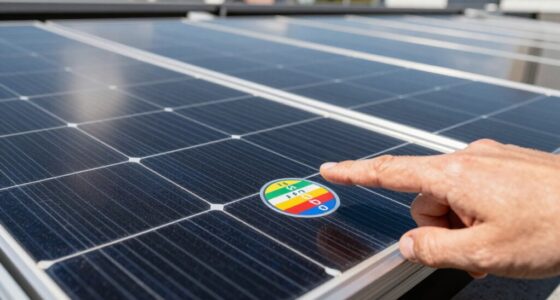
Yes, you can charge your portable power station with solar panels, thanks to its solar compatibility. Many models offer versatile charging options, including AC, car, and solar inputs. To guarantee efficient charging, check the station’s wattage and compatible solar panel specifications. Using solar panels is an eco-friendly way to keep your station powered, especially during outdoor adventures, emergencies, or off-grid situations.
What Is the Weight and Portability of Different Models?
While weight and portability vary, you’ll find models with impressive charging efficiency and thoughtful design ergonomics that make transport a breeze. Lighter options often feature compact builds, perfect for hiking or camping, whereas slightly heavier units might pack more power but still remain manageable. Consider how you plan to use your station, and choose one that balances weight with ease of handling, ensuring your adventures stay effortless and enjoyable.
How Often Do I Need to Replace the Battery?
You’ll need to replace your portable power station’s battery after about 300 to 500 charging cycles, depending on the model. Battery capacity gradually diminishes over time, reducing runtime. To maximize lifespan, avoid deep discharges and store it in a cool, dry place. Keep an eye on performance; if it no longer holds a charge or charges slowly, it’s time for a replacement. Proper care extends your station’s useful life.
Conclusion
When choosing a portable power station, focus on specs that match your needs—like battery capacity and charging options. Did you know that over 60% of users find that a higher watt-hour rating considerably extends their device usage? By understanding these details, you’ll avoid frustration and stay powered up when it matters most. So, pick wisely and enjoy the peace of mind that comes with reliable portable power.
Fall Picks
fall essentials
As an affiliate, we earn on qualifying purchases.