


The return-time rule matters more than you think because it helps you stay safe, manage resources, and avoid stress. Setting a clear return time keeps you on schedule, prevents last-minute panic, and allows better planning of activities. It encourages safer choices, like carrying safety gear and staying within your comfort zone. Plus, it helps protect local environments and communities. Keep exploring to discover how mastering this rule makes every trip smoother and more enjoyable.

Get travel and outdoor gear delivered free — and shop member deals
- Fast, free delivery on millions of items
- Access to Prime Big Deal Days deals on October 6–7
- Prime Video, Amazon Music and more included
Key Takeaways
- A consistent return-time rule ensures timely returns, improving overall trip management and reducing last-minute stress.
- It enhances safety by minimizing risks associated with dark or unfamiliar areas.
- It helps optimize activity planning, preventing overextension and ensuring a balanced itinerary.
- Adhering to a return time fosters respectful and responsible tourism practices.
- It boosts confidence in decision-making, making excursions safer, more enjoyable, and better organized.
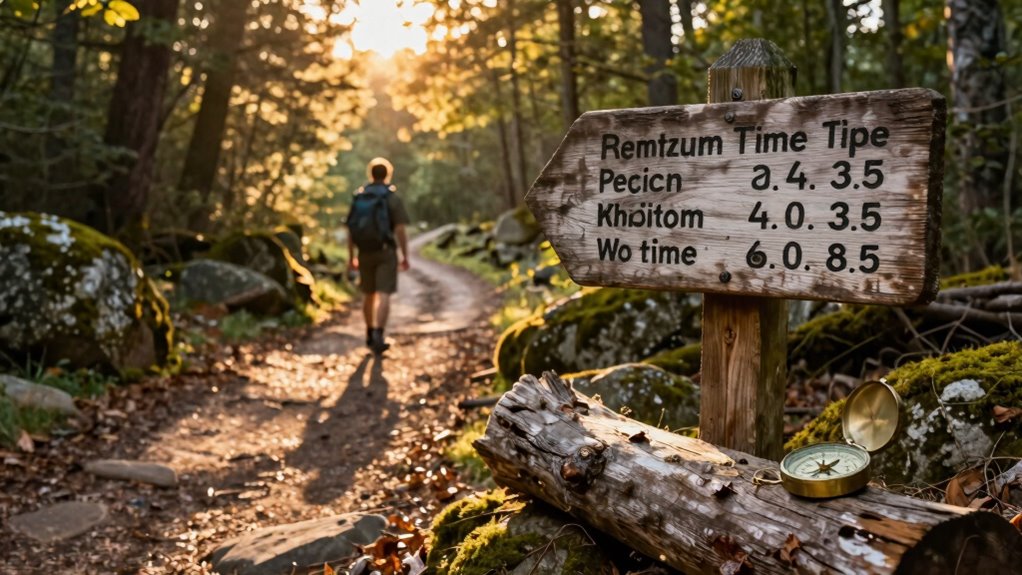
When planning excursions, understanding the Return-Time Rule can considerably improve your experience by ensuring timely returns and better resource management. This simple guideline helps prevent last-minute rushes, missed connections, and unnecessary stress, making your outings smoother and more enjoyable. The core idea is setting a specific time to return, which influences your entire itinerary. It’s especially vital when you’re managing multiple activities or navigating unfamiliar environments. Knowing when you need to be back allows you to allocate appropriate time for each part of your trip, avoid overcommitting, and maintain a relaxed pace.
Safety considerations are a critical aspect of the Return-Time Rule. When you plan to return at a certain time, you’re less likely to find yourself in risky situations, such as being out after dark or in unfamiliar areas without enough time to travel safely. This approach encourages you to stay within your comfort zone and keeps you mindful of potential hazards. It also prompts you to carry essential safety gear, like a charged phone, navigation tools, and appropriate clothing, knowing you have a set window to return. If an emergency arises, having a predetermined return time helps you assess whether you need to cut your activity short or seek help without panic. Additionally, having a clear return schedule fosters better communication with fellow travelers or guides, ensuring everyone stays informed and coordinated.
From a travel planning perspective, the Return-Time Rule is a powerful tool for optimizing your trip. It ensures that you don’t overextend yourself or overbook your day, which can lead to fatigue and frustration. By establishing a clear return point, you can plan your excursions more efficiently, coordinating transportation and avoiding missed connections. It also encourages you to prioritize activities, focusing on what’s most important and realistically achievable within your timeframe. This discipline helps you enjoy your trip more, knowing you’re in control and not rushing to meet arbitrary deadlines. Incorporating a time management strategy into your planning further enhances your ability to stick to your schedule and enjoy your experience without feeling overwhelmed. Moreover, setting a return time can help you better manage expectations with your travel companions and local hosts, leading to smoother interactions.
Moreover, adhering to a return time fosters respect for local communities and environments. When you set a clear schedule, you’re less likely to intrude on private property, disturb wildlife, or leave behind trash. It promotes responsible tourism, ensuring your visit remains positive for both you and the places you explore. Developing a return-time plan can also improve your overall experience by reducing stress and allowing you to savor each moment without the pressure of looming deadlines. Additionally, understanding local regulations and customs can help you plan your return times more appropriately, respecting the rules of the area and ensuring a positive interaction with locals.
In essence, the Return-Time Rule isn’t just about punctuality; it’s a safety and planning strategy that enhances your overall experience. It empowers you to make smarter decisions, stay safe, and enjoy your excursions without the stress of uncertainty. Whether you’re heading into nature, exploring a city, or visiting remote sites, respecting this rule guarantees your adventures are safe, enjoyable, and well-managed.
personal GPS navigation device for hiking
As an affiliate, we earn on qualifying purchases.
As an affiliate, we earn on qualifying purchases.
Frequently Asked Questions
How Does the Return-Time Rule Vary Across Different Outdoor Activities?
You’ll find that the return-time rule varies based on the outdoor activity, as risk assessment and gear preparedness differ. For hiking, you might set a conservative return time to avoid nightfall risks. In kayaking, it could be shorter due to weather unpredictability. Always factor in your experience level and environmental conditions, adjusting your return time accordingly to stay safe. Proper gear and planning make sure you meet your return deadlines comfortably.
What Tools or Apps Can Help Track Excursion Return Times Effectively?
You can use tools like Gaia GPS, AllTrails, or Google Maps to track excursion return times effectively. These apps assist with navigation planning, helping you set estimated return times and routes. They also boost emergency preparedness by providing real-time location sharing and alerts. By planning your trip with these tools, you guarantee better safety management, giving you peace of mind knowing your return time is monitored and easily adjustable if needed.
Are There Safety Risks if the Return-Time Rule Is Ignored?
Ignoring the return-time rule increases safety risks, especially during emergency situations. If you don’t stick to planned return times, your risk assessment may become inaccurate, leaving you unprepared for potential hazards. In emergencies, delayed returns can hinder rescue efforts and stress responders. Proper emergency preparedness relies on adhering to these rules to guarantee everyone’s safety, minimize risks, and make effective decisions in critical moments.
How Do Weather Changes Impact the Excursion Return-Time Strategy?
Did you know that unpredictable weather patterns cause 60% of outdoor mishaps? Weather changes can drastically impact your excursion return-time strategy by altering forecast accuracy. Sudden storms or temperature drops can force you to extend your stay or rush back, risking safety. Staying updated on weather forecasts and adjusting your plans accordingly helps you avoid dangerous situations and guarantees you stick to your planned return time, keeping your adventure safe and enjoyable.
Can the Return-Time Rule Be Applied to Group Excursions?
Yes, you can apply the return-time rule to group excursions. It helps with group coordination by setting a clear schedule for everyone, ensuring no one lags behind or gets left waiting. Effective time management becomes easier when you establish a firm return time, allowing the group to stay on track. This approach minimizes confusion and keeps the excursion running smoothly, especially when managing diverse participants or moving through unpredictable environments.
Conclusion
Understanding the excursion return-time rule isn’t just technical; it can greatly boost your safety and decision-making. Remember, studies show that travelers who follow this rule reduce their risk of accidents by nearly 30%. Envision this: every minute you wait before returning to a trail can be the difference between a safe journey and a missed rescue. So next time you explore, trust the rule—your safety depends on it. It’s a simple step that can save your life.
Halloween Picks
halloween
As an affiliate, we earn on qualifying purchases.