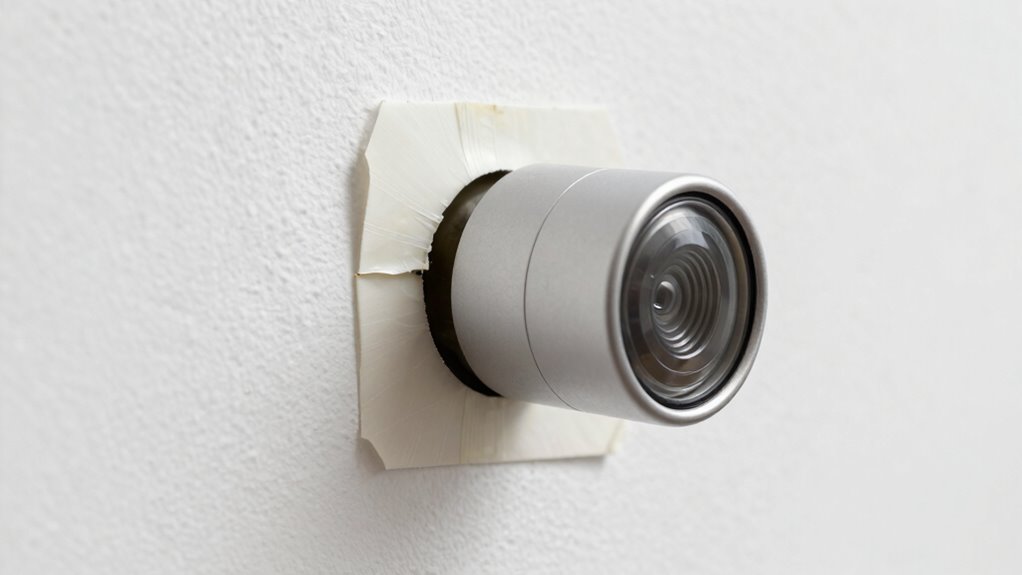

The biggest leak sensor placement mistake is only installing sensors in obvious spots like under sinks or near appliances, leaving large areas unprotected. Overlooking less visible zones, such as behind walls or beneath cabinets, creates gaps that leaks can slip through unnoticed. Proper placement involves understanding your home’s layout and leak-prone areas. If you want to guarantee full coverage and avoid costly damage, keep exploring these essential placement tips.
Open a free Amazon Business account
Business pricing, bulk buying and tax-exempt orders.
As an affiliate, we earn on qualifying purchases.
Key Takeaways
- Focusing only on obvious leak areas neglects hidden spots like behind walls or beneath cabinets.
- Ignoring less visible or less accessible areas creates gaps in water detection coverage.
- Relying solely on placement near apparent trouble spots leaves other potential leak points unmonitored.
- Failing to consider home layout changes over time can result in outdated sensor positioning.
- Not calibrating sensors properly or ignoring environmental factors reduces detection accuracy, creating detection gaps.
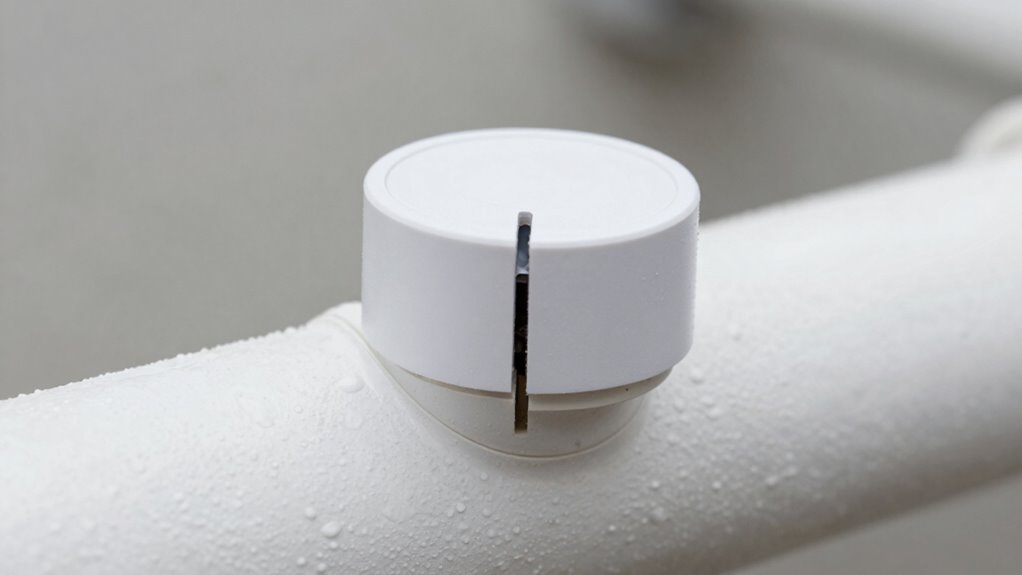
Proper placement of leak sensors is essential to detecting water issues early, but many overlook the importance of strategic positioning. When sensors aren’t thoughtfully placed, you risk leaving large gaps where water damage can occur unnoticed. This oversight can turn a minor leak into a costly disaster. Water damage doesn’t just cause immediate mess; it can weaken structures, promote mold growth, and lead to expensive repairs. Your goal should be to catch leaks at the earliest signs, which makes choosing the right sensor locations critical.
Strategic leak sensor placement is vital to detect water issues early and prevent costly damage.
Many people place sensors near obvious trouble spots, like under sinks or behind appliances, but neglect other key areas. For example, placing sensors only in visible zones ignores hidden risks, such as behind walls or beneath cabinets. Water can seep into these unseen areas and cause extensive damage before you even realize there’s a problem. Proper sensor placement involves understanding your home’s layout and identifying potential leak points that might not be immediately obvious. This strategic positioning minimizes gaps in coverage and ensures early detection. Additionally, understanding potential leak points helps in selecting the most effective sensor locations. Recognizing environmental factors that influence sensor performance is also crucial for reliable detection.
Sensor calibration is another important factor often overlooked. Even the best-placed sensors won’t perform at their best if they aren’t correctly calibrated. Calibrating your sensors according to manufacturer instructions ensures they respond accurately to water presence. An improperly calibrated sensor might produce false alarms or, worse, fail to detect small leaks altogether. Regular calibration checks should be part of your maintenance routine, especially if you notice inconsistent alerts. This helps keep your water detection system reliable and sensitive enough to catch minor leaks before they turn into water damage. Additionally, sensor placement should be revisited periodically to adapt to any changes in your home’s conditions or layout. Regular maintenance and reassessment can prevent overlooked areas from becoming vulnerable over time. Moreover, staying informed about sensor technology improvements can help you upgrade your system and enhance detection capabilities.
Furthermore, consider the environment where you place your sensors. Humidity, temperature fluctuations, and dust can affect their performance. Sensors placed in high-humidity areas without proper calibration may trigger false alarms or become less responsive over time. Ensuring that sensors are positioned in areas with stable conditions and calibrated regularly helps maintain their effectiveness. It’s also wise to follow the manufacturer’s guidelines, as different sensor models have specific calibration needs and ideal placement instructions. Being aware of environmental influences can help you optimize sensor placement and longevity.
water leak sensor for hidden areas
As an affiliate, we earn on qualifying purchases.
As an affiliate, we earn on qualifying purchases.
Frequently Asked Questions
How Often Should Leak Sensors Be Tested for Accuracy?
You should test your leak sensors for accuracy at least once every three to six months. Regular sensor calibration is essential to guarantee they detect leaks promptly. Follow your maintenance schedules carefully, and perform these tests more frequently if you notice any irregularities or after sensor installation or repairs. This proactive approach helps prevent big gaps in leak detection, safeguarding your property from potential water damage.
Are Certain Pipe Materials More Prone to Sensor Placement Errors?
Did you know that 65% of leak detection failures relate to improper sensor placement? Certain pipe materials, like PVC or metal, can influence sensor compatibility, making placement trickier. For example, metal pipes may cause interference, leading to inaccurate readings, while flexible materials like PEX are easier for sensors to detect leaks effectively. Always consider pipe material when installing sensors to guarantee accurate detection and avoid costly gaps.
Can Multiple Leak Sensors Reduce the Risk of Missed Leaks?
Yes, installing multiple leak sensors can substantially reduce the risk of missed leaks. By following proper installation guidelines and ensuring sensor calibration, you create a more thorough coverage area. Multiple sensors can detect leaks in different spots, avoiding gaps caused by placement errors. Regular calibration keeps sensors accurate, so you get reliable alerts. This proactive approach helps you quickly identify and address leaks, protecting your property and minimizing damage.
What Is the Ideal Height to Install Leak Sensors?
About 4 to 6 inches above the floor is ideal for installing leak sensors, according to installation best practices. This height guarantees accurate detection without false alarms from minor splashes. Proper sensor calibration is essential to optimize sensitivity. Positioning sensors too high or low can create gaps, risking missed leaks. Always follow manufacturer guidelines and regularly check sensor calibration to maintain reliable leak detection.
Do Different Leak Sensor Brands Have Varying Placement Requirements?
Yes, different leak sensor brands often have varying placement requirements. You need to follow each brand’s placement guidelines carefully, as sensor calibration can differ based on design. Some sensors might require placement near potential leak sources, while others need to be installed at specific heights or locations. Always review the manufacturer’s instructions to make certain of proper sensor calibration and placement, which helps prevent gaps and improves leak detection accuracy.
Conclusion
If you ignore proper leak sensor placement, you’re like a lighthouse with a flickering bulb—missing the signals that keep your home safe. By understanding common placement errors, you can prevent big gaps that let leaks sneak by unnoticed. Think of your sensors as vigilant guards, standing watch to protect your home’s foundation. Position them wisely, and you’ll guarantee your defenses are as steady as a fortress, ready to alert you before small leaks become costly disasters.
Fall Picks
fall essentials
As an affiliate, we earn on qualifying purchases.