
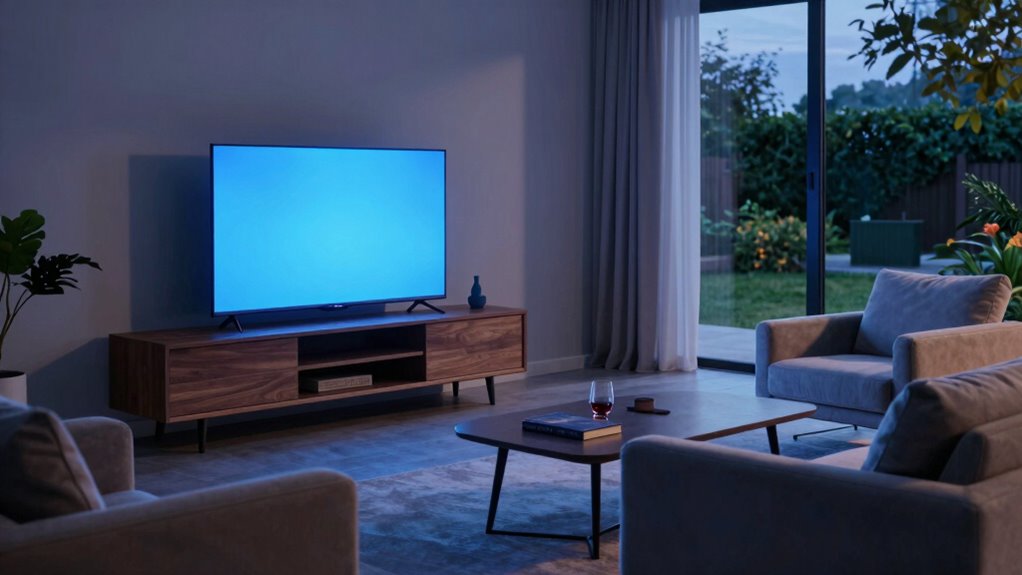

Big entertainment promises excitement and social connection, but it often comes at the cost of quiet, meaningful evenings. As you spend more time glued to screens, you may find yourself replacing genuine face-to-face interactions with shallow digital exchanges, leading to feelings of isolation. This habit can erode your social skills and mental well-being over time. If you want to discover how to restore peaceful, enriching evenings, keep exploring these hidden tradeoffs and solutions.

Get travel and outdoor gear delivered free — and shop member deals
- Fast, free delivery on millions of items
- Access to Prime Big Deal Days deals on October 6–7
- Prime Video, Amazon Music and more included
Key Takeaways
- Big entertainment offers excitement but often replaces restful, reflective evenings with screen time, reducing genuine relaxation.
- Increased digital engagement can weaken real-world social skills despite online connectivity.
- The pursuit of entertainment may lead to social withdrawal and feelings of loneliness over time.
- Quiet activities like reading or nature walks foster mental health and meaningful social bonds.
- Balancing entertainment with reflective practices helps prevent digital overuse and promotes emotional well-being.

In today’s fast-paced world, big entertainment options like concerts, sports games, and lively events promise excitement and social connection, but they often come with an unexpected cost: quieter evenings at home. As you chase after these high-energy experiences, you might start to notice how your evenings shift from personal downtime to screen time marathons. The allure of bright screens—whether on your phone, tablet, or TV—can quickly lead to screen addiction, making it harder to disconnect from digital distractions. Over time, this habit can deepen feelings of social isolation, even if you’re technically connected online. Instead of genuine face-to-face interactions, you might find yourself retreating into the comfort of your devices, creating a cycle that amplifies loneliness and reduces real-world social bonds.
Big entertainment events are designed to fill your schedule with excitement, but they often come at the expense of quieter, more reflective evenings. When you spend evenings glued to screens, it becomes easier to isolate yourself from those around you. You might tell yourself it’s just a way to relax, but what’s happening beneath the surface is a growing disconnect from meaningful social interactions. This pattern can subtly erode your social skills and emotional well-being, leaving you feeling more lonely despite the digital connections you maintain. The more you indulge in screens, the more you risk trading genuine conversations for shallow interactions, which only intensifies feelings of social isolation.
The paradox is that while big entertainment options seem to offer social engagement, they can inadvertently contribute to loneliness. You might attend events to feel part of something bigger, but afterward, it’s easy to retreat into the comfort of your digital world. This cycle diminishes your ability to enjoy quiet evenings without screens, making it difficult to find balance. Over time, you might realize that the quiet, personal moments—reading a book, reflecting, or simply relaxing—are the very activities that replenish your mental and emotional health. Additionally, engaging in biodiversity-focused activities, such as gardening or nature walks, can help reconnect you with the natural world and foster a sense of peace and fulfillment beyond screens. Recognizing the importance of mental health can guide you toward healthier habits and more mindful evenings. Developing awareness of your digital habits can help you create boundaries that support your overall well-being. Yet, the constant presence of screens and the habit of seeking entertainment at any cost can keep you from experiencing this kind of restorative solitude.
In the end, the tradeoff becomes clear: the more you indulge in big entertainment and digital distractions, the more you risk sacrificing the peaceful, meaningful quiet evenings that foster genuine social bonds and mental clarity. Recognizing this pattern allows you to make conscious choices about how you spend your evenings. Striking a balance between social activities and quiet reflection isn’t just about avoiding screen addiction and social isolation; it’s about reclaiming your time for activities that truly nourish your well-being.
reading lamp for relaxing evenings
As an affiliate, we earn on qualifying purchases.
As an affiliate, we earn on qualifying purchases.
Frequently Asked Questions
How Does Big Entertainment Impact Daily Stress Levels?
Big entertainment can increase your daily stress levels by fueling screen addiction and social comparison. You might find yourself constantly scrolling, which disrupts relaxation and sleep. Comparing your life to curated online stories can make you feel inadequate or anxious. This cycle elevates stress, making it harder to unwind. To reduce this, set boundaries on screen time and focus on real-life interactions, helping you regain calm and balance.
What Are Effective Ways to Balance Entertainment and Quiet Time?
Find a balance by setting boundaries around your entertainment time. Practice mindfulness to stay present during quiet moments, and schedule nature escapes to refresh your mind. Turning off screens an hour before bed helps you unwind, while engaging in hobbies or meditation fosters calm. Remember, you can’t pour from an empty cup—prioritizing quiet evenings restores your energy and makes your entertainment more enjoyable.
Are There Specific Age Groups More Affected by This Tradeoff?
You might notice that generational differences influence how age-specific preferences shape this tradeoff. Younger people often seek engaging, social entertainment, while older adults may prefer quiet evenings for relaxation. These age groups are more affected because their routines and preferences differ markedly, impacting how they balance entertainment and quiet time. Recognizing these differences helps you tailor activities to meet diverse needs, fostering better balance and satisfaction across all age groups.
How Does Technology Influence Our Entertainment and Relaxation Choices?
Technology shapes your entertainment and relaxation choices by offering immersive experiences like virtual reality and interactive gaming. Imagine stepping into a different world; that’s what VR provides, making quiet evenings more dynamic or intense. According to recent data, more people spend hours in these digital worlds, often sacrificing peaceful downtime. You’re drawn to these innovations because they promise engaging escape, but they can also make quiet nights harder to find.
Can Reducing Entertainment Improve Overall Mental Health?
Yes, reducing entertainment can improve your mental health. When you cut back, you create space for mindfulness practices, helping you stay present and reduce stress. It also encourages deeper social connections, fostering meaningful interactions instead of passive screen time. By limiting entertainment, you give yourself a chance to recharge mentally, boost your emotional well-being, and develop healthier habits that support long-term mental resilience.
Conclusion
So, next time you choose a lively movie night over a quiet evening, remember there’s a tradeoff. While big entertainment offers excitement and connection, it can also chip away at your peaceful moments. But don’t worry—balancing both isn’t impossible. You can enjoy the thrill without losing your calm, just by setting boundaries and making space for quiet times. After all, life’s about finding that perfect mix of energy and peace.
Fall Picks
fall essentials
As an affiliate, we earn on qualifying purchases.