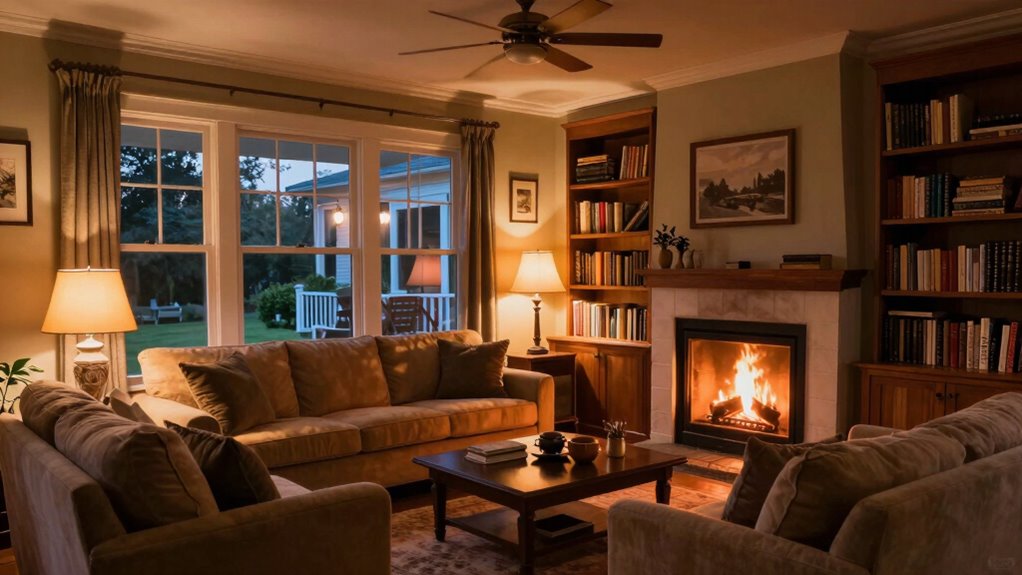

To make your empty home look lived in during the holidays while staying safe and compliant, set your outdoor holiday lights to stay on for no more than 30 days. Use timers or smart plugs to automate your lighting schedule, preventing you from forgetting to turn lights off. Choose energy-efficient LED lights to save costs and reduce fire risks. Staying within local regulations helps you avoid fines while keeping your home festive and secure—you’ll discover more ways to achieve this as you explore further.

Get travel and outdoor gear delivered free with Prime
- Fast, free delivery on millions of items
- Prime Video, Amazon Music and more included
- Member-only deals all year
Key Takeaways
- The Vacation Lighting Rule allows outdoor holiday lights to be on for up to 30 days to make homes appear lived in.
- Using timers or smart plugs helps automate lighting and maintain a lived-in appearance during absences.
- Properly timed lighting prevents homes from looking dark or unoccupied, enhancing security and curb appeal.
- Energy-efficient LED lights can be used to keep homes illuminated while saving energy and complying with regulations.
- Staying within the 30-day limit ensures compliance and avoids penalties while maintaining a welcoming home environment.
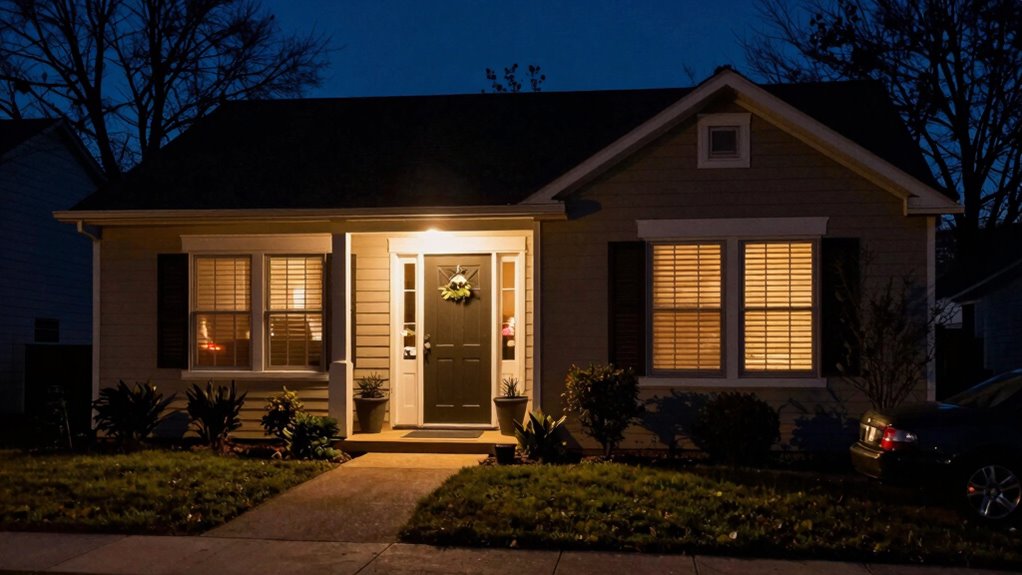
Have you ever wondered if your holiday lighting could be breaking local regulations? It’s a common concern, especially when you want to make your home festive while staying within the law. The Vacation Lighting Rule is designed to help you do just that—illuminate your home safely and efficiently, even when you’re away. This regulation aims to prevent unnecessary fire hazards and conserve energy, making sure your holiday safety and energy efficiency are prioritized. It’s especially helpful if you’re planning to leave your home unattended during trips or vacations.
Ensure festive lighting stays safe and compliant during your travels with the Vacation Lighting Rule.
This rule typically allows you to keep outdoor holiday lights on for a limited period, usually up to 30 days. Once that window closes, you’ll need to turn off the lights or remove them entirely. The purpose is to prevent excessive energy consumption and reduce fire risks associated with prolonged lighting. If you ignore these guidelines, you might find yourself facing fines or penalties, which is the last thing you want during the busy holiday season. By understanding and following the Vacation Lighting Rule, you ensure your home looks lively and welcoming while staying compliant with local regulations. Being aware of local regulations about outdoor lighting can help you stay compliant and avoid penalties, ensuring a stress-free holiday experience.
To maximize holiday safety and energy efficiency, consider using timers or smart plugs for your lights. These devices can automatically turn your holiday lighting on and off at preset times, so you don’t forget to switch them off before leaving or going to bed. Not only does this help you adhere to the Vacation Lighting Rule, but it also saves you money on energy bills. LED lights are another smart choice—they consume a fraction of the energy compared to traditional incandescent bulbs, making your holiday decorations more eco-friendly. Using energy-efficient lighting options not only keeps your home safe but also reduces your carbon footprint. Incorporating energy-efficient lighting into your holiday setup can significantly contribute to environmentally responsible practices, especially with the growing importance of sustainable energy initiatives. Additionally, choosing smart lighting controls can streamline the management of your festive displays, ensuring compliance and convenience.
As an affiliate, we earn on qualifying purchases.
Frequently Asked Questions
How Long Can Vacation Lighting Be Left on Each Night?
You can leave decorative fixtures on for up to 8 hours each night without increasing energy consumption excessively. It’s a good idea to set timers or use energy-efficient bulbs to keep energy use low. This way, your home looks lived in, deterring burglars, while you save on electricity. Limiting the hours also prevents unnecessary wear and tear on your decorative fixtures and helps keep your energy bills manageable.
Are There Specific Types of Lights Recommended for This Rule?
You should choose energy-efficient lights, like LED bulbs, for indoor decor when following this rule. LEDs are recommended because they consume less energy, helping you save on electricity bills while maintaining a realistic, lived-in look. Opt for warm or soft white tones to mimic natural lighting, making your home appear welcoming even when you’re away. These lights are durable and long-lasting, making them an ideal choice for this purpose.
Does the Rule Vary by Neighborhood or City Regulations?
You’ll find that neighborhood variations and city regulation differences can dramatically change how you implement the lighting rule. Some areas have strict guidelines, like a fortress with no lights, while others encourage it to deter burglars. Always check local rules first, because ignoring them could turn your well-lit home into a target or a fine magnet. Adapt your lighting strategy accordingly to stay compliant and keep your home looking lively.
Can Smart Lighting Systems Be Used to Comply With the Rule?
Yes, you can use smart lighting systems to comply with the rule. They allow you to automate your lights, creating realistic lighting patterns that mimic occupancy, which enhances your home’s security. With smart lighting, you can easily schedule lights to turn on and off at various times, giving your home a lived-in look even when you’re away. This security enhancement helps deter potential intruders and provides peace of mind.
Is There an Optimal Time to Turn the Lights on and Off?
Yes, there’s a ideal timing strategy for turning lights on and off to maximize energy efficiency. You should schedule your lighting to mimic natural patterns, turning lights on at dusk and off after midnight, then back on before dawn. Using smart lighting systems helps you implement these timing strategies effortlessly, ensuring your home looks lived in without wasting energy. Consistent, well-planned timing boosts both security and energy savings.
Conclusion
By following the vacation lighting rule, you create the illusion that someone’s home is always alive, just like the stars that shine even when we can’t see them. It’s a simple trick, yet it reminds you that small actions can prevent bigger worries. Sometimes, it’s the little coincidences—like a well-lit house—that keep our homes safe and secure, proving that even in absence, life and protection go hand in hand.
Fall Picks
fall essentials
As an affiliate, we earn on qualifying purchases.