
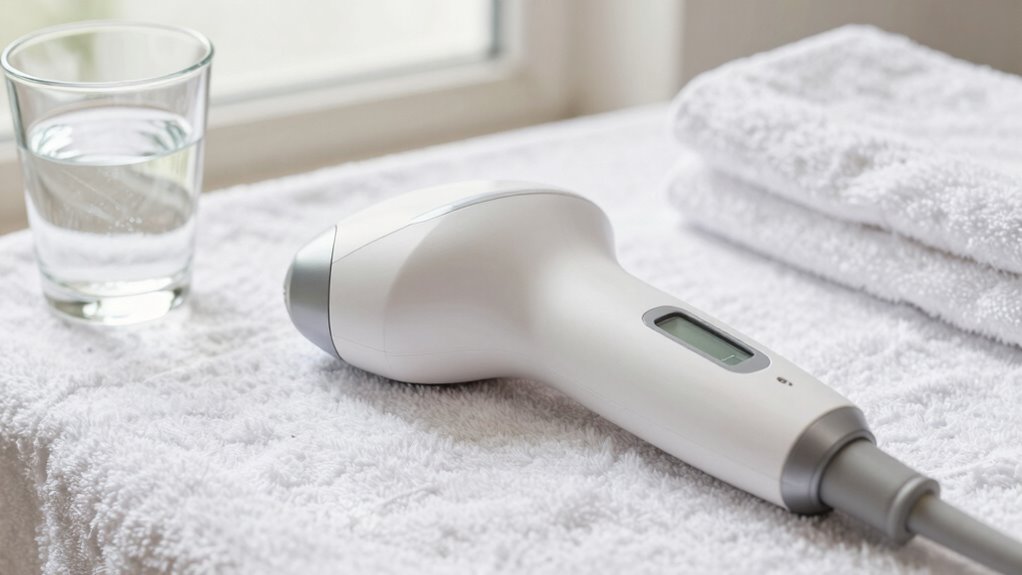

Before investing in an at-home laser hair removal device, understand its limits and safety features. These devices work best on specific hair and skin types and require multiple sessions for noticeable results. Proper use and compliance with safety guidelines are essential to prevent irritation or burns. Keep realistic expectations—results may be less dramatic than professional treatments, especially on light or fine hair. For deeper insights on making safe, effective choices, continue exploring what you need to know.
Open a free Amazon Business account
Business pricing, bulk buying and tax-exempt orders.
As an affiliate, we earn on qualifying purchases.
Key Takeaways
- At-home laser devices are less powerful than professional treatments, leading to more gradual and less dramatic results.
- Proper device selection based on skin tone and hair type is crucial for safety and effectiveness.
- Following safety guidelines, including skin sensors and protective gear, minimizes risks like burns or irritation.
- Consistency and multiple sessions over weeks are necessary; shortcuts can reduce effectiveness.
- Realistic expectations are essential; at-home devices may not fully remove all hair or achieve salon-level results.
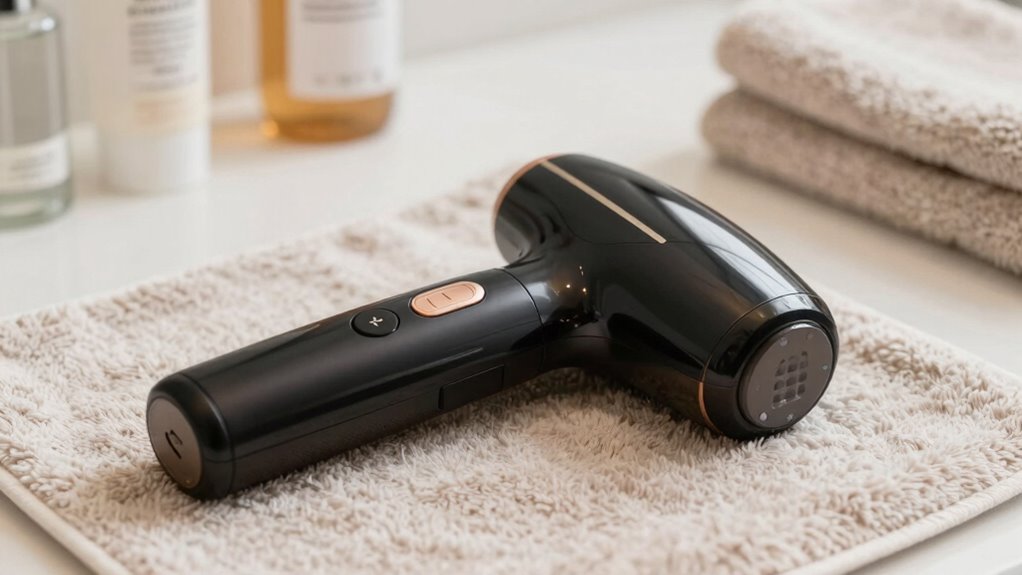
If you’re considering at-home laser hair removal, understanding what the process involves and what realistic expectations you should have is crucial. Unlike professional treatments, at-home devices are designed for consumer use, which means they’re generally less powerful. This often leads to questions about whether they’re effective enough to deliver lasting results. Before jumping in, you should know that laser hair removal works by targeting hair follicles with concentrated light, which damages the follicle and inhibits future growth. However, success depends heavily on proper use, your hair type, and skin tone.
One of the most important factors to consider is skin sensitivity. If you have sensitive skin, you might experience irritation, redness, or even burns if the device isn’t used correctly. That’s why reading the user manual carefully and following all safety instructions is vital. Many at-home laser devices come with built-in safety features, such as skin sensors that detect if your skin tone is suitable for treatment. These features are designed to prevent accidental burns or misuse, but they’re not foolproof. You still need to be cautious, especially if your skin reacts easily or you have underlying skin conditions.
Device safety should be your top priority. Not all at-home laser devices are created equal, so it’s essential to choose a reputable brand with good reviews and proper certifications. Cheaper or unbranded devices may not have undergone rigorous testing, increasing the risk of ineffective treatment or skin damage. When you use a safe device, you reduce the chance of adverse effects and ensure the treatment is as effective as possible. Remember, safety features like protective goggles and adjustable settings are there for your protection, so never bypass or disable them. Understanding how laser hair removal works can help you make informed choices about the device you select and its capabilities. Additionally, being aware of the limitations of consumer devices can help you set realistic expectations for your results. It’s also helpful to understand the importance of skin and hair type compatibility, as certain combinations respond better to laser treatments.
Expectations should be realistic. At-home laser hair removal generally requires multiple sessions over several weeks to see noticeable reduction in hair growth. Results are often less dramatic than professional treatments, especially if your hair is light or fine. Consistency is key — missing treatments or rushing through sessions can diminish results. Also, some areas of your body may respond better than others. Be patient and prepared for a gradual process. Understanding how laser hair removal works and the limitations of consumer devices can help set appropriate expectations. Moreover, knowing that proper device use plays a critical role in achieving the best possible results can motivate you to follow all guidelines carefully.
Ultimately, the success of at-home laser hair removal depends on your understanding of how it works, your skin’s sensitivity, and your commitment to following safety guidelines. It’s not a quick fix, but with careful use and realistic expectations, you can achieve smoother skin without frequent salon visits. Just remember, safety and patience are your best tools in making the process effective and safe.
at-home laser hair removal device
As an affiliate, we earn on qualifying purchases.
As an affiliate, we earn on qualifying purchases.
Frequently Asked Questions
Are At-Home Laser Devices Safe for All Skin Types?
At-home laser devices aren’t safe for all skin types. If you have sensitive skin, you might experience irritation or adverse reactions, so it’s crucial to verify device compatibility before use. Many devices work best on lighter skin tones and may not be suitable for darker skin or certain sensitivities. Always read the manufacturer’s guidelines and consult a dermatologist if you’re unsure, to ensure safe and effective treatment.
How Long Does It Take to See Permanent Results?
You’ll typically see noticeable results after about 4 to 8 weeks of consistent use, depending on your hair growth cycle. Permanent results come with ongoing treatments that cause temporary follicle suppression. Thanks to laser technology advancements, at-home devices are more effective than ever. While some hair may regrow, it often becomes finer and sparser, leading to long-lasting smoothness with regular use over several months.
Can I Use These Devices on Facial Hair?
Yes, you can use at-home laser devices on facial hair, but you need to check device compatibility first. Some devices are specifically designed for facial areas and have lower energy settings to reduce facial irritation. Always follow the manufacturer’s instructions carefully, as using the wrong device or settings can cause facial irritation or skin damage. Doing a patch test beforehand helps guarantee safety and effectiveness.
What Are Common Side Effects of At-Home Laser Treatments?
Coincidences often reveal the unexpected, just like common side effects from at-home laser treatments. You might notice skin irritation, redness, or swelling after use, especially if your skin is sensitive. Device malfunction is another risk, possibly causing uneven hair removal or discomfort. Always follow instructions carefully, perform patch tests, and avoid overusing the device to minimize these side effects and guarantee safe, effective treatment.
How Often Should I Perform Treatments for Best Results?
You should perform laser treatments every two to four weeks for ideal hair reduction results. Laser technology works best when treatments are spaced out to target hair in its growth phase. Consistency is key, so sticking to this schedule helps guarantee gradual, noticeable hair reduction over time. Avoid overdoing it, as too frequent treatments can cause irritation, while too long gaps may slow progress.
Conclusion
So, before you plunge into the world of at-home laser hair removal, remember it’s not a magic wand but a delicate dance. Think of it as tending a garden—patience and care yield the best blooms. Do your homework, follow the instructions, and stay realistic about results. With a little effort and a sprinkle of persistence, you’ll be turning the hair removal journey into a smooth, sun-kissed path rather than a tangled maze.
NFL season / tailgating Picks
team gear
As an affiliate, we earn on qualifying purchases.