

TL;DR
Lockheed Martin’s Skunk Works has successfully integrated Guam’s missile defense systems into a unified network. This development aims to improve regional missile threat response and security coordination. The project is confirmed, but operational details remain undisclosed.
Lockheed Martin’s Skunk Works division has completed the integration of Guam’s missile defense systems into a unified command and control network. This development enhances the island’s ability to coordinate missile defense responses and represents a significant upgrade to regional security infrastructure, according to company and military sources.
Lockheed Skunk Works, the advanced research and development division of Lockheed Martin, announced the successful deployment of a new command and control (C2) system that unifies Guam’s missile defense network. The project consolidates multiple existing defense systems into a single, integrated platform, allowing for faster decision-making and improved threat assessment.
The initiative was carried out over the past year, with the U.S. Indo-Pacific Command and the Pacific Fleet involved in overseeing the deployment. Officials confirmed that the system is now operational, providing a centralized interface for missile defense coordination across Guam’s various sensors and interceptor assets.
While specific technical details remain classified, sources indicate that the upgrade enhances Guam’s capacity to detect, track, and respond to missile threats more efficiently, especially in the context of escalating regional tensions involving North Korea, China, and Russia.
Implications for Regional Missile Defense Readiness
This unification significantly improves Guam’s missile defense posture, enabling quicker response times and more coordinated threat management. It represents a strategic enhancement amid growing regional tensions and demonstrates the U.S. military’s commitment to strengthening its missile defense infrastructure in the Indo-Pacific.
The project also signals an increased emphasis on technological integration and command efficiency, which could influence future missile defense upgrades across other U.S. territories and allied nations in the region.
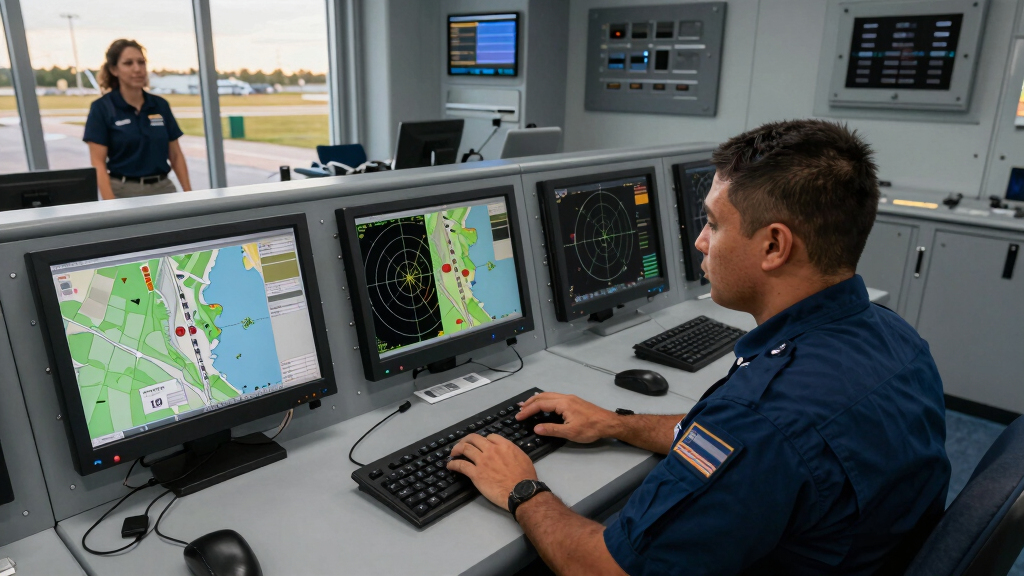
missile defense command and control system
As an affiliate, we earn on qualifying purchases.
As an affiliate, we earn on qualifying purchases.
Background on Guam’s Missile Defense Systems
Guam has long been a critical strategic location for U.S. military operations in the Indo-Pacific, hosting multiple missile defense systems including Aegis Ashore and THAAD units. Over recent years, these systems have operated independently, with limited integration for joint threat response.
In 2023, regional security concerns escalated due to increased missile tests by North Korea and growing military activities by China and Russia. This prompted efforts to modernize and unify Guam’s missile defense capabilities, culminating in the recent project led by Lockheed Skunk Works.
The initiative aligns with broader U.S. military modernization efforts aimed at enhancing regional missile defense resilience.
“Our Skunk Works team has delivered a cutting-edge command and control solution that enhances Guam’s missile defense coordination and response time.”
— A Lockheed Martin spokesperson
Operational Details and Long-Term Effectiveness Still Unclear
It is not yet confirmed how the new system will perform under real-world threat scenarios or how quickly it will be fully integrated into daily military operations. Specific technical specifications and the scope of operational testing remain classified, and ongoing evaluations are expected in the coming months.
Additionally, it is unclear whether similar unification efforts are planned for other U.S. bases in the region or if this is a standalone upgrade for Guam.
Next Steps for System Validation and Regional Deployment
The military plans to conduct operational testing of the unified system over the next several months to validate its performance. Once fully validated, it is expected to be incorporated into Guam’s routine missile defense operations.
Further, defense officials may consider expanding similar integration efforts to other strategic locations in the Indo-Pacific, depending on the success of this project.
Monitoring developments and official updates over the coming months will be essential to assess the system’s impact and future deployment plans.
Key Questions
What specific systems have been unified in Guam’s missile defense network?
While exact technical details remain classified, sources indicate that the integration consolidates existing sensors, interceptors, and command systems like Aegis Ashore and THAAD into a single control platform.
How does this upgrade improve Guam’s missile defense capabilities?
The unification allows for faster threat detection, improved coordination among defense assets, and quicker response times to missile launches, enhancing overall regional security.
Is this system operational now, and how was it tested?
Yes, officials confirm the system is now operational, with ongoing evaluations. Specific testing details are classified, but initial assessments indicate successful integration.
Will similar upgrades be made at other U.S. military bases in the Indo-Pacific?
It is not yet confirmed whether other bases will receive similar upgrades. Future expansion depends on the success of the Guam project and evolving regional threats.
What are the main challenges remaining for this system?
Operational testing under real-world conditions and ensuring seamless integration with existing defense infrastructure are ongoing challenges. Further validation is expected before full operational deployment.
Source: google-trends