
TL;DR
Saudi Arabia has increased its oil shipments through the Strait of Hormuz following the recent U.S.-Iran agreement. This development signals a potential shift in regional oil export strategies, with implications for global markets.
Saudi Arabia has ramped up its oil shipments through the Strait of Hormuz since the recent U.S.-Iran deal was announced, according to industry sources and shipping data. This move could impact regional stability and global oil markets, making it a development worth monitoring.
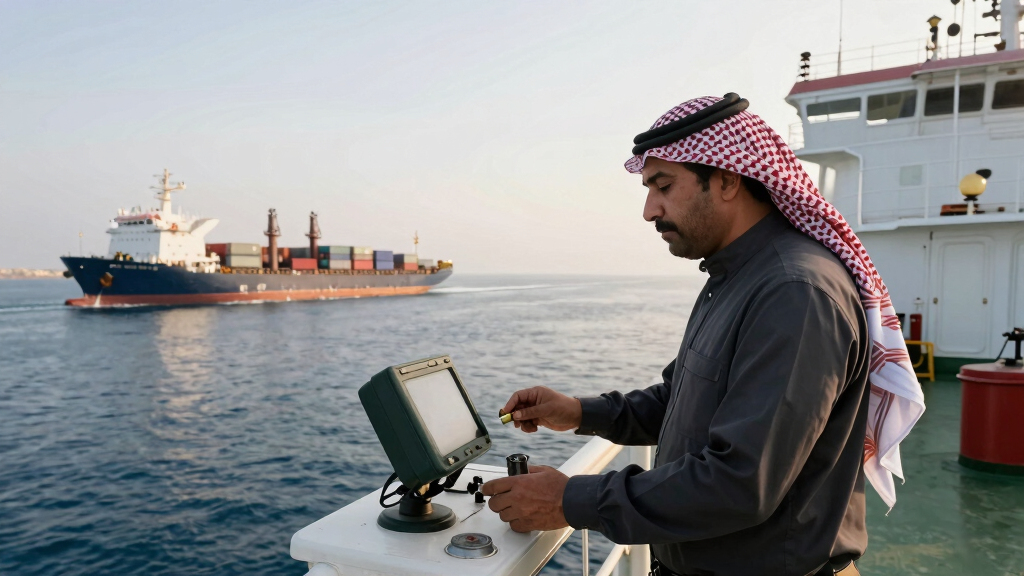
Since the U.S. and Iran reached a deal aimed at easing sanctions and restoring diplomatic ties, Saudi Arabia has increased the volume of its oil exports passing through the Strait of Hormuz, a critical chokepoint for global oil shipments. Shipping data analyzed by industry experts shows a marked rise in tanker traffic carrying Saudi crude through this strategic waterway.
Officials from Saudi Aramco declined to comment directly on the increase, but industry sources confirmed the surge in shipments. The move appears to be a strategic decision by Saudi authorities, possibly aimed at stabilizing their oil exports amid regional tensions and shifting geopolitical dynamics.
Analysts suggest this increase could be a response to the U.S.-Iran deal, which might reduce hostilities in the region, thereby allowing for more predictable and secure shipping routes. However, the exact volume and future trajectory of these shipments remain uncertain and subject to regional developments.
Implications for Regional Stability and Global Oil Markets
The increase in Saudi oil shipments through the Strait of Hormuz could influence global oil prices and supply stability. It signals a potential shift in regional cooperation and strategic posture, especially as tensions between Iran and Western countries evolve. For global markets, this development may mean more reliable oil exports from the Gulf region, but it also raises questions about future security and geopolitical risks in the Strait.
For policymakers and industry stakeholders, understanding Saudi Arabia’s export strategies in this period is crucial, as it could affect energy security and regional diplomacy in the coming months.
As an affiliate, we earn on qualifying purchases.
Recent U.S.-Iran Deal and Regional Oil Transit Dynamics
In late March 2024, the U.S. and Iran announced a deal aimed at easing sanctions and restoring diplomatic relations, which has been viewed as a potential step toward reducing regional tensions. Historically, the Strait of Hormuz has been a flashpoint for conflicts and disruptions, with Iran’s proximity and influence over the waterway making it a strategic focal point for global oil transit.
Saudi Arabia, as a leading oil producer and exporter, has maintained a cautious approach to regional tensions. The recent uptick in shipments through the Strait follows a period of relative restraint, suggesting a recalibration of its export policies in response to changing geopolitical circumstances.
Prior to this, Saudi shipments through the Strait had been steady but not increasing significantly. The current surge marks a notable change, with analysts noting it could be linked to the broader regional détente following the U.S.-Iran agreement.
“We are adjusting our export routes based on regional developments; this is a normal part of managing our energy supplies.”
— Saudi official, on condition of anonymity
Unconfirmed Details About Shipment Volumes and Future Plans
It is not yet clear how sustained the increase in shipments will be or whether Saudi Arabia plans to further escalate its exports through the Strait of Hormuz. The exact volume of oil passing through the waterway remains under analysis, and regional tensions could still influence future movements. Additionally, Iran’s response and potential disruptions are still unknown, adding uncertainty to the stability of these transit routes.
Monitoring Regional Tensions and Saudi Export Strategies
Authorities and market analysts will closely watch Saudi Arabia’s oil shipment data over the coming weeks to assess whether this increase is a temporary adjustment or part of a broader strategic shift. Further diplomatic developments involving Iran, the U.S., and Gulf states could significantly influence the trajectory of these shipments. Industry stakeholders will also evaluate the impact on global oil prices and supply security.
Key Questions
Why has Saudi Arabia increased oil shipments through the Strait of Hormuz?
Saudi Arabia appears to be adjusting its export routes in response to the recent U.S.-Iran deal and regional developments, possibly aiming to stabilize its oil exports and reduce geopolitical risks.
Could this increase lead to regional tensions?
While the current increase suggests a strategic shift, the Strait of Hormuz remains a sensitive area. Any future escalation or disruption could impact regional stability and global oil supplies.
What does this mean for global oil prices?
If the increase in shipments is sustained, it could lead to greater supply stability, potentially easing oil prices. Conversely, uncertainties could cause volatility depending on regional security and diplomatic outcomes.
Is Iran involved in this increased shipping activity?
There is no confirmed evidence of Iran’s direct involvement in the surge, but regional dynamics suggest Iran’s actions and responses will influence future developments.
What should consumers and markets watch for next?
Markets should monitor shipment volumes, regional diplomatic signals, and any potential disruptions in the Strait of Hormuz as indicators of future supply stability.
Source: google-trends