This guide helps travelers choose the right compact backpack and pack it efficiently for trips lasting up to a few days. It’s ideal for those seeking a lightweight, organized, and comfortable carry-on solution. Whether you’re a frequent traveler or planning a weekend getaway, follow these steps to make the most of your backpack’s space and ensure a smooth journey.

Get travel and outdoor gear delivered free with Prime
- Fast, free delivery on millions of items
- Prime Video, Amazon Music and more included
- Member-only deals all year

Taygeer Travel Laptop Backpack for Men, Airline Approved
- ✔ Dimensions: 16.8 x 11 x 7 inches
- ✔ Weight: 0.79 kg (1.74 lbs)
- ✔ Laptop Size Compatibility: up to 15.6 inches
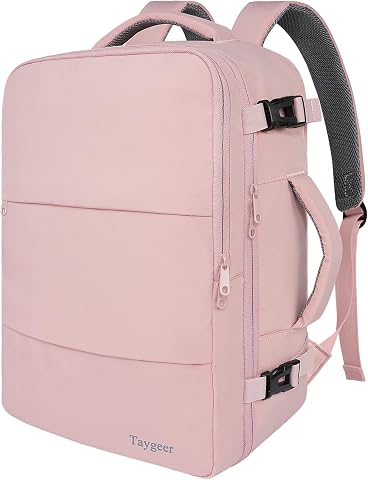
Taygeer Travel Backpack for Women, TSA Carry-On Approved
- ✔ Dimensions: 16.8 x 11 x 7 inches
- ✔ Weight: 0.79 kg (1.74 lbs)
- ✔ Laptop Capacity: 15.6 inches
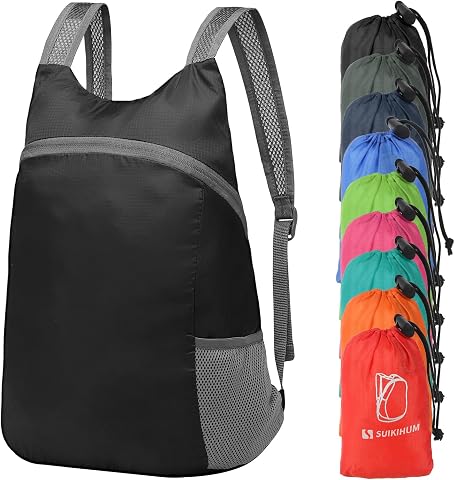
Ultra Lightweight Hiking Daypack Foldable Travel Backpack
- ✔ Capacity: 20L
- ✔ Weight: 2.3 ounces
- ✔ Folded Dimensions: 8.6 x 3.1 x 1.06 inches
Difficulty: Intermediate | Time: 30-45 minutes
What You’ll Need
Tools & Materials:
- Measuring tape
- Packing cubes or organizers
- Travel essentials (clothing, toiletries, electronics)
Knowledge:
- Basics of packing efficiently
- Understanding personal travel needs
Prepare a list of your trip essentials before starting to ensure you pack only what’s necessary. Measure your clothing if needed to optimize space, and select a backpack with appropriate capacity (typically 20-40 liters for compact travel).
Taygeer Travel Laptop Backpack for Men, Airline Approved
This backpack stands out for its **large capacity and multiple compartments**, making it perfect for travelers who need to stay organized. It includes a dedicated laptop pocket, a shoe bag, and a wet pocket, offering versatility for both business trips and casual travel. Compared with the other models, its **size and organizational features** make it more suitable for travelers carrying multiple essentials. However, its size may be too large for minimalists, and it’s limited in color options. The lightweight, water-resistant design and convertible straps add to its appeal for those seeking a balance of capacity and convenience.
Pros:
- Large capacity with multiple compartments
- Includes shoe bag and wet pocket for added convenience
- Lightweight and airline approved for carry-on
- Convertible design with padded straps and luggage strap
Cons:
- May be too large for minimalistic travelers
- Limited color options (only black)
Best for: Travelers who need organized packing for business or extended trips
Not ideal for: Minimalists or travelers seeking ultra-lightweight options
Bottom line: A highly organized, airline-approved backpack ideal for travelers who prioritize capacity and versatility.
“A highly organized, airline-approved backpack ideal for travelers who prioritize capacity and versatility.”
Taygeer Travel Backpack for Women, TSA Carry-On Approved
This model is designed with convenience in mind, offering a **large capacity with multiple compartments**, including a shoe bag and wet pocket, similar to the men’s version but tailored for women’s travel needs. Its standout feature is the **TSA carry-on approval**, making it a solid choice for frequent flyers. Compared to the men’s version, it adds the benefit of padded handles and a more versatile carry style, which enhances ease of use. Its size might be too large for short trips or minimalists, and the multiple compartments can add weight when fully packed. Nonetheless, it’s an excellent all-around choice for organized travel with style options in water-resistant fabric.
Pros:
- TSA carry-on approved and fits airline requirements
- Multiple compartments, including shoe and wet pockets
- Convertible between backpack and handbag styles
- Water-resistant material
Cons:
- May be too large for minimalists or short trips
- Heavy when fully packed
- Limited color options
Best for: Frequent travelers who need TSA-friendly, organized packing
Not ideal for: Minimalists or short-trip travelers who prefer lighter packs
Bottom line: Ideal for organized, TSA-approved travel with versatile carrying options, especially for frequent flyers.
“Ideal for organized, TSA-approved travel with versatile carrying options, especially for frequent flyers.”
Ultra Lightweight Hiking Daypack Foldable Travel Backpack
This ultra-lightweight pack is a stark contrast to the larger Taygeer options, focusing on portability and outdoor utility. Its **20L capacity** is modest but sufficient for day trips, hiking, or cycling. The **foldable design** allows it to compress into a pocket-sized form, making it perfect for packing into larger luggage or carrying as an emergency backup. Its water-resistant polyester fabric and breathable straps make it suitable for outdoor use, but it sacrifices internal organization and heavy load capacity for minimalism. Compared with the Taygeer models, it’s less suited for carrying multiple gadgets or business essentials but excels in lightweight convenience and outdoor durability.
Pros:
- Folds into a compact size for storage
- Lightweight at just 2.3 ounces
- Water-resistant, durable fabric
- Breathable straps for comfort
Cons:
- Limited internal organization features
- Not designed for heavy or bulky loads
- Minimalist design may not suit all needs
Best for: Outdoor enthusiasts needing a compact, foldable pack for day trips
Not ideal for: Travelers requiring extensive organization or carrying heavy loads
Bottom line: The best choice for outdoor adventurers seeking ultra-light, packable convenience without extensive organization.
“The best choice for outdoor adventurers seeking ultra-light, packable convenience without extensive organization.”
As an Amazon Associate we earn from qualifying purchases.
Before You Start
Choose a backpack that fits airline cabin size restrictions if planning to carry it on. Clear your current belongings to avoid mixing packed items with unneeded possessions. Confirm your trip duration and activities to tailor your packing list accordingly.
Step-by-Step Instructions
Step 1: Select the right backpack
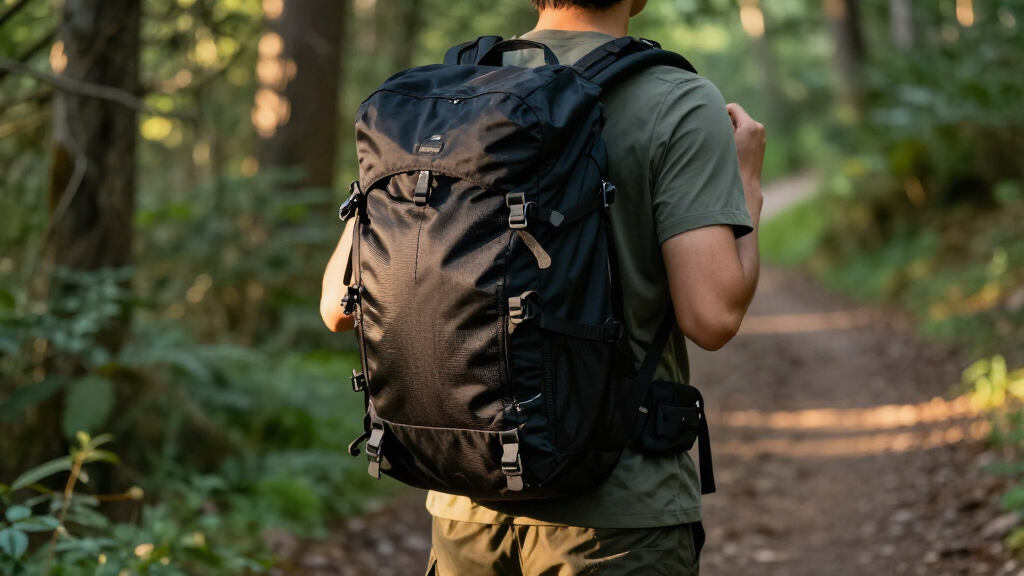
Choose a backpack with a capacity of 20-40 liters, lightweight materials, and multiple compartments. Ensure it has comfortable shoulder straps, a padded back panel, and meets airline carry-on size restrictions if applicable.
Tip:Try on different models wearing your typical travel clothing to assess comfort. Check reviews for durability and functionality.
Check: The backpack fits comfortably on your back with straps adjusted; it feels manageable and not bulky.
Step 2: Gather your essentials
Create a list of clothing, toiletries, electronics, and other items based on your trip duration and activities. Prioritize versatile clothing that can mix and match.
Tip:Use packing cubes or compression bags to organize and condense clothing items, saving space and maintaining order.
Check: You have a complete, concise list of essentials that fit within your backpack’s capacity, with room left for organization.
Step 3: Lay out all items before packing
Spread out your essentials on a flat surface to review and confirm they are necessary and appropriate for your trip.
Tip:This step helps identify duplicates or unnecessary items, reducing overpacking.
Check: Having a visual overview confirms you’re not overpacking and all items are essential.
Step 4: Pack clothing efficiently
Roll clothing tightly or fold using packing techniques to maximize space. Place heavier items at the bottom near the backpack’s base.
Tip:Use packing cubes to keep items organized and prevent shifting during travel.
Check: Clothing is compactly packed, evenly distributed, and easily accessible without overstuffing the backpack.
Step 5: Organize toiletries and small items
Place toiletries in a waterproof toiletry bag or pouch. Use smaller organizers for accessories like chargers, sunglasses, or jewelry.
Tip:Keep liquids in sealed plastic bags to prevent leaks, and place them at the top or in side compartments for quick access.
Check: Small items are grouped logically, and toiletries are secure and leak-proof.
Step 6: Pack electronics and valuables
Place electronics, chargers, and valuables in easily accessible compartments or pockets for quick retrieval during security checks.
Tip:Use cable organizers to prevent tangling and protect fragile devices with padded sleeves or cases.
Check: Electronics and valuables are safely packed, with easy access for security and travel needs.
Step 7: Fill remaining space with miscellaneous items
Use any remaining space for small, flat items like documents, snacks, or a lightweight jacket. Avoid overstuffing to maintain comfort.
Tip:Keep frequently accessed items near the top or in external pockets for convenience.
Check: The backpack is fully packed but not overfilled, maintaining a balanced weight and shape.
Step 8: Secure and check the fit
Close all zippers, tighten straps, and try on the backpack again to confirm comfort and balance. Adjust straps as needed.
Tip:Ensure the backpack feels comfortable on your shoulders without strain, and weight is evenly distributed.
Check: The backpack feels stable and manageable, with no strain on shoulders or back during wear.
Common Mistakes to Avoid
- Overpacking and exceeding capacity — Stick to your essentials list; use packing cubes to condense items; prioritize multi-use clothing.
- Packing items loosely or unevenly — Roll or fold tightly; distribute weight evenly; fill gaps with small items.
- Forgetting important items or valuables — Create a checklist; pack electronics, documents, and valuables in accessible compartments.
- Choosing an unsuitable backpack size — Measure your clothing and check airline restrictions before selecting a backpack.
Troubleshooting
Problem: Backpack feels too heavy or unbalanced after packing
Solution: Adjust shoulder straps, redistribute heavier items towards the center or bottom, and remove non-essential items.
Problem: Zippers won’t close or zip smoothly
Solution: Check for caught items or fabric; make sure items are packed evenly; avoid overstuffing.
Problem: Items shift during travel, causing disorganization
Solution: Use packing cubes or pouches to secure items; pack heavier items at the bottom.
Problem: Backpack exceeds airline size limits
Solution: Measure the packed backpack; remove non-essential items or switch to a smaller model.
What Success Looks Like
The backpack is fully packed with essentials, fitting within size limits, comfortably worn, with organized compartments and no overstuffing. It feels balanced, and all items are accessible without difficulty.
Next Steps
Periodically review your packing list for future trips to refine what you carry. Clean and maintain your backpack after each trip, and replace items that wear out. When traveling again, repeat the packing process with your optimized list.
Frequently Asked Questions
How do I choose the right size for a travel backpack?
Select a backpack between 20-40 liters based on your trip length and packing style. Measure your clothing and essentials to ensure they fit comfortably without overstuffing. Check airline carry-on size limits if flying.
What are the best packing techniques for saving space?
Use rolling instead of folding clothing, employ packing cubes or compression bags, and pack heavier items at the bottom to optimize space and balance.
How can I keep my backpack organized during travel?
Group similar items into pouches or cubes, keep frequently used items in external or top compartments, and avoid overpacking to prevent shifting and clutter.
What features should I look for in a travel backpack?
Look for lightweight materials, multiple compartments, padded straps, a padded back panel, and size compatibility with airline carry-on restrictions.
Fall Picks
fall essentials
As an affiliate, we earn on qualifying purchases.