

TL;DR

Get travel and outdoor gear delivered free — and shop member deals
- Fast, free delivery on millions of items
- Access to Prime Big Deal Days deals on October 6–7
- Prime Video, Amazon Music and more included
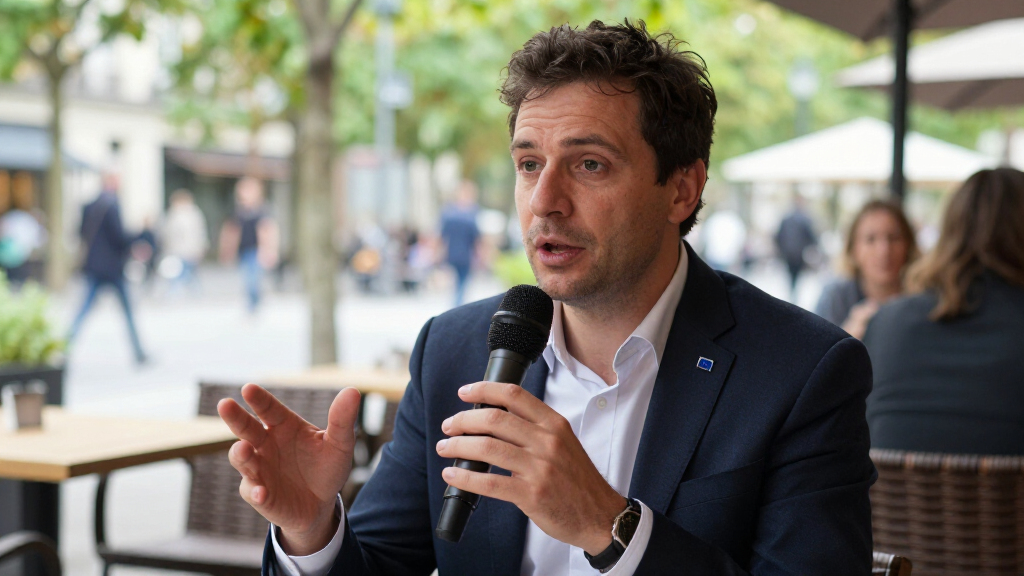
European Commissioner Dombrovskis spoke at the informal ECOFIN press conference, addressing economic challenges and policy priorities. The remarks signal ongoing concerns about EU economic stability and reform efforts, with some details still emerging.
European Commissioner for Economy Valdis Dombrovskis outlined key concerns and policy priorities during his remarks at the informal ECOFIN press conference, emphasizing the need for resilience amid economic uncertainties within the EU. The comments come as interest in EU economic stability and reform efforts rises across financial markets and policymaker circles.
During the press conference, Commissioner Dombrovskis highlighted ongoing challenges facing the EU economy, including inflationary pressures, supply chain disruptions, and fiscal sustainability. He reaffirmed the EU’s commitment to fiscal discipline while stressing the importance of targeted investments to foster growth and resilience.
He also discussed the EU’s recent policy initiatives, including measures to strengthen financial stability and support sustainable growth. Dombrovskis noted that the EU is closely monitoring economic indicators and remains committed to coordinating responses among member states to mitigate risks.
While specific policy decisions were not announced, Dombrovskis underscored the importance of structural reforms aimed at boosting productivity and competitiveness, especially in the context of geopolitical tensions and energy market volatility. Remarks by Commissioner Albuquerque. He emphasized that the EU must adapt to new economic realities while safeguarding fiscal responsibility.
Implications of Dombrovskis’ Remarks for EU Economic Policy
The remarks signal that the EU is actively assessing economic vulnerabilities and considering policy adjustments to maintain stability. Dombrovskis’ emphasis on resilience and reform underscores ongoing priorities for EU policymakers amid uncertain global economic conditions. Market watchers and member states are likely to interpret these comments as a sign of cautious vigilance and readiness to respond to emerging risks.
Furthermore, the focus on structural reforms and sustainable growth aligns with broader EU strategies, including the Green Deal and digital transformation initiatives. The comments may influence upcoming policy debates and budget allocations, especially as economic data continues to evolve.
EU economic stability investment books
As an affiliate, we earn on qualifying purchases.
As an affiliate, we earn on qualifying purchases.
Background of EU Economic Policy and Recent Developments
The European Union has been navigating a complex economic landscape marked by inflation, energy price volatility, and geopolitical tensions, notably the Russia-Ukraine conflict. Recent EU policy efforts have centered on stabilizing markets, supporting member states’ fiscal measures, and advancing structural reforms to enhance competitiveness.
Interest in EU economic outlook has surged amid signs of slowing growth and inflationary pressures, prompting discussions among policymakers about future measures. The informal ECOFIN meeting provides a platform for ministers and officials to exchange views on these issues without the formal constraints of official summits.
While no major policy announcements have been made during this event, the focus remains on resilience, fiscal discipline, and strategic investments, reflecting ongoing priorities within the EU’s economic governance framework.
Unconfirmed Aspects of EU Economic Outlook and Policy Response
It remains unclear whether the EU will soon introduce new fiscal or monetary measures in response to current economic pressures. Specific policy decisions or reforms have not been publicly detailed, and the timing of any potential actions is uncertain.
Additionally, the impact of geopolitical tensions and energy market developments on the EU’s economic outlook is still evolving, and officials have not provided definitive forecasts or contingency plans.
Next Steps in EU Economic Policy and Monitoring
The European Commission is expected to publish its upcoming economic forecasts and policy assessments in the coming weeks, which will clarify the direction of EU economic strategy. Member states will continue discussions during upcoming formal ECOFIN meetings, where specific policy proposals may be considered.
Market participants and analysts will monitor official statements and economic data releases for signs of policy shifts or additional support measures aimed at stabilizing the EU economy.
Key Questions
Did Dombrovskis announce new EU economic policies?
No, Dombrovskis did not announce specific new policies during the press conference. His remarks focused on ongoing concerns and the importance of resilience and reforms.
What are the main economic challenges facing the EU right now?
Key challenges include inflation, supply chain disruptions, energy market volatility, and geopolitical tensions affecting stability and growth prospects.
Will the EU implement new fiscal measures soon?
It is not yet clear whether new fiscal measures will be introduced. The European Commission is currently monitoring the situation and will decide based on upcoming economic data and assessments.
How might these remarks influence EU policy in the coming months?
The emphasis on resilience and reforms suggests a continued focus on structural adjustments, with potential policy responses depending on economic developments and member state discussions.
Are there any specific reforms mentioned during the conference?
No specific reforms were detailed; the emphasis was on the general importance of structural reforms to support growth and resilience.
Source: primary
Evergreen bestsellers Picks
bestsellers
As an affiliate, we earn on qualifying purchases.