


To improve your sleep hygiene, stick to a consistent sleep schedule, going to bed and waking up at the same times each day. Create a calming environment by dimming lights and avoiding screens before bed. Stay away from caffeine and heavy meals near bedtime, and try relaxation techniques like deep breathing or stretching. Understanding your sleep cycles can help you wake refreshed. Keep exploring these tips to unfasten the full benefits of quality sleep and better health.
Key Takeaways
- Maintain a consistent sleep schedule to regulate your internal clock and improve sleep quality.
- Create a calming bedtime environment free of screens, bright lights, and heavy meals to facilitate better sleep onset.
- Avoid caffeine, alcohol, and stimulating activities before bedtime to prevent sleep disruptions.
- Incorporate relaxation techniques like deep breathing or gentle stretching to ease into restful sleep.
- Prioritize sleep quality by aligning wake-up times with natural sleep cycles for optimal refreshment.

Have you ever wondered why sleep is often called the foundation of good health? It’s because during sleep, your body and mind undergo essential processes that keep you functioning at your best. One key aspect of sleep is understanding sleep cycles. These cycles typically last about 90 minutes and consist of different stages, including light sleep, deep sleep, and REM sleep. Each stage serves a unique purpose, from restoring physical energy to consolidating memories. When your sleep aligns well with these cycles, you wake up feeling refreshed and alert. But if sleep is fragmented or disrupted, you might find yourself groggy, even after a full night’s rest. Paying attention to your sleep cycles helps you optimize your sleep quality. For example, aiming to wake up at the end of a cycle rather than in the middle can make a significant difference in how rested you feel. Some people even use apps or alarms designed to detect these cycles and wake them at the most opportune moment.
Another intriguing aspect of sleep is dream analysis, which can give you insight into your subconscious mind. While dreaming during REM sleep, your brain processes emotions, memories, and unresolved issues, often manifesting as vivid dreams. Keeping a dream journal can help you track recurring themes or symbols that might reveal underlying feelings or concerns. This practice not only enhances your self-awareness but also promotes better sleep hygiene by reducing anxiety or stress that might interfere with rest. If you notice troubling dreams or nightmares, addressing the root causes—such as stress or unresolved conflicts—can help improve your sleep quality. Dream analysis isn’t just about understanding your nighttime stories; it’s a tool to connect with your inner self and foster emotional well-being. Additionally, understanding your sleep cycles can help you tailor your routines for optimal rest and recovery.
To support healthy sleep cycles and encourage meaningful dreams, establish a consistent sleep schedule. Going to bed and waking up at the same time every day helps regulate your internal clock, making sleep more restorative. Avoid caffeine, heavy meals, and screens close to bedtime, as these can interfere with your natural sleep rhythm. Create a calming environment, perhaps with dim lighting and a comfortable mattress, to signal to your brain that it’s time to wind down. Prioritize relaxation techniques like deep breathing or gentle stretching to ease into sleep. Remember, good sleep hygiene isn’t just about quantity but quality—understanding your sleep cycles and embracing dream analysis can turn your nightly rest into a powerful tool for overall health and emotional resilience.
sleep cycle alarm clock
As an affiliate, we earn on qualifying purchases.
As an affiliate, we earn on qualifying purchases.
Frequently Asked Questions
How Does Sleep Affect Mental Health Long-Term?
Sleep deprivation can seriously impact your mental health over time, reducing your mental resilience and increasing anxiety or depression risks. When you don’t get enough sleep, your brain struggles to regulate emotions and process stress effectively. Consistently poor sleep weakens your mental defenses, making it harder to cope with daily challenges. Prioritizing good sleep helps maintain your mental health, boosts resilience, and supports a more balanced, positive mindset long-term.
Can Naps Replace Nightly Sleep Effectively?
Sure, napping benefits are undeniable, but think of it as a charming sidekick, not a replacement for nightly sleep. Relying solely on naps, especially mismatched nap timing, can disrupt your sleep cycle and leave you groggy. While short naps boost alertness, they can’t fully substitute the restorative power of consistent, quality sleep. So, embrace naps as a bonus, not a bedtime stand-in.
What Role Does Diet Play in Sleep Quality?
Diet plays a significant role in sleep quality by influencing digestion and overall comfort. You should pay attention to nutrient timing, avoiding heavy meals close to bedtime, as they can disrupt sleep. Eating balanced foods rich in magnesium and tryptophan can promote relaxation. Proper digestion guarantees your body isn’t working overtime at night, helping you fall asleep faster and enjoy more restful sleep.
How Does Technology Impact Sleep Hygiene?
Think of technology as a double-edged sword, shaping your sleep like a gardener tending delicate plants. Blue light exposure from screens suppresses melatonin, making it harder to fall asleep. Social media effects can keep your mind racing, preventing restful nights. To protect your sleep hygiene, limit screen time before bed, use blue light filters, and create a tech-free zone to wind down. Prioritize your sleep, and your body will thank you.
Are Sleep Aids Safe for Regular Use?
Sleep medication can help you fall asleep faster, but using it regularly might lead to dependency risks. You should be cautious and consult your doctor before making sleep aids part of your routine. Over time, your body can become reliant on them, reducing natural sleep quality. Consider exploring other sleep hygiene tips first, like maintaining a consistent schedule or reducing screen time, to improve your sleep safely and effectively.
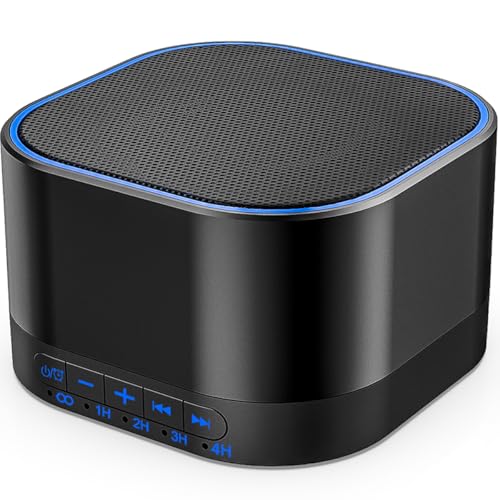
Magicteam Sound White Noise Machine with 20 Non Looping Natural Soothing Sounds and Memory Function 32 Levels of Volume Powered by AC or USB and Sleep Sound Timer Therapy for Baby Kids Adults
❤20 Non-Looping Sleep Sounds: White noise ,Brown noise, pink noise, blue noise, fan,brook, rain, ocean,bird and Bonfire,suitable for…
As an affiliate, we earn on qualifying purchases.
As an affiliate, we earn on qualifying purchases.
Conclusion
Getting enough quality sleep isn’t just about feeling rested; it’s about taking care of your overall health. By establishing a consistent routine, creating a relaxing environment, and avoiding screens before bed, you set yourself up for success. So, why settle for restless nights when better sleep is within your reach? Imagine waking up refreshed and ready to conquer the day—your best self starts with good sleep habits. Are you ready to make sleep a priority?
sleep mask for better sleep
As an affiliate, we earn on qualifying purchases.
As an affiliate, we earn on qualifying purchases.
relaxation and meditation sleep aid
As an affiliate, we earn on qualifying purchases.
As an affiliate, we earn on qualifying purchases.