
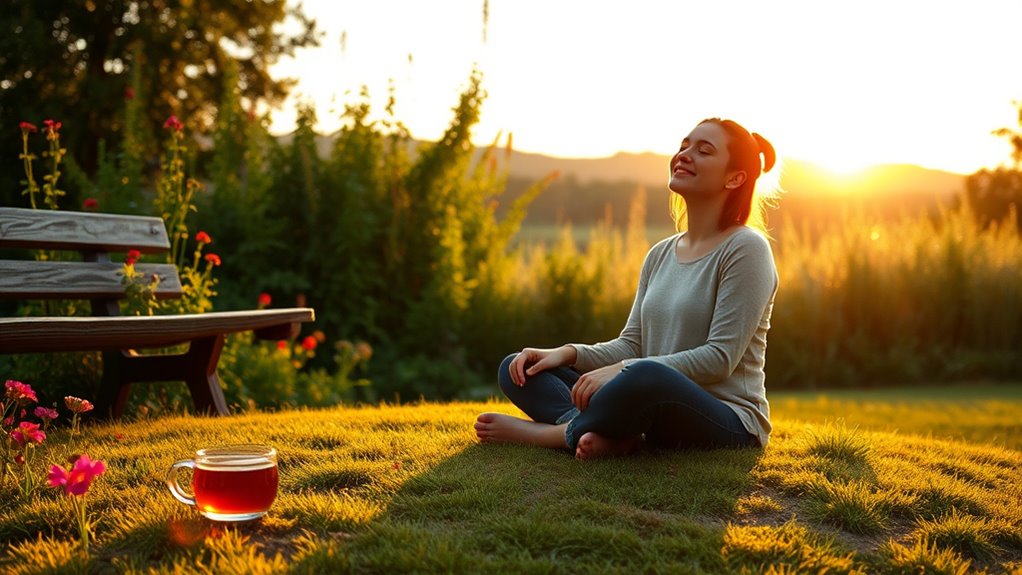

Practicing gratitude can greatly improve your mental health by shifting your focus toward positive experiences, which helps reduce stress, anxiety, and depression. It encourages an optimistic outlook and rewires neural pathways associated with happiness and contentment. Incorporating simple activities like journaling or mindful reflection takes minimal effort but offers lasting benefits. As you continue exploring, you’ll discover even more ways gratitude can strengthen your emotional well-being and bring lasting joy.
Key Takeaways
- Practicing gratitude shifts focus from negativity to positive experiences, enhancing overall mental well-being.
- Regular gratitude exercises reduce anxiety and depression by fostering positive reframing and emotional resilience.
- Mindfulness-based gratitude practices help individuals stay present and recognize moments of gratitude even during stress.
- Engaging in gratitude activities strengthens neural pathways associated with happiness, hope, and satisfaction.
- Gratitude practices are simple, accessible, and promote feelings of connection, boosting mental health with minimal effort.
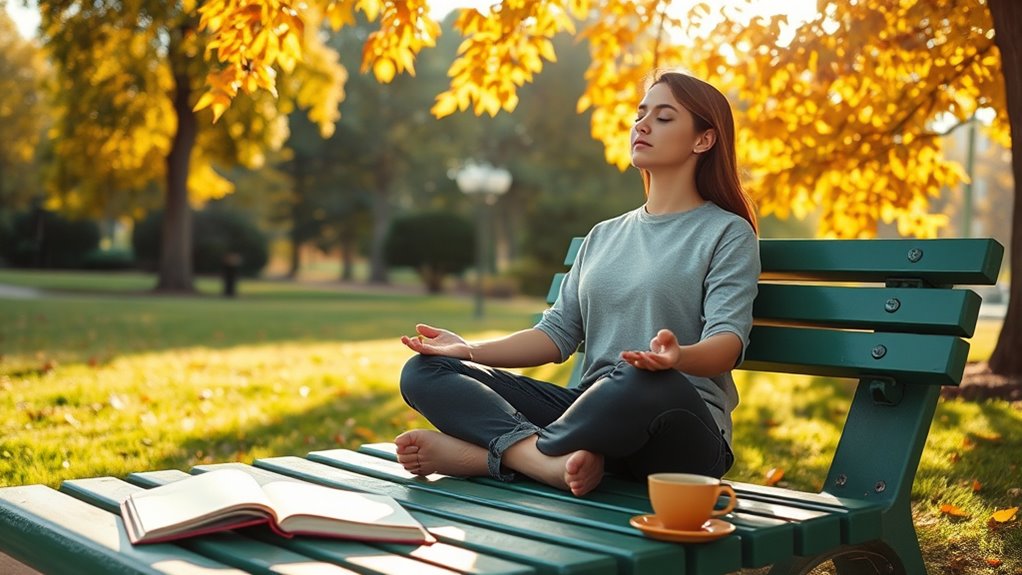
Have you ever wondered how a simple shift in your mindset can boost your mental health? Practicing gratitude isn’t just about saying thank you; it’s a powerful tool that can transform how you perceive and respond to life’s challenges. When you incorporate gratitude practices into your daily routine, you start cultivating a more positive outlook, which directly impacts your mental well-being. One effective way to do this is by integrating mindfulness techniques—being fully present and aware of what you’re experiencing in the moment. Mindfulness helps you notice moments of gratitude, even in difficult situations, reinforcing your emotional resilience. As you become more mindful, you learn to acknowledge your feelings without judgment, creating a space to appreciate the good around you. This habit of recognizing and savoring positive experiences builds emotional resilience, allowing you to bounce back more quickly from setbacks.
Practicing gratitude and mindfulness boosts resilience and transforms your response to life’s challenges.
By regularly practicing gratitude, you begin to shift your focus away from negativity and stress, which often dominate mental health struggles. Instead of dwelling on what’s wrong or what you lack, you start noticing the small, meaningful moments—like a kind word, a beautiful sunset, or a moment of peace. Over time, this reframe encourages a more optimistic perspective, reducing feelings of anxiety and depression. When you actively choose to focus on gratitude, you’re training your brain to seek out positives, which rewires neural pathways linked to happiness and contentment. This process strengthens your emotional resilience, making it easier to handle future stressors with a calmer, more balanced mind. Additionally, understanding dream symbolism can provide insights into subconscious feelings and unresolved issues, further supporting emotional healing.
Moreover, gratitude practices don’t require extensive time or effort. Simple activities like keeping a gratitude journal, taking a moment each day to reflect on what you’re thankful for, or mentally noting positive aspects during stressful times can make a big difference. These practices foster a sense of connection and appreciation, which are essential for mental health. As you consistently engage in gratitude exercises, you’ll likely notice a decrease in negative thought patterns and an increase in feelings of hope and satisfaction. This shift doesn’t just improve your mood; it enhances your overall mental resilience, empowering you to face life’s ups and downs with greater strength and clarity.
In essence, integrating gratitude into your daily life through mindfulness techniques can serve as a foundation to build emotional resilience. It’s a simple yet effective way to nurture your mental health, helping you remain grounded and optimistic regardless of circumstances. By consciously choosing gratitude, you take control of your mental landscape, fostering a more resilient, joyful, and mentally healthy version of yourself.
gratitude journal for mental health
As an affiliate, we earn on qualifying purchases.
As an affiliate, we earn on qualifying purchases.
Frequently Asked Questions
Can Gratitude Improve Mental Health for Everyone Equally?
You might wonder if gratitude helps everyone’s mental health equally. The truth is, individual differences and cultural perspectives influence how effective gratitude practices are for you. Some people may find it boosts their mood markedly, while others might not see the same benefits. Your background, personality, and beliefs shape how gratitude impacts you. So, while it can be powerful, it doesn’t work the same way for everyone.
How Long Does It Take to See Mental Health Benefits From Gratitude?
Imagine planting a seed—you won’t see a flower overnight. Similarly, your mental health benefits from gratitude can appear within a few weeks, but timing expectations vary. Some notice improvements in just a couple of weeks, while others take longer. Consistent practice boosts measurable outcomes over time, so stay patient. Regular gratitude exercises build a more positive outlook steadily, with noticeable shifts often emerging in about 3-4 weeks.
Are There Specific Gratitude Exercises Most Effective for Anxiety?
You can effectively reduce anxiety by trying specific gratitude exercises like gratitude journaling and mindful gratitude exercises. With gratitude journaling, write down things you’re thankful for each day to shift focus away from worries. Mindful gratitude exercises, such as pausing to appreciate the present moment, help calm your mind. Regular practice of these exercises can boost your mood and lower anxiety levels, making a noticeable difference over time.
Can Gratitude Practices Replace Traditional Mental Health Treatments?
You might wonder if gratitude practices can replace traditional mental health treatments. While gratitude therapy boosts emotional resilience and helps manage anxiety, it shouldn’t replace professional care when needed. Incorporating gratitude exercises can complement treatments, fostering a positive outlook and stronger resilience. However, for serious mental health issues, it’s crucial to seek guidance from a mental health professional, as they provide thorough support beyond gratitude practices alone.
How Do Cultural Differences Influence Gratitude and Mental Health?
You might believe gratitude is universal, but cultural expressions shape how you experience and express gratitude. Emotional differences across cultures influence whether gratitude feels more outwardly expressed or internally felt. These cultural nuances can affect how gratitude impacts your mental health, making it vital to take into account your background. Recognizing these differences helps you understand that gratitude’s role varies, and embracing your cultural context can enhance your emotional well-being.
Conclusion
So, here’s the irony: the more you focus on what you’re thankful for, the less stressed and lonely you feel—yet many still overlook this simple trick. Practicing gratitude costs nothing but offers everything. It’s almost funny how a tiny shift in perspective can make such a big difference in your mental health. So, why not give gratitude a real shot? After all, it might just be the one thing that saves you from yourself.