
You can easily create DIY smart home automations like voice-controlled lighting, energy monitoring, or task routines without complex wiring or professional help. Using simple devices such as smart outlets, bulbs, and voice assistants, you’ll gain control over your environment while boosting energy efficiency and safety. Many projects come with step-by-step instructions, making setup accessible for beginners. Keep exploring to discover more practical ways to transform your home into a smarter, more convenient space.

Get travel and outdoor gear delivered free — and shop member deals
- Fast, free delivery on millions of items
- Access to Prime Big Deal Days deals on October 6–7
- Prime Video, Amazon Music and more included
Key Takeaways
- Use smart plugs and outlets to monitor and control energy consumption with simple, DIY installation.
- Integrate voice assistants like Alexa or Google Assistant for hands-free device control and automation.
- Create routines that turn multiple devices on/off simultaneously to save energy and enhance convenience.
- Install motion sensors or door/window sensors for automated lighting and security alerts.
- Follow step-by-step guides for setting up automated schedules to optimize device usage and reduce waste.
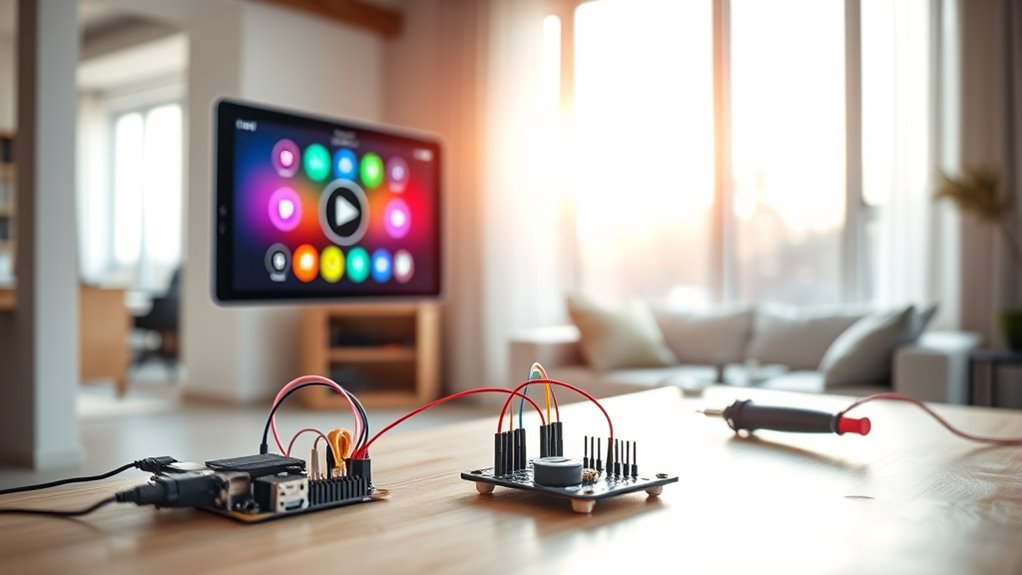
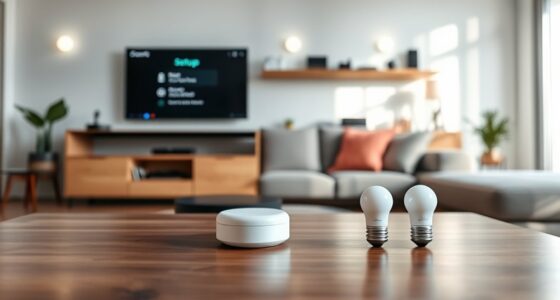
Have you ever considered transforming your home into a smarter, more efficient space on your own? With just a few simple tools and a bit of know-how, you can create DIY smart home projects that make everyday living more convenient and energy-efficient. One of the easiest ways to start is by integrating voice control. By setting up a voice assistant like Amazon Alexa or Google Assistant, you can control lights, appliances, and even your thermostat with a simple voice command. This doesn’t require complicated wiring or professional installation—many smart devices are designed for easy DIY setup. Once connected, you’ll find that turning on the lights, playing music, or checking the weather becomes hands-free, adding convenience to your daily routine.
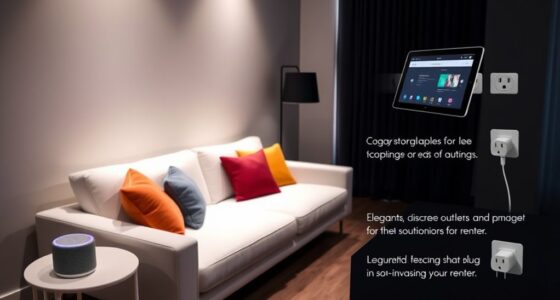
Another powerful feature you can incorporate is energy monitoring. Installing smart outlets or plugs allows you to track how much energy your devices consume in real time. This insight helps you identify energy hogs and adjust your habits accordingly, reducing utility bills and your carbon footprint. Many energy monitoring devices are designed for DIY installation; they plug directly into your existing outlets, and the corresponding app provides detailed usage data. With this information, you can set schedules or turn off devices remotely, ensuring you’re not wasting energy when you’re not home or when a device isn’t in use. It’s a simple upgrade that pays off over time, making your home more sustainable and cost-effective.
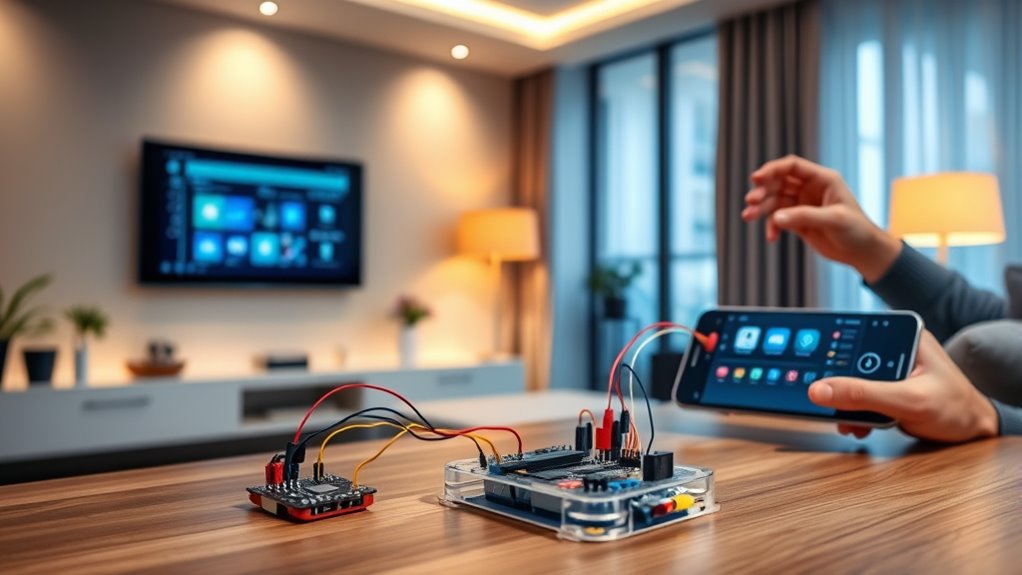
Additionally, smart home market growth and advancements in technology make it easier than ever to find affordable and user-friendly DIY solutions that enhance safety and comfort in your living space. Combining voice control with energy monitoring takes your smart home to the next level. Imagine walking into a room and saying, “Turn off all the gadgets,” while your voice assistant not only switches off your devices but also logs the energy savings. You can set up routines that automate this process, making your home smarter and more intuitive without the need for complex wiring or costly professional help. Plus, many DIY kits come with step-by-step instructions, making it accessible even if you’re a beginner.
smart plugs with energy monitoring
As an affiliate, we earn on qualifying purchases.
As an affiliate, we earn on qualifying purchases.
Frequently Asked Questions
What Are the Best Beginner-Friendly Smart Home Platforms?
When choosing a beginner-friendly smart home platform, look for options that offer easy setup and user-friendly interfaces. Platforms like Google Home or Amazon Alexa stand out because they support voice control and energy monitoring features, making automation straightforward. These systems allow you to control devices with your voice, monitor energy usage, and expand easily as you learn more about smart home tech. They’re perfect starting points for your automation journey.
How Much Does It Cost to Start DIY Smart Home Automation?
Imagine opening the door to a world where your home responds effortlessly to your needs. The cost to start DIY smart home automation varies, but with careful budget planning, you can build your smart space affordably. Basic kits can cost as little as $50, while more advanced setups reach a few hundred dollars. Cost considerations include devices, hubs, and apps, so plan accordingly to turn your home into a seamless, intelligent haven.
Are DIY Smart Home Projects Secure From Hacking?
You might wonder if your DIY smart home projects are secure from hacking. While they can be, you need to prioritize network security and device authentication. Use strong, unique passwords and keep your firmware updated regularly. Isolating your smart devices on a separate network can also reduce risks. By taking these precautions, you enhance your smart home’s security and protect your personal data against potential threats.
Can I Integrate DIY Projects With Existing Smart Devices?
Think of your smart home as a symphony waiting to harmonize. You can integrate DIY projects with existing devices, but watch out for compatibility challenges that might feel like tuning a mismatched instrument. Use custom integration techniques, like Home Assistant or Node-RED, to bridge gaps. With patience and the right tools, your DIY automations will blend seamlessly into your smart ecosystem, creating a harmonious digital melody.
What Tools and Materials Are Essential for DIY Smart Home Automation?
To get started with DIY smart home automation, you’ll need some hardware essentials like smart switches, sensors, and controllers. Make certain you follow safety precautions, such as turning off power before wiring and using insulated tools. A basic screwdriver, wire strippers, and a multimeter are also handy. These tools ensure a smooth setup while keeping you safe. Proper planning and safety are key to successful, hassle-free automation projects.
Conclusion
Ready to take control of your home? With these simple DIY smart home projects, you can create a more convenient, efficient space without breaking the bank. Whether it’s automating your lights or securing your doors, the possibilities are endless—and totally doable. Why not start today and enjoy the satisfaction of a smarter home you built yourself? After all, isn’t the best home the one you make uniquely yours?
Fall Picks
fall essentials
As an affiliate, we earn on qualifying purchases.