

To prevent seasickness, try herbal remedies like ginger or peppermint, which can soothe nausea naturally. Position yourself in the middle of the boat facing forward and fix your gaze on the horizon to reduce sensory conflicts. Increase fresh air intake and stay hydrated to ease discomfort. Wearing acupressure wristbands and taking over-the-counter antihistamines can also help. Combining these tips offers a stronger defense—scroll down to discover more proven strategies to keep seasickness at bay.
Key Takeaways
- Sit in the middle of the boat and face forward, focusing on the horizon to reduce sensory conflict.
- Use herbal remedies like ginger or peppermint, and consider acupressure wristbands for drug-free nausea relief.
- Ensure good ventilation and fresh air, and stay hydrated to minimize nausea symptoms.
- Avoid reading, focusing on nearby objects, or consuming greasy foods before and during the trip.
- Combine behavioral strategies with medications such as antihistamines for more effective seasickness prevention.

Have you ever experienced that dizzy, queasy feeling when sailing on the water? That sensation is common for many people, and it’s often caused by motion sickness. When your inner ear detects movement that your eyes don’t see, your brain gets confused, leading to nausea, dizziness, and sometimes vomiting. Fortunately, there are effective ways to prevent or reduce these symptoms before they take over. One natural approach that many find helpful involves herbal remedies. Certain herbs, like ginger and peppermint, have been used for centuries to settle an upset stomach and combat nausea. Ginger, in particular, has scientific backing for its anti-nausea properties. You can take ginger in various forms—fresh slices, tea, capsules, or candies—before you set sail to help your stomach stay calm. Peppermint tea or mints work similarly by relaxing your stomach muscles and soothing your digestive tract. Using herbal remedies is a gentle, drug-free option that many prefer, especially if you’re sensitive to medications or want to avoid side effects.
Herbal remedies like ginger and peppermint can naturally soothe motion sickness symptoms before sailing.
Beyond herbal remedies, there are practical steps you can take to minimize motion sickness. Sitting in the middle of the boat, where the motion is less intense, can make a significant difference. Facing forward and keeping your gaze fixed on the horizon helps your brain reconcile what your eyes see with what your body feels. Avoid reading, looking at screens, or focusing on nearby objects, as these activities can worsen symptoms by conflicting with your inner ear’s signals. Fresh air can also do wonders—if possible, stand outside or near an open window to breathe in cool, fresh air, which helps reduce nausea and makes you feel more grounded.
Staying hydrated is another key factor. Dehydration can intensify feelings of dizziness, so sip water regularly and avoid alcohol or heavy, greasy foods before and during your trip. Wearing acupressure wristbands has gained popularity among travelers, as they apply gentle pressure to specific points on your wrists that are believed to relieve nausea. While scientific evidence varies, many users report positive effects. It’s worth trying if you’re prone to seasickness and want a non-invasive, drug-free method.
Finally, consider taking over-the-counter medications like antihistamines—dimenhydrinate or meclizine—which are proven to prevent motion sickness. But always read the instructions carefully and consult your doctor if you have any health concerns or are taking other medications. Combining these strategies—herbal remedies, position choices, fresh air, hydration, acupressure, and medications—can greatly improve your chances of enjoying your time on the water without the discomfort of seasickness.
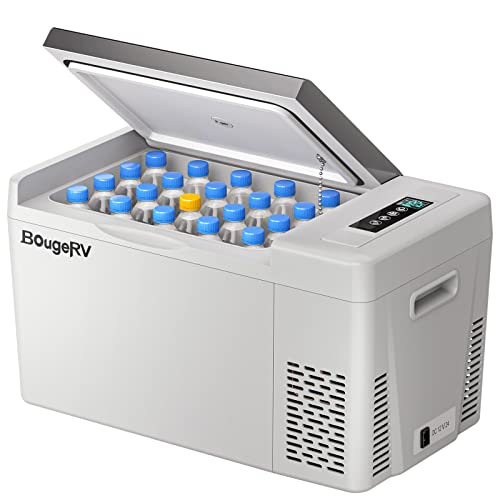
BougeRV 12 Volt Refrigerator 12V Car Fridge 23 Quart Portable Freezer Compressor Cooler 12/24V DC 110~240 Volt AC for Truck Van RV Camper SUV Travel Camping Road Trips Tailgating -8℉~50℉
What You Get: The CR22 12V refrigerator comes with a 2-year Tech Support. If you have any questions...
As an affiliate, we earn on qualifying purchases.
Frequently Asked Questions
Can Certain Medications Cause Side Effects When Preventing Seasickness?
Certain medications for seasickness can cause side effects, so you should be aware of potential medication interactions. These might include drowsiness, dry mouth, or blurred vision. To manage side effects effectively, follow your healthcare provider’s advice, and report any adverse reactions. Adjusting the dose or switching medications may be necessary. Always read labels carefully, and never mix seasickness meds with other drugs without consulting a healthcare professional.
Are There Natural Remedies Effective in Preventing Seasickness?
You can try natural remedies like herbal remedies such as ginger, which may help reduce seasickness symptoms, or acupressure techniques like applying pressure on specific points to prevent nausea. While some people find these methods effective, their success varies individually. It’s best to experiment beforehand and see what works for you. Always consult with a healthcare professional if you have concerns or underlying health conditions before trying new remedies.
How Does Diet Influence Susceptibility to Seasickness?
Your diet influences how susceptible you are to seasickness. Dietary triggers like greasy or spicy foods can worsen symptoms, so it’s best to avoid them before sailing. Staying well-hydrated with water or electrolyte drinks helps prevent dehydration, which can increase seasickness risk. Focus on light, bland meals and maintain hydration strategies to keep your stomach settled and reduce the chances of feeling seasick during your trip.
Is Seasickness Genetic or Hereditary?
You might be more prone to seasickness if you have a genetic predisposition or hereditary factors. For example, a family case study shows that if your parents experience seasickness, you’re more likely to, too. While not solely determined by genetics, these factors influence your inner ear and nervous system responses. So, understanding your family’s history can help you prepare better and reduce your seasickness risk.
Do Different Types of Boats Affect Seasickness Risk?
Different types of boats can definitely influence your seasickness risk. Boats with greater stability, like large ships, tend to cause less motion sickness, while smaller boats with more pronounced motion types, such as dinghies or speedboats, increase the chance of feeling seasick. The boat’s design and how it moves through the water impact your body’s equilibrium, so choosing a steadier vessel can help you enjoy your trip more comfortably.

EUHOMY 12 Volt Refrigerator, 19QT(18L) Compressor Electric Cooler APP Control, Car Fridge -4℉~68℉, Portable Refrigerator 12/24V DC 100-240V AC, Portable Freezer for Camping, Travel, Boat
Package Inclusions & 2 Year Tech Support; EUHOMY electric cooler is equipped with 100/240V AC and 12/24V DC...
As an affiliate, we earn on qualifying purchases.
Conclusion
By following these evidence-based tips, you can substantially reduce your chances of seasickness and enjoy your time on the water. Remember, about 25% of people are highly susceptible to seasickness, so taking preventive measures is essential. Staying hydrated, choosing a stable spot, and focusing on the horizon can make a big difference. Don’t let seasickness spoil your adventure—prepare ahead, and you’ll be able to relax and have fun on your voyage.

Feelfunn 12 Volt Refrigerator Car Fridge - 40QT(38L) Dual Zone Electric Cooler, Car Refrigerator -4℉~68℉, Portable Refrigerator 12/24V DC 100-240V AC, Portable Freezer for Travel Camping RV Home
Dual-Zone Independent Control: This 12 volt refrigerator has 2 zones with separate temp control (-4°F to 68°F), preventing...
As an affiliate, we earn on qualifying purchases.

Setpower 12V Refrigerator 21 Quart Portable Freezer 50 Hours Keep Cool,Electric Cooler for Vehicles Car Refrigerator for Car Camping Truck Van RV SUV Road Trip Travel (3-year warranty)
Extended 3-year warranty: The SetPower 12V refrigerator provide ONE-ON-ONE friendly 3 years tech support on the compressor and...
As an affiliate, we earn on qualifying purchases.