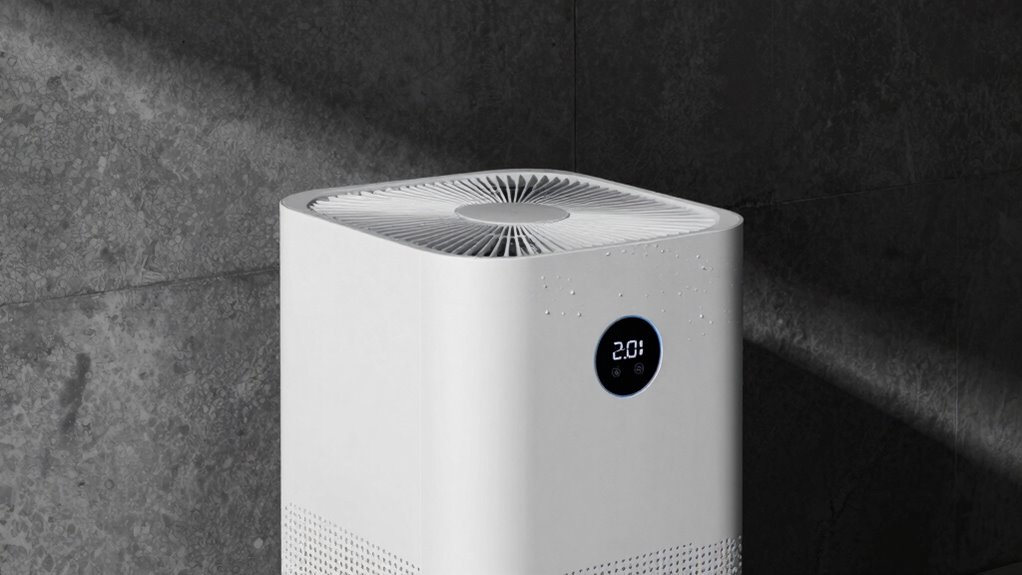
Maintaining humidity levels between 30% and 50% is key to protecting your home, health, and comfort. When moisture is within this range, you prevent mold growth, dust mites, and musty smells, while avoiding dry skin and sinus issues. Using a dehumidifier with proper settings, regular maintenance, and strategic placement ensures consistent control. Staying attentive to your environment helps create a healthier space—continue to explore for ways to optimize humidity management effectively.

Get travel and outdoor gear delivered free with Prime
- Fast, free delivery on millions of items
- Prime Video, Amazon Music and more included
- Member-only deals all year
Key Takeaways
- Maintaining indoor humidity between 30-50% prevents mold, dust mites, and bacteria growth.
- Proper humidity levels protect furniture, electronics, and household items from moisture damage.
- Using dehumidifier settings effectively ensures consistent comfort and prevents over- or under-humidification.
- Regular maintenance of the dehumidifier enhances performance and prolongs device lifespan.
- Placement in moisture-prone areas and monitoring helps achieve optimal humidity control.
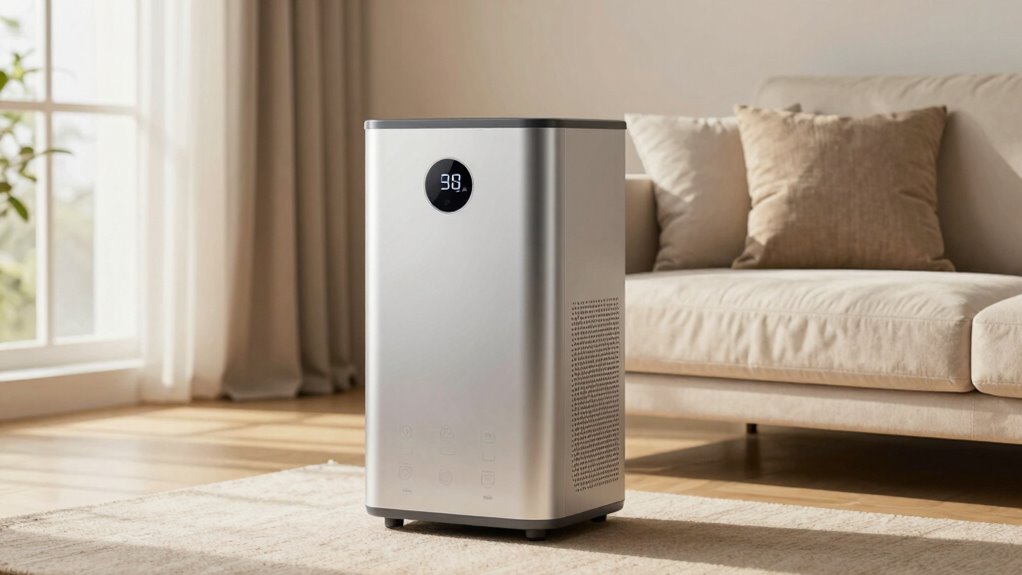
A dehumidifier is a practical device that helps reduce excess moisture in your indoor air, making your home more comfortable and healthier. When it comes to humidity control, having the right level of moisture is essential. Too much humidity can lead to mold growth, musty odors, and an environment that promotes dust mites, all of which can affect your health and the integrity of your home. Conversely, too little moisture can cause dry skin, irritated sinuses, and discomfort. Achieving the ideal humidity level, typically between 30-50%, ensures a balanced environment that promotes well-being and protects your belongings.
Maintaining 30-50% humidity balances comfort, health, and home protection.
To maintain this balance, regular appliance maintenance is key. Keeping your dehumidifier clean and functioning properly guarantees efficient operation and prolongs its lifespan. This includes emptying the water collection tank frequently, cleaning or replacing filters as recommended by the manufacturer, and inspecting the coils for dust buildup. Proper maintenance not only enhances humidity control but also prevents issues like mold or bacteria growth within the device itself, which could compromise indoor air quality.
You should also pay attention to the settings on your dehumidifier. Many models come with humidity sensors or adjustable controls that allow you to set your desired level. Once you’ve dialed in your preferred humidity, the appliance will automatically turn on or off to maintain that level. This automation saves you effort and ensures consistent comfort. Remember, if you notice your dehumidifier running constantly or not enough, it could be a sign of needing maintenance or adjusting the settings.
Another important aspect of appliance care is ensuring proper placement. Position your dehumidifier in areas prone to moisture, such as basements, bathrooms, or laundry rooms, but keep it away from walls or furniture that could obstruct airflow. Good airflow is critical for effective humidity control. Additionally, check for any signs of damage or wear periodically, especially if you notice strange noises or reduced performance.
As an affiliate, we earn on qualifying purchases.
Frequently Asked Questions
Can Dehumidifiers Prevent Mold Growth Effectively?
Yes, dehumidifiers can effectively prevent mold growth by maintaining proper humidity control. You should keep indoor humidity levels below 60%, ideally around 50%, to inhibit mold development. Using a dehumidifier regularly helps reduce excess moisture, especially in damp areas like basements or bathrooms. This proactive mold prevention keeps your space healthier, minimizes allergy issues, and protects your home’s structure from mold-related damage.
How Often Should I Empty the Dehumidifier’s Water Tank?
You should empty your dehumidifier’s water tank regularly to maintain essential performance. Check the tank daily during high humidity periods and at least once a week otherwise. Water tank maintenance is vital to prevent mold and odors. If you notice the tank is full, empty it immediately. During humid seasons, you might need to empty it more often, ensuring your dehumidifier continues working efficiently and effectively controlling moisture levels.
Are There Quiet Dehumidifier Models Suitable for Bedrooms?
Yes, you can find quiet dehumidifier models suitable for bedrooms with silent operation. Look for bedroom models specifically designed to run quietly, often featuring noise levels below 50 decibels. These models use advanced technology to minimize noise, making them perfect for nighttime use. When shopping, check the product specifications for sound ratings, and choose one with a reputation for quiet performance to guarantee a restful sleep environment.
Do Dehumidifiers Consume a Lot of Energy?
Dehumidifiers don’t usually consume a lot of energy, especially newer, power-efficient models. Their energy consumption depends on size and capacity, but many are designed to be energy-smart, helping you save on electricity bills. Look for units with high energy efficiency ratings, like Energy Star certification, to guarantee you’re using a dehumidifier that minimizes power consumption while keeping your space comfortable. You’ll find that choosing the right model makes a noticeable difference.
Can Dehumidifiers Help Improve Allergy Symptoms?
Yes, dehumidifiers can help improve allergy symptoms by reducing excess moisture, which lessens mold growth and dust mites. Pairing your dehumidifier with an air purifier boosts dust prevention, creating a cleaner environment that’s easier to breathe. You’ll notice fewer allergy triggers, especially in damp areas. Keep humidity levels in check, ideally between 30-50%, to create a healthier space and minimize allergy symptoms effectively.
Conclusion
Remember, maintaining the right humidity level truly makes a difference. Many believe any dehumidifier will do, but the truth is, only those that target the ideal range—around 30-50%—effectively prevent mold, reduce allergens, and improve comfort. Don’t fall for the myth that lower is always better; over-drying can be just as harmful. Focus on the humidity level that actually matters, and you’ll create a healthier, more comfortable environment for everyone.
Halloween Picks
halloween
As an affiliate, we earn on qualifying purchases.