This checklist is for backpackers choosing the core gear for an overnight or multiday trip. It covers shelter, carrying gear, sleep, water treatment, and trail support, with extra attention to how each item needs to work with the rest of your setup. Start with the conditions you expect, then check fit and compatibility before deciding what to bring.

Get travel and outdoor gear delivered free with Prime
- Fast, free delivery on millions of items
- Prime Video, Amazon Music and more included
- Member-only deals all year
The sections follow the main gear categories in a practical order. Tent, backpack, and trekking poles are advice-only slots; the sleeping bag, sleeping pad, and water filter sections each name a specific pick. Use the checklist points to compare options within each category, since the right choice depends on your route, body, and packing system.
Read the advice first, then use the “look for” bullets as a shortlist when comparing products. Before a trip, confirm that your shelter, sleep system, pack, and water treatment plan fit together and suit the conditions you expect. Prioritize fit and compatibility over adding features you do not need.
Backpacking tent
A tent is your shelter from weather and a place to rest, so choosing one means balancing protection, usable space, and what you are prepared to carry. Start with the conditions you expect and the number of people who will sleep inside. Consider whether you need room for your pack and whether the tent’s shape and entry arrangement will be comfortable for the way you camp. Match shelter to conditions rather than assuming one style will suit every route. A common mistake is judging a tent by capacity alone. The stated occupancy may not reflect how much room you want for sleeping, clothing, and gear, so check the interior dimensions and layout. Also confirm what is included and how the tent is pitched: poles, stakes, and a compatible footprint may affect what else you need to bring. Check that the packed size and weight work with your backpack and that you understand the setup before heading out. Check the complete setup, including components and pack space, before choosing.What to look for:
- Capacity and interior dimensions that suit the people and gear sharing the tent
- Protection appropriate to the weather and conditions you expect
- Packed size and weight that fit your backpacking setup
- Pitching method and included components, such as poles and stakes
- A layout and entry arrangement that works for your campsite needs
Hiking backpack
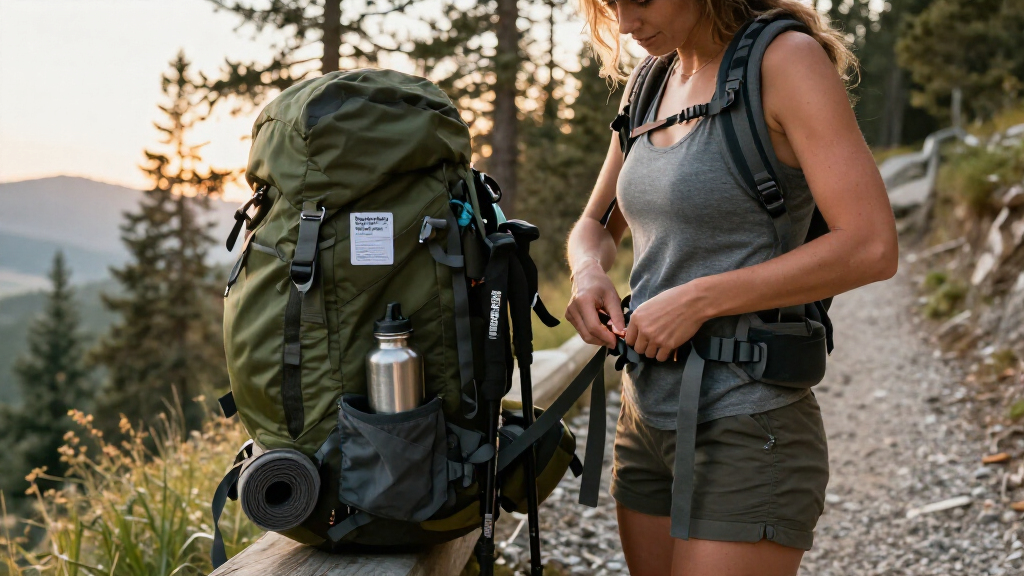
Your backpack has to carry the gear you actually plan to bring while fitting your body comfortably. Begin with the load and the length of your trip, then compare pack capacity and the way it carries weight. Torso length and hip-belt fit matter, so look for sizing guidance and try the pack with a representative load when possible. Fit the pack to your body before judging it by features or appearance. A common buying mistake is choosing capacity without considering the rest of the kit. A larger pack can encourage overpacking, while a smaller one may not fit bulky shelter or sleep gear. Check how the pack opens and whether its pockets and attachment points suit items you want accessible on the trail. Make sure the pack can accommodate your tent, sleeping bag, pad, and water system, and that the adjustment range works over the clothing layers you expect to wear. Test with your real gear so fit and capacity reflect the way you will use it.What to look for:
- Capacity that fits your trip length and planned gear without excess space
- Torso sizing and adjustment range suited to your body
- A hip belt and suspension that feel comfortable with a representative load
- Access points, pockets, and attachment options suited to your gear
- Compatibility with your shelter, sleep system, and water-carrying setup
Sleeping bag
A sleeping bag shapes how comfortable you are at camp, so start by considering the conditions you expect and how you sleep. The named pick is the The North Face One Bag 3-in-1 Insulated Sleeping Bag, 5°F. Treat the temperature figure in the product name as a detail to investigate, not a promise that it will suit every sleeper or situation. Consider your own comfort and the conditions alongside the listed temperature. A common mistake is choosing a bag without checking how it works with the rest of the sleep system. Compare the bag’s shape and dimensions with your height and preferred room to move, and check its packed size against your backpack. Insulation and layering needs depend on conditions and personal comfort, so consider what clothing and sleeping pad you will use with it. Confirm the product’s care and storage guidance, and make sure the bag’s configuration suits how you plan to sleep. Check fit and system compatibility before making it your trip bag.What to look for:
- A temperature range and guidance that suit the conditions you expect
- Length and shape that fit your body and preferred room to move
- Packed size that works with your backpack capacity
- Compatibility with your sleeping pad and planned sleep clothing
- Care and storage instructions you can follow
The North Face One Bag 3-in-1 Insulated Sleeping Bag, 5°F

A versatile three-layer sleeping system designed for camping in conditions from 5°F to 40°F. It combines 800-fill recycled down with recycled Heatseeker insulation, a water-repellent nylon shell, and a fitted hood; the down layer can also be used as a standalone quilt.
Pros:
- Three-layer design supports adaptable comfort across a range of conditions
- Combines down and synthetic insulation for warmth, including when wet
- Down layer doubles as a standalone quilt
- Fitted hood accommodates a pillow
Cons:
- The regular version weighs 3 lbs 13 oz
- Temperature limits can vary with regional weather conditions
Best for: Backpackers considering a 3-in-1 bag for their expected conditions
Not ideal for: Sleepers who have not checked personal fit and pad compatibility
Bottom line: The North Face One Bag 3-in-1 Insulated Sleeping Bag, 5°F is worth considering when its fit and intended conditions match your setup.
Sleeping pad
A sleeping pad is part of your sleep setup, so consider how it fits your body, sleeping bag, and campsite routine. The named pick is the Therm-a-Rest Basecamp Self-Inflating Camping Sleeping Pad. Its product name identifies it as self-inflating; check the product details for the dimensions, packed size, and setup guidance that matter for your trip. Confirm the dimensions first so the pad works with your sleeping space and bag. A common mistake is treating a pad as a standalone comfort choice. It needs to fit inside the tent and work with the bag, and its packed volume has to fit alongside the rest of your gear. Compare the pad’s length and width with your height and sleeping position, and check thickness and care instructions in the product information. Consider how you will inflate or prepare it at camp, and whether its packed shape works in your backpack. Check the whole sleep setup before deciding, especially if tent floor space or pack capacity is limited.What to look for:
- Length and width suited to your body and sleeping position
- Packed dimensions that fit your backpacking load
- A shape that fits the tent’s usable floor area
- Setup and inflation instructions suited to your camp routine
- Compatibility with your sleeping bag and planned sleep system
Therm-a-Rest Basecamp Self-Inflating Camping Sleeping Pad
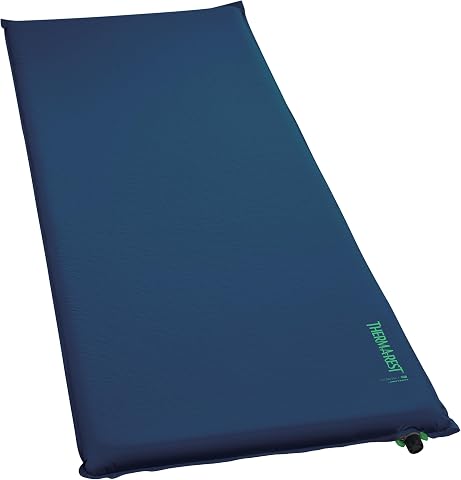
The Therm-a-Rest Basecamp is a self-inflating sleeping pad designed for camping, offering quick inflation with its WingLock valve and year-round insulation with a 6 R-value. It provides a warm, comfortable sleep surface with eco-friendly features and easy packing.
Pros:
- Fast self-inflation with WingLock valve
- Excellent insulation for year-round use
- Eco-friendly, PFAS-free coating
- Comfortable and spacious for XL size
Cons:
- Heavy for backpacking trips
- Requires 2-4 hours to fully inflate and acclimate
- Bulkier when packed compared to ultralight pads
Best for: Campers considering a self-inflating pad for their sleep system
Not ideal for: Backpackers whose tent space or pack capacity cannot accommodate its dimensions
Bottom line: The Therm-a-Rest Basecamp Self-Inflating Camping Sleeping Pad is a candidate when its dimensions and packed size suit your setup.
Water filter
A water filter is one part of a trip’s water plan. The named pick is the Katadyn Pocket Ceramic Hand Pump Water Filter for Emergency & Survival. Before selecting it, read the product instructions and verify that its stated use and operation fit your route and water sources. Plan around your water sources, and understand the filter’s limits before relying on it. A common mistake is assuming a filter alone answers every water-treatment need. Check the product guidance for operation, maintenance, and care, and learn how to use it before leaving. Consider who will use it, how much water your group needs to handle, and whether the pump format suits your routine. Confirm that the product’s specified use aligns with the water conditions you expect, and plan how to carry and protect it with the rest of your supplies. Read the full instructions and include an appropriate backup plan for your trip.What to look for:
- Product guidance that matches the water sources you expect
- Clear instructions for operation and maintenance
- A format and handling method suited to your group’s routine
- A carrying and storage plan that protects the filter in your pack
- A water-treatment plan that accounts for the product’s stated limits
Katadyn Pocket Ceramic Hand Pump Water Filter for Emergency & Survival

The Katadyn Pocket Ceramic Hand Pump Water Filter is a durable, portable water filtration device designed for emergency and survival situations. It effectively removes bacteria and protozoa, providing safe drinking water in the field.
Pros:
- Durable ceramic filter for long-term use
- Portable and easy to operate
- Effective at removing bacteria and protozoa
Cons:
- May require manual pumping effort
- Limited flow rate compared to larger systems
Best for: Backpackers evaluating a hand-pump filter for their water plan
Not ideal for: Those who have not checked source compatibility or operating instructions
Bottom line: Consider the Katadyn Pocket Ceramic Hand Pump Water Filter for Emergency & Survival only after checking its instructions against your expected water sources.
Trekking poles
Trekking poles can be useful trail equipment, but the right choice depends on your route, movement, and preference. Consider whether you want poles for the terrain you expect and whether you will carry them for the full trip. Check adjustment range against your height and the way you plan to use them, and consider how their packed length will fit on your backpack when stowed. Match poles to your route and how you move on it. A common mistake is overlooking fit and storage. Poles that do not adjust to a comfortable length or cannot be secured to your pack can become awkward to carry. Compare grip shape and material, strap adjustment, locking style, and the process for changing length. Check whether tips or baskets are included and whether the pole design suits the surfaces you expect; verify those details with the product information. Practice adjusting and stowing them before your trip. Try the adjustment and carry setup so the poles feel manageable both in use and when packed away.What to look for:
- Adjustment range that suits your height and intended use
- Grip and strap setup that feels comfortable in your hands
- A locking style you can adjust and secure confidently
- Packed length and attachment options compatible with your backpack
- Tips and baskets appropriate to the surfaces you expect
When organizing your gear budget, prioritize the items that determine whether your trip setup is workable: shelter and pack fit, then the sleep system and water plan. Compare the tent, backpack, bag, and pad as a connected set, and make sure the filter’s instructions suit the water sources you expect. Spend attention where fit matters before filling smaller gaps in your kit.
You do not need to solve every gear choice at once. Use this checklist to identify what you already own, what needs a closer fit check, and what should be matched to your route. Confirm compatibility, practice setup and operation, and adjust your list as your plans become clearer. A thoughtful checklist makes packing easier and helps you head out with a setup you understand.
Halloween Picks
halloween
As an affiliate, we earn on qualifying purchases.