

You should aim to keep your basement’s humidity between 30% and 50%. Too high—above 60%—and mold can grow quickly, damaging your property and risking health issues. Use a reliable hygrometer to monitor the levels regularly, and take action if it gets too high or low. Consistent tracking helps prevent moisture problems before they become serious. If you stay aware of this number, you’ll better protect your home—there’s more to discover about managing it effectively.

Get travel and outdoor gear delivered free with Prime
- Fast, free delivery on millions of items
- Prime Video, Amazon Music and more included
- Member-only deals all year
Key Takeaways
- Maintain basement humidity between 30% and 50% for optimal health and property protection.
- Avoid humidity levels above 60%, which significantly increase mold growth risk.
- Regularly monitor humidity with a reliable hygrometer to detect rising moisture levels early.
- Use ventilation and dehumidifiers to keep humidity within the safe range consistently.
- Watch for signs of dampness or mold, and address issues promptly to prevent damage.
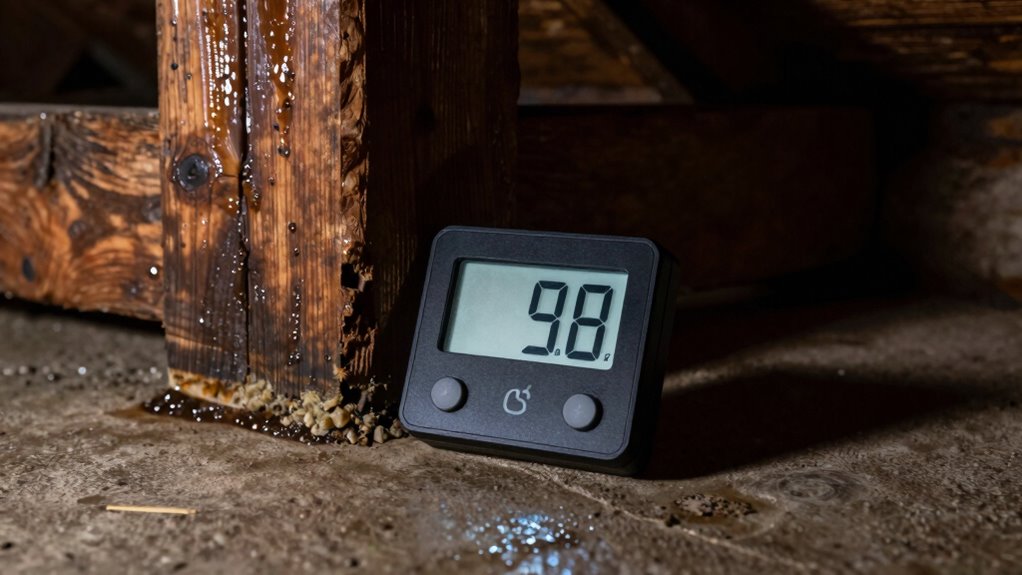
Maintaining the right humidity level in your basement is essential for protecting your home and health. When humidity gets too high, it creates the perfect environment for mold growth, which can damage your property and pose health risks. To prevent this, you need to keep a close eye on your basement’s humidity number and take proactive steps to control it. Mold prevention becomes much easier when you understand how humidity influences mold development. The ideal range for basement humidity is generally between 30% and 50%. Staying within this range minimizes the chances of mold spores settling and thriving. If your humidity levels climb above 60%, mold can start to develop rapidly, especially in hidden corners or porous materials like drywall or wood. Regularly measuring your basement’s humidity with a reliable hygrometer gives you the data you need to act quickly if levels spike. Monitoring indoor humidity is a crucial step in identifying potential issues before they become serious problems. Proper ventilation strategies also help to maintain consistent airflow and moisture control, which are vital for preventing mold growth. ventilation strategies play an important role in maintaining the right humidity and preventing mold. Proper airflow helps to remove excess moisture from the air, reducing the likelihood of mold spores settling and growing. You should consider installing exhaust fans or upgrading your existing ventilation system to guarantee consistent air exchange. Opening windows when weather permits can also help, especially during humid seasons, but be cautious of bringing in outdoor moisture. Dehumidifiers are another effective tool; they actively extract moisture from the air, bringing humidity down to a safer level. Make sure to regularly clean and maintain these devices to keep them functioning efficiently. In addition to mechanical solutions, simple habits can make a big difference. Using exhaust fans in bathrooms and laundry areas prevents excess moisture from spreading into your basement. Avoid storing damp or wet items downstairs, as they release moisture into the air. If you notice any signs of mold or persistent dampness, address the source immediately to prevent further issues. Understanding your basement humidity number can help you better anticipate potential problems before they escalate. Regularly checking humidity levels also ensures you stay informed about your environment and can respond promptly to changes. These measures protect your property, but they also create a healthier environment for you and your family. Remember, consistent monitoring and proactive ventilation are your best tools for keeping your basement dry, safe, and mold-free.
As an affiliate, we earn on qualifying purchases.
Frequently Asked Questions
How Often Should I Check My Basement Humidity Levels?
You should check your basement humidity levels at least once a month to maintain a healthy environment. Regular checks help you adjust ventilation strategies and guarantee your dehumidifier works efficiently. If you notice high humidity, empty the dehumidifier and improve ventilation. Consistent monitoring allows you to respond quickly, preventing mold growth and dampness. Keep a record to identify patterns and make informed decisions for better basement air quality.
What Tools Are Best for Measuring Basement Humidity Accurately?
Think of humidity sensors and moisture meters as your basement’s heartbeat monitors. The best tools for measuring humidity accurately are digital hygrometers and moisture meters, which give you precise readings at a glance. Invest in a reliable humidity sensor to keep tabs on moisture levels regularly. With these tools, you’ll catch early signs of excess humidity before it turns your basement into a damp, musty cave.
Can High Humidity Levels Cause Long-Term Structural Damage?
High humidity levels can cause long-term structural damage by promoting mold growth and wood rot. To prevent this, focus on mold prevention and implement effective ventilation strategies like exhaust fans or dehumidifiers. These measures help control moisture, protecting your basement’s foundation and structural integrity over time. Regularly monitor humidity levels to stay ahead of potential issues, ensuring your basement remains dry, safe, and structurally sound.
How Does Basement Humidity Affect Indoor Air Quality?
Your basement humidity directly impacts indoor air quality, making it essential to keep levels in check. High humidity encourages mold growth, which can worsen allergies and respiratory issues, so mold prevention is key. Good air circulation helps lower moisture, keeping the air fresh and healthy. When humidity is balanced, you create a safer, more comfortable environment, preventing issues before they start and ensuring your home stays breathable and clean.
Are There Specific Humidity Levels Recommended for Different Climates?
Yes, climate-specific humidity guidelines exist. In humid climates, aim for indoor humidity levels between 30-50% to prevent mold and discomfort. In dry climates, maintaining humidity around 30-40% helps avoid static and respiratory issues. Adjust your home’s humidity based on your local climate to optimize comfort and protect your property. Keep an eye on your basement’s humidity to follow these climate-specific guidelines effectively.
Conclusion
So, next time you’re obsessing over that mysterious basement humidity number, remember: it’s more than just a fancy statistic—it’s your home’s sneaky way of saying, “Hey, I might be turning into a swamp!” Keep an eye on it, or risk becoming the proud owner of a soggy, moldy kingdom. After all, who needs a spa day when your basement’s already giving you a steamy, moldy retreat? Stay vigilant and keep dryness in check!
Halloween Picks
halloween
As an affiliate, we earn on qualifying purchases.