
For astronomy enthusiasts, a laptop with high battery life is essential to observe the stars without interruption. The best models balance long-lasting power with strong performance, but tradeoffs often include weight or screen size. The Dell Inspiron 15.6″ FHD Touchscreen Laptop stands out for its reliable battery life and versatile features, while the Samsung Galaxy Book4 Business Laptop offers impressive endurance with a professional-grade build. However, some options sacrifice portability for power, and others may lack sufficient processing for complex software. Continue reading for a detailed breakdown of the top picks and what makes each ideal for different needs.

Get travel and outdoor gear delivered free with Prime
- Fast, free delivery on millions of items
- Prime Video, Amazon Music and more included
- Member-only deals all year
Complete the kit



Key Takeaways
- Long battery life varies significantly, with some models exceeding 12 hours while others hover around 8 hours, influencing portability and usability during long observing sessions.
- Performance for astronomy software depends heavily on CPU and RAM; high battery models often include powerful processors that also increase power consumption.
- Build quality and weight are key considerations; ultra-light models tend to have slightly shorter battery life but are easier to carry for field work.
- Display size and resolution impact usability outdoors; larger screens with high resolution improve star chart viewing but may drain the battery faster.
- Price range varies considerably; premium models offer longer battery life and better build quality but come at a higher cost, while budget options may compromise on longevity.


| astronomy laptops with high battery life | Processor | Display | Storage | RAM |
|---|---|---|---|---|
| Acer Aspire Laptop 2026 | Intel Ultra 7 258V | 14-inch touchscreen | 2TB PCIe SSD | 32GB LPDDR5X |
| HP 15 Laptop | Intel Core i5-1334U | 15.6-inch FHD touchscreen | 1TB PCIe NVMe SSD | 32GB DDR4 |
| HP 17 inch Business Laptop Com | AMD Ryzen 5 | 17.3 inch FHD anti-glare | 512GB SSD | 16GB |
| GEEKOM GeekBook X14 Pro Laptop | Intel Core Ultra 5 125U | 14-inch 2.8K OLED | — | — |
| Dell Inspiron 15.6" FHD Touchs | AMD Ryzen 7 7730 | 15.6" FHD Touchscreen | 1TB SSD | 32GB |
| HP OmniBook 3 16" 2K Laptop wi | Qualcomm Snapdragon 8-Core CPU | 16-inch IPS, 2K 1920 x 1200 | 512GB SSD | 16GB |
| HP Essential Laptop Computer | Intel N150 | 14-inch HD, 1366×768 | 128GB SSD | — |
| GEEKOM GeekBook M16 Laptop | Intel Core Ultra 9 185H | 16-inch IPS, 16:10 aspect ratio | 512GB PCIe Gen4 SSD | 16GB LPDDR5 |
| GEEKOM GeekBook X16 Pro Laptop | Intel Core Ultra 9 185H | 16-inch 2.5K IPS, 120Hz | Unknown, likely 512GB SSD | 16GB LPDDR5 |
| HP OmniBook 3 17.3 inch Laptop | AMD Ryzen 3 30 | 17.3 inch FHD IPS | 512 GB PCIe NVMe M.2 SSD | 8 GB LPDDR5 |
| Acer 2026 Touchscreen Laptop C | Intel Core Ultra 7 258V, 8 cores, 2.20 GHz | 14" WUXGA IPS touchscreen, 1920 x 1200 | 1TB PCIe NVMe 4.0 SSD, 500GB HDD | 32GB LPDDR5X |
| Samsung Galaxy Book4 Business | Intel Core 7-150U, 10-core | 15.6 inch FHD | 512GB SSD (up to 4TB supported) | 16GB LPDDR4X |
More Details on Our Top Picks
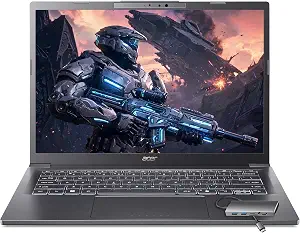
Acer Aspire Laptop 2026, Touchscreen, Intel Ultra 7 258V, 32GB RAM, 2TB SSD
This Acer Aspire model stands out for its combination of high-end AI-accelerated performance and portability, making it ideal for creative work on the go. Compared with the GEEKOM GeekBook X14 Pro, it offers more storage and a larger RAM pool, but it falls short on battery life details and weighs slightly more. Its 14-inch touchscreen and Intel Ultra 7 258V processor deliver snappy multitasking and content creation capabilities, yet the premium specs come with a higher price tag. The lightweight design at just over 3 pounds enhances portability, but may limit battery endurance if not specified explicitly. This pick makes the most sense for professionals who need a powerful machine that can easily accompany them on travels or remote work sessions.
Pros:- Powerful AI-enhanced performance suitable for demanding creative tasks
- Large 32GB RAM and 2TB SSD for extensive multitasking and storage
- Lightweight and portable at just over 3 pounds
Cons:- High-end specifications potentially lead to a premium price
- Limited explicit information on battery life may be a concern
Best for: Creative professionals and remote workers seeking high performance in a portable package
Not ideal for: Users prioritizing long battery life over raw power, or those on a tight budget
- Processor:Intel Ultra 7 258V
- RAM:32GB LPDDR5X
- Storage:2TB PCIe SSD
- Display:14-inch touchscreen
- Weight:3.09 lbs
- Connectivity:WiFi 6E, USB-C, USB-A, HDMI, SD card, Ethernet
Our verdict“This laptop is ideal for those who need serious creative power without sacrificing portability, provided they can manage the higher cost and potential battery limitations.”
HP 15 Laptop (15.6″ FHD Touchscreen, Intel Core i5-1334U, 32GB RAM, 1TB SSD, Windows 11 Pro)
This HP 15 offers a balanced mix of performance and battery endurance, making it suitable for users who need to work or study for extended periods. Compared to the Dell Inspiron with Ryzen 7, it provides a slightly longer battery life of up to 10 hours, but the latter may offer better multitasking with its Ryzen 7’s extra cores. Its 15.6-inch FHD touchscreen provides an immersive viewing experience, while the 32GB RAM ensures smooth multitasking. The inclusion of fast charging adds to its appeal for mobile users. However, the heavier weight and limited external display support may reduce its appeal for those prioritizing ultra-portability or multi-monitor setups. This model makes the most sense for users who need reliable battery life for daily work or entertainment, especially on the move.
Pros:- Long battery life up to 10 hours with fast charging
- Large FHD touchscreen with immersive visual quality
- Powerful 32GB RAM for heavy multitasking
Cons:- Relatively heavy, which may hinder portability
- Limited external display support at 4K @30Hz
Best for: Students and professionals needing reliable all-day battery life with a large display
Not ideal for: Power users requiring dedicated graphics or ultra-lightweight portability
- Display:15.6-inch FHD touchscreen
- Processor:Intel Core i5-1334U
- RAM:32GB DDR4
- Storage:1TB PCIe NVMe SSD
- Battery Life:Up to 10 hours
- Connectivity:Wi-Fi 6, Bluetooth 5.3, HDMI, USB-C, USB-A
Our verdict“Ideal for those who prioritize endurance and a sizable touchscreen for day-long productivity and entertainment.”
HP 17 inch Business Laptop Computer, 2026 Edition, AMD Ryzen 5, 16GB RAM, 512GB SSD, FHD Display, Windows 11 with Office 365
This HP 17-inch model provides a spacious display perfect for multitasking and media consumption, making it suitable for business users and multimedia enthusiasts. Compared with the Dell Inspiron, its larger screen enhances productivity but adds weight, which could hinder mobility. Its AMD Ryzen 5 processor and 16GB RAM ensure smooth performance for most business tasks, while the 512GB SSD provides ample storage. Long battery life with fast charging supports extended use away from outlets. However, the absence of a dedicated graphics card and the bulkier form factor might limit appeal for users who prioritize portability or gaming. This laptop is best suited for those who need a large display for work or entertainment with dependable battery life.
Pros:- Large 17.3-inch FHD display ideal for multitasking
- Powerful AMD Ryzen 5 processor with 16GB RAM
- Long battery life with fast charging
Cons:- Heavy and less portable due to large size
- No dedicated graphics card for gaming or intensive design tasks
Best for: Business users or students who need a large screen for multitasking and long battery life
Not ideal for: Travelers seeking ultra-lightweight options or gamers requiring dedicated graphics
- Display:17.3 inch FHD anti-glare
- Processor:AMD Ryzen 5
- RAM:16GB
- Storage:512GB SSD
- Battery:Long battery life with HP Fast Charge
- Operating System:Windows 11
Our verdict“Best suited for users requiring a sizable display and reliable battery performance for work or media use at home or office.”
GEEKOM GeekBook X14 Pro Laptop, 14-inch 2.8K OLED, Ultra Thin, 2.2 lbs
The GEEKOM GeekBook X14 Pro excels in portability and display quality, making it a top choice for creators who need a vibrant screen and long battery life. Compared with the Acer Aspire, it sacrifices some raw performance for weight savings and a more premium OLED display, with up to 16 hours of battery life. Its 14-inch 2.8K OLED panel offers exceptional color and contrast, perfect for photo editing or media consumption. The ultra-thin design and aerospace-grade chassis make it highly portable, but limited keyboard and trackpad details could impact overall usability for extended work sessions. This laptop makes the most sense for on-the-go creators who prioritize display quality and battery longevity over raw processing power or expandability.
Pros:- Vivid 14-inch 2.8K OLED display with high contrast
- Extremely lightweight at 2.2 lbs and ultra-thin profile
- Battery life up to 16 hours for all-day use
Cons:- Limited information on keyboard ergonomics
- Premium features lead to a higher price point
Best for: Content creators and professionals needing an ultra-lightweight, high-quality display
Not ideal for: Power users requiring dedicated graphics or intensive multitasking
- Display:14-inch 2.8K OLED
- Processor:Intel Core Ultra 5 125U
- Graphics:Intel Arc
- Weight:2.2 lbs
- Battery:72Wh, up to 16 hours
- Chassis Material:Aerospace grade magnesium alloy
Our verdict“Perfect for creators who need a portable, stunning display with all-day battery life, though it may lack some power for intensive tasks.”
Dell Inspiron 15.6″ FHD Touchscreen Laptop for Student and Business, 8-Core Ryzen 7, 32GB RAM, 1TB SSD, Windows 11 Pro
This Dell Inspiron combines an 8-core Ryzen 7 with 32GB RAM, making it a strong choice for heavy multitasking and demanding workflows. Compared with the HP 15, it offers similar battery longevity but potentially better processing performance for intensive tasks. Its 15.6-inch touchscreen supports comfortable viewing, and the 1TB SSD ensures quick access to files. While its size and weight are manageable for most users, it may not be the best fit for those needing ultra-light portability. The absence of dedicated graphics limits gaming or GPU-accelerated work. This model makes the most sense for users who need a high-performance machine capable of running multiple applications all day without frequent recharging.
Pros:- 8-core Ryzen 7 processor for heavy multitasking
- Large 32GB RAM supports demanding workflows
- Long battery life suitable for all-day use
Cons:- Larger and heavier than ultra-portable laptops
- No dedicated graphics card for gaming or GPU-heavy tasks
Best for: Power users and students requiring high multitasking capacity with reliable battery life
Not ideal for: Travelers needing the lightest possible laptop or gamers needing dedicated GPU performance
- Processor:AMD Ryzen 7 7730
- RAM:32GB
- Storage:1TB SSD
- Display:15.6″ FHD Touchscreen
- Operating System:Windows 11 Pro
- Battery Life:All-day
Our verdict“Ideal for demanding users who need a powerful, long-lasting machine for extensive multitasking and productivity.”
HP OmniBook 3 16″ 2K Laptop with Microsoft 365, Qualcomm 8-Core CPU, 16GB RAM, 512GB SSD, Windows 11 Home, Backlit & Numeric Keyboard, Mica Black
The HP OmniBook 3 stands out for its exceptional battery life, boasting up to 34 hours, which surpasses most options like the GeekBook M16. Its 16-inch 2K IPS display delivers sharp visuals for astronomy enthusiasts who need clarity on the go. While the Qualcomm Snapdragon 8-Core CPU offers AI capabilities and efficient performance, it may not match the raw power of high-end Intel or AMD chips, making it less suited for intensive tasks. Compared with the GeekBook M16’s performance-oriented Intel Core Ultra 9, the OmniBook prioritizes endurance over processing muscle, trading off some speed for longevity. This makes it ideal for casual stargazing or data review during extended sessions, but less suited for demanding simulations or heavy multitasking.
Pros:- Impressive battery life of up to 34 hours for extended field use
- High-resolution 16-inch 2K IPS display with wide viewing angles
- Powerful Qualcomm Snapdragon 8-Core CPU with AI capabilities
- Includes Microsoft 365 subscription for productivity
Cons:- Processor may lag behind high-end Intel or AMD options in raw power
- Limited GPU information might affect graphics-heavy tasks
- Potentially higher price due to advanced features
Best for: Astronomy enthusiasts who prioritize extended battery life for field observations or long sessions away from power sources.
Not ideal for: Power users needing intensive processing or high-end graphics performance for detailed astrophotography editing.
- Display:16-inch IPS, 2K 1920 x 1200
- Processor:Qualcomm Snapdragon 8-Core CPU
- RAM:16GB
- Storage:512GB SSD
- Battery Life:Up to 34 hours
- Operating System:Windows 11 Home
Our verdict“This laptop is best suited for astronomers who need all-day battery life and sharp visuals for casual observation and review tasks.”
HP Essential Laptop Computer, 2026 Edition, 128GB SSD, Intel N150 CPU, 14″ HD Display, Windows 11, Microsoft 365, 1TB Cloud Storage
The HP Essential Laptop 2026 offers a compelling balance for those who need mobility and decent battery life, with up to 11 hours, making it suitable for astronomers on the move. Its 14-inch HD anti-glare display provides adequate clarity for casual stargazing or reviewing star charts, although the 1366×768 resolution falls short of the crispness seen in higher-res models like the OmniBook 3. Powered by an Intel N150 processor, this laptop is less suited to intensive multitasking or large data processing but performs reliably for light tasks and note-taking during observation sessions. Compared to the GeekBook M16’s high-end specs, this option emphasizes portability and affordability, sacrificing raw power and display resolution for a lighter form factor. It’s ideal for beginners or hobbyists who prioritize ease of transport over performance.
Pros:- Lightweight and portable at just over 3 pounds
- Long battery life of up to 11 hours suitable for field use
- Includes Microsoft 365 and 1TB cloud storage for productivity
- Decent connectivity options for a small device
Cons:- Limited 4GB RAM may hinder multitasking with multiple applications
- Low screen resolution may reduce clarity during detailed observations
- No dedicated GPU or advanced graphics capabilities
Best for: Beginner astronomers or students needing a lightweight and affordable device for casual stargazing and note-taking.
Not ideal for: Power users or professionals requiring high-performance graphics or multitasking for astrophotography or data analysis.
- Display:14-inch HD, 1366×768
- Processor:Intel N150
- Memory:4GB DDR4
- Storage:128GB SSD
- Battery Life:Up to 11 hours
- Operating System:Windows 11
Our verdict“This model is best for casual astronomers or students seeking portability and moderate battery endurance for light observation tasks.”
GEEKOM GeekBook M16 Laptop
The GeekBook M16 stands out among astronomy laptops for its blend of high performance and long endurance, with a remarkable up to 24 hours of battery life that beats many competitors like the X16 Pro. Its 16-inch IPS display offers crisp visuals with vibrant colors, ideal for detailed star maps or astrophotography review. Equipped with an Intel Core Ultra 9 processor and upgraded Intel Arc graphics, it caters to users needing both processing power and graphics capability—unlike the OmniBook 3, which favors battery life over raw power. The extensive connectivity, including USB4 and HDMI, supports multiple peripherals for fieldwork. However, its premium build and high-end specs come with a higher price and some weight, making portability a slight concern. It’s perfect for serious hobbyists or professionals who want longevity and performance in one device.
Pros:- Battery life up to 24 hours with fast charging support
- High-quality 16-inch IPS display with vivid colors
- Powerful Intel Core Ultra 9 processor and Intel Arc graphics
- Extensive connectivity including USB4 and HDMI
Cons:- Premium price point may be prohibitive for some users
- Potentially heavier than ultra-light models, affecting portability
- Battery life could vary based on intensive workloads
Best for: Professional or advanced amateur astronomers who need powerful specs and ultra-long battery life for demanding tasks and extended field sessions.
Not ideal for: Budget-conscious users or those prioritizing ultra-lightweight portability over high-end performance.
- Display:16-inch IPS, 16:10 aspect ratio
- Processor:Intel Core Ultra 9 185H
- Graphics:Intel Arc
- RAM:16GB LPDDR5
- Storage:512GB PCIe Gen4 SSD
- Battery:99.9Wh, up to 24 hours
Our verdict“This laptop is ideal for professionals and serious hobbyists who need long-lasting power and high performance for astronomy work on the go.”
GEEKOM GeekBook X16 Pro Laptop, 16″ 2.5K IPS, 2.8 lb Ultra-Light Notebook
The GeekBook X16 Pro combines portability with a sharp display, making it an excellent choice for astronomers who need a compact yet capable device. Its 16-inch 2.5K IPS screen offers vibrant visuals, ideal for detailed star maps, while weighing only 2.8 pounds, surpassing bulkier options like the OmniBook 3. Powered by Intel’s latest Meteor Lake architecture and a Core Ultra 9 processor, it delivers robust performance suitable for multitasking and data analysis. Its 77Wh battery supports up to 17 hours of use, making it a practical choice for extended field sessions. The magnesium alloy chassis ensures durability without adding weight. However, its storage options are not explicitly detailed, and the price may reflect the premium features. This pick makes the most sense for those who value lightweight design without sacrificing high-resolution visuals or performance.
Pros:- Ultra-lightweight at only 2.8 lbs for easy portability
- High-quality 16-inch 2.5K IPS display with vibrant colors
- Long battery life of up to 17 hours
- Robust Intel Core Ultra 9 processor with efficient cooling
Cons:- Limited information on storage expandability
- Higher price point due to premium materials and specs
- No dedicated GPU for heavy graphics tasks
Best for: Travelers and field astronomers needing a lightweight, high-res display device with excellent battery life and processing power.
Not ideal for: Users requiring extensive storage or dedicated GPU options for graphics-intensive tasks or astrophotography editing.
- Display:16-inch 2.5K IPS, 120Hz
- Processor:Intel Core Ultra 9 185H
- Graphics:Intel Arc
- RAM:16GB LPDDR5
- Storage:Unknown, likely 512GB SSD
- Battery:77Wh, up to 17 hours
Our verdict“This ultra-lightweight, high-resolution laptop is ideal for astronomers who need mobility and performance without excess weight.”
HP OmniBook 3 17.3 inch Laptop PC with FHD Display, AMD Ryzen 3, 8GB RAM, 512GB SSD, Windows 11 Home
This large-screen HP OmniBook 3 excels in offering an immersive viewing experience with its 17.3-inch FHD IPS display, making it ideal for stargazing sessions where visuals matter. Compared to the more portable Acer 2026, it sacrifices some portability but delivers longer, over 14 hours, of uninterrupted use—crucial for long nights observing. The AMD Ryzen 3 processor and 8GB RAM provide smooth multitasking for streaming data or controlling telescopes, though they fall short for demanding computational astronomy tasks. Its fast 512GB SSD ensures quick access to files and programs, while the noise reduction enhances communication clarity during remote observations. The main tradeoff is its limited graphics power, which isn’t suited for high-end astrophotography editing or gaming. This model makes the most sense for amateur astronomers who prioritize screen size and battery longevity over raw processing power.
Pros:- Large 17.3-inch FHD IPS display with wide viewing angles
- Impressive battery life of over 14 hours for extended sessions
- Fast PCIe NVMe SSD for quick file access
- Advanced noise reduction for clearer calls
Cons:- Limited processing power for heavy computational tasks
- Integrated AMD Radeon 610M graphics not suitable for high-end gaming or detailed astrophotography
Best for: Astronomy enthusiasts who need a large display for detailed star maps and long battery life for extended observation sessions
Not ideal for: Advanced astrophotographers or users needing high-end graphics processing for image editing or simulations
- Display:17.3 inch FHD IPS
- Processor:AMD Ryzen 3 30
- RAM:8 GB LPDDR5
- Storage:512 GB PCIe NVMe M.2 SSD
- Graphics:AMD Radeon 610M
- Battery Life:Up to 14 hours and 15 minutes
Our verdict“This laptop is best suited for amateur astronomers who value screen size and battery longevity over high-end processing capabilities.”
Acer 2026 Touchscreen Laptop Computer, Intel Core Ultra 7, 32GB RAM, 1TB SSD, 14″ WUXGA, Windows 11 Home
The Acer 2026 stands out for its combination of high performance and portability, thanks to the powerful Intel Core Ultra 7 processor and 32GB RAM, which supports multitasking and running complex astronomy software on the go. Its 14-inch WUXGA IPS touchscreen provides sharp visuals while maintaining a manageable size, making it easier to carry during field observations compared to bulkier models like the HP OmniBook 3. The 1TB SSD ensures quick access to large datasets and high-resolution star charts. However, its average 60Hz touchscreen refresh rate might feel sluggish for fast-paced interactions or real-time telescope control, and Windows 11 Home may limit some enterprise-grade software options. The tradeoff here is prioritizing lightweight design and raw power over slightly lower display refresh rates. This pick makes the most sense for astronomers who need a portable yet powerful device capable of multitasking efficiently during extended sky-watching sessions.
Pros:- Powerful Intel Core Ultra 7 processor with AI Boost
- Large 32GB RAM supports heavy multitasking
- Fast 1TB SSD for quick data access
- Lightweight at just over 3 pounds for portability
Cons:- Limited to Windows 11 Home, restricting some enterprise features
- Average 60Hz refresh rate on touchscreen may feel sluggish
Best for: Professional or serious amateur astronomers who require a lightweight, high-performance machine for fieldwork and multitasking
Not ideal for: Users seeking the highest refresh rate for interactive star mapping or those needing enterprise-level security features
- Processor:Intel Core Ultra 7 258V, 8 cores, 2.20 GHz
- RAM:32GB LPDDR5X
- Storage:1TB PCIe NVMe 4.0 SSD, 500GB HDD
- Display:14″ WUXGA IPS touchscreen, 1920 x 1200
- Graphics:Intel Arc Graphics 140V
- Weight:3.09 lbs
Our verdict“This laptop is ideal for astronomers who need a portable, high-performance device that handles multitasking during long observation sessions.”
Samsung Galaxy Book4 Business Laptop – 15.6″ FHD Display, Intel 10-Core 7-150U, 16GB RAM, 512GB SSD, Windows 11 Pro, Backlit Keyboard, Fingerprint, Long Battery Life, Redragon Accessory
The Samsung Galaxy Book4 offers a compelling mix of processing power and battery life, with its 10-core Intel processor and 16GB RAM supporting multitasking and data analysis during long nights of sky observation. Its 15.6-inch FHD display strikes a balance between size and portability, making it suitable for fieldwork where weight matters—at just over 3.4 pounds. The long battery life, up to 15 hours, rivals the HP OmniBook 3 and makes it reliable for extended sessions away from power sources. Business-specific features like a fingerprint sensor and Windows 11 Pro add security and manageability, ideal for professional astronomers or researchers. The main limitation is its storage capacity, which might require upgrades for large datasets, and the premium price may be a barrier for casual users. Overall, this is a strong choice for those who need a portable, power-packed device with enterprise features.
Pros:- Powerful 10-core Intel processor for multitasking
- Long battery life supporting full day of use
- Lightweight design for portability
- Business security features like fingerprint sensor
Cons:- Limited storage capacity without upgrades
- Higher price point compared to consumer-grade laptops
Best for: Professional astronomers or researchers who need a secure, long-lasting device for field observations and data analysis
Not ideal for: Casual sky watchers or users with limited budgets who do not need enterprise security features
- Display:15.6 inch FHD
- Processor:Intel Core 7-150U, 10-core
- RAM:16GB LPDDR4X
- Storage:512GB SSD (up to 4TB supported)
- Weight:3.42 lbs
- Battery Life:Up to 15 hours
Our verdict“This laptop is ideal for professionals requiring a secure, portable device with all-day battery life for field astronomy work.”

How We Picked
To determine the best astronomy laptops with high battery life, I focused on models that offer at least 8 hours of real-world battery performance under typical usage. Performance metrics such as CPU type and RAM were essential, ensuring the laptops could handle astronomy software and multitasking. Build quality, weight, and portability were also key, since field use demands lightweight yet durable designs. Value was considered by balancing battery life against price, while additional features like display quality and connectivity influenced overall usability. The ranking reflects a combination of these factors, prioritizing models that deliver reliable power for extended stargazing sessions without unnecessary compromises.| astronomy laptops with high battery life | Battery Life |
|---|---|
| Acer Aspire Laptop 2026 | — |
| HP 15 Laptop | Up to 10 hours |
| HP 17 inch Business Laptop Com | — |
| GEEKOM GeekBook X14 Pro Laptop | — |
| Dell Inspiron 15.6" FHD Touchs | All-day |
| HP OmniBook 3 16" 2K Laptop wi | Up to 34 hours |
| HP Essential Laptop Computer | Up to 11 hours |
| GEEKOM GeekBook M16 Laptop | — |
| GEEKOM GeekBook X16 Pro Laptop | — |
| HP OmniBook 3 17.3 inch Laptop | Up to 14 hours and 15 minutes |
| Acer 2026 Touchscreen Laptop C | — |
| Samsung Galaxy Book4 Business | Up to 15 hours |
Factors to Consider When Choosing Astronomy Laptops With High Battery Life
Choosing the right astronomy laptop with high battery life involves balancing several critical factors. Beyond raw battery capacity, consider how performance, portability, and display quality affect your observing experience. A powerful processor and ample RAM ensure software runs smoothly, but they can also drain the battery faster. Portability matters if you plan to take your laptop into the field, making weight and size important. Display quality influences how easily you can view star charts and images outdoors, especially in low light. Lastly, consider your budget and the tradeoffs between premium features and affordability to find the best fit for your astronomy pursuits.Battery Life and Performance Balance
While high-capacity batteries extend your observation sessions, they often come with tradeoffs in weight and size. Opt for laptops with efficient processors and good power management to maximize runtime without sacrificing performance. Avoid models that overly prioritize battery capacity at the expense of portability or computational power, especially if you need to run complex astronomy software or multitask during observations.
Portability and Weight
If you frequently take your laptop into the field, weight becomes a critical factor. Ultralight models often have slightly reduced battery life but are easier to carry over long distances. Conversely, larger laptops with bigger batteries tend to be heavier and less convenient for mobile use. Balance your need for portability with the desire for extended battery life to select the most practical option.
Display Size and Outdoor Usability
Clear visibility in low-light conditions is vital for astronomy work. Larger screens with high resolution make star charts and detailed images easier to see, but they may consume more power and add weight. Consider matte or anti-glare screens designed for outdoor use to mitigate reflections and improve visibility without significantly impacting battery life.
Build Quality and Durability
Fieldwork demands laptops that can withstand rougher handling and environmental factors. Look for sturdy construction, reinforced hinges, and quality materials. While these features can add weight, they often contribute to longer device lifespan, making them worthwhile for frequent outdoor use.
Budget and Value Considerations
Higher-priced models typically offer better battery longevity and more robust hardware, but you can find budget-friendly options that provide respectable performance and endurance. Be wary of overly cheap models that may promise long battery life but lack the necessary power or durability, leading to more frequent replacements or upgrades.
Frequently Asked Questions
How do I maximize battery life on an astronomy laptop?
To extend battery life, reduce screen brightness, close unnecessary background apps, and enable power-saving modes. Using integrated graphics instead of dedicated GPU can also conserve energy. Additionally, keeping your software up to date ensures optimal power management and efficiency, helping your laptop last longer during long observing sessions.
Should I prioritize a larger screen for astronomy work?
A larger screen enhances visibility of star charts and detailed images, making it easier to navigate and identify objects. However, bigger displays tend to drain battery faster and increase weight, reducing portability. If you often observe in the field, consider a balance between screen size and portability, or opt for a larger display with excellent outdoor visibility features.
Are gaming or high-performance laptops suitable for astronomy?
While gaming or high-performance laptops typically offer powerful CPUs and GPUs, they often have shorter battery lives and are heavier, making them less ideal for extended field use. For astronomy, a balance of performance and battery efficiency is preferable. Choose models with efficient processors and good thermal management to ensure practical use during long sessions.
Is a convertible or 2-in-1 laptop better for astronomy?
Convertibles provide versatile use, allowing you to switch between laptop and tablet modes, which can be handy for star chart viewing in the dark. However, they often have slightly shorter battery life due to additional features and smaller batteries. If portability and flexibility are priorities, a convertible can work well, but check for models with good battery longevity.
What features should I look for in an outdoor-friendly astronomy laptop?
Look for laptops with high brightness displays, anti-glare screens, and durable, rugged builds. Good battery life is essential, so consider models with efficient power management. Connectivity options like long-range Wi-Fi and Bluetooth also help when working in remote locations. Ensure the device has a reliable keyboard and ports suited to your accessories for a seamless experience outdoors.
Conclusion
For most users, the Dell Inspiron 15.6″ FHD Touchscreen Laptop offers a strong balance of battery life, performance, and portability, making it the best overall choice. Budget buyers will find the HP Essential Laptop 2026 Edition provides decent endurance at a lower price, while professionals seeking premium features should consider the Samsung Galaxy Book4 Business Laptop for its durability and extended runtime. Beginners or casual astronomers might prefer lighter, simpler models like the GEEKOM GeekBook M16, whereas those with demanding software needs should look at high-performance options like the HP 15 Laptop with Intel Core i5-1334U. Ultimately, selecting the right laptop depends on your specific observing habits and portability requirements.
As an affiliate, we earn on qualifying purchases.Halloween Picks
halloween