
If you’re searching for an illustrated Fiji history book, you’re likely seeking an engaging way to explore Fiji’s rich past through visuals and compelling storytelling. The best overall pick offers comprehensive coverage with detailed illustrations, while options like The Story of Fiji – A History Book for Kids provide a more accessible entry point. However, tradeoffs exist—some books deliver depth at a higher price, while others prioritize simplicity. Continue reading for a detailed comparison that will help you choose the perfect book for your needs.

Get travel and outdoor gear delivered free with Prime
- Fast, free delivery on millions of items
- Prime Video, Amazon Music and more included
- Member-only deals all year
Complete the kit



Key Takeaways
- The most comprehensive books tend to include detailed illustrations alongside extensive historical narratives, ideal for serious readers.
- Simpler, more accessible options like children’s books prioritize engaging visuals over in-depth analysis, suitable for casual or younger audiences.
- Price often correlates with depth and quality—more detailed books generally cost more but provide richer content.
- Books focusing on specific themes or periods in Fiji’s history can offer more targeted insights but may lack broad coverage.
- The role of illustrations varies greatly; some books feature full-page artwork, while others include small inserts, affecting overall engagement.
| Broken Waves: A History of the Fiji Islands in the Twentieth Century |  | Best Overall for In-Depth Historical Context | Subject Focus: Fiji 20th Century | Content Type: Historical analysis | Visual Aids: None | VIEW ON AMAZON | See Our Full Breakdown |
| Disturbing History: Resistance in Early Colonial Fiji |  | Best for Niche Cultural and Resistance History | Subject Focus: Colonial resistance in Fiji | Content Type: Historical analysis | Visual Aids: None | VIEW ON AMAZON | See Our Full Breakdown |
| A History of Fiji | 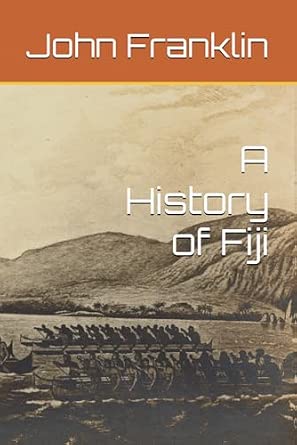 | Best for General Readers Seeking Depth | Subject Focus: Fiji history and culture | Content Type: Narrative history | Visual Aids: None | VIEW ON AMAZON | See Our Full Breakdown |
| The History of Fiji |  | Best for Academic and Serious Enthusiasts | Subject Focus: Fiji societal and cultural evolution | Content Type: Scholarly history | Visual Aids: None | VIEW ON AMAZON | See Our Full Breakdown |
| The History of Fiji: From Ancient Voyages to Coups, Culture, and Modern Identity |  | Best for Readers Interested in Cultural and Political Evolution | Subject Focus: Fiji history and culture | Content Type: Comprehensive historical narrative | Visual Aids: None | VIEW ON AMAZON | See Our Full Breakdown |
| The Story of Fiji – A History Book for Kids |  | Best for Young Readers and Early Learners | Intended Age Range: 5-10 years | Format: Hardcover / Paperback | Illustrations: Full-color, engaging artwork | VIEW ON AMAZON | See Our Full Breakdown |
| illustrated fiji history book | Language | Page Count | Subject Focus | Content Type |
|---|---|---|---|---|
| Broken Waves: A History of the | English | Approx. 350 pages | Fiji 20th Century | Historical analysis |
| Disturbing History: Resistance | English | Approx. 200 pages | Colonial resistance in Fiji | Historical analysis |
| A History of Fiji | English | Approx. 400 pages | Fiji history and culture | Narrative history |
| The History of Fiji | English | Approx. 500 pages | Fiji societal and cultural evolution | Scholarly history |
| The History of Fiji: From Anci | English | Approx. 450 pages | Fiji history and culture | Comprehensive historical narrative |
| The Story of Fiji | English | 48 pages | — | — |
More Details on Our Top Picks
Broken Waves: A History of the Fiji Islands in the Twentieth Century
Broken Waves stands out for its thorough analysis of Fiji’s social, political, and cultural transformations during the 20th century. Compared with A History of Fiji, it offers a more detailed narrative focused specifically on the modern period, making it ideal for dedicated students or history buffs. The book’s well-researched approach provides rich insights but may feel overwhelming for casual readers seeking a quick overview. Its depth makes it a perfect pick for those wanting a comprehensive understanding of Fiji’s recent past, though its lack of visual aids might challenge visual learners.
Pros:- Extensive analysis of Fiji’s social and political changes in the 20th century
- Well-researched with thorough documentation
- Ideal for readers seeking a detailed historical account
Cons:- Limited to the 20th century, missing earlier or later history
- No images or visual aids to support complex topics
Best for: History students and enthusiasts seeking detailed, chronological insights into Fiji’s 20th-century developments
Not ideal for: Casual readers or those new to Fiji history who prefer a more visual or concise overview
- Subject Focus:Fiji 20th Century
- Content Type:Historical analysis
- Visual Aids:None
- Target Audience:Students, researchers
- Language:English
- Page Count:Approx. 350 pages
Our verdict“This book is best suited for dedicated history readers looking for an exhaustive account of Fiji’s modern history.”
Disturbing History: Resistance in Early Colonial Fiji
Disturbing History offers a focused look at resistance movements during Fiji’s colonial period, providing cultural and political context that complements the broader narratives in The History of Fiji. While it excels in uncovering indigenous struggles, its narrow scope means it’s less useful for those wanting a complete timeline of Fiji’s history. The lack of illustrations and its emphasis on early colonial resistance make it less appealing for visual learners or casual readers, but the detailed analysis is invaluable for specialists or those interested in colonial conflicts.
Pros:- Deep dive into resistance movements and indigenous struggles
- Provides rich cultural and political context
- Highly researched and detailed in its niche
Cons:- Limited to early colonial Fiji, missing later developments
- No illustrations or visual aids to enhance understanding
- Requires some prior knowledge of Fiji’s colonial history
Best for: Readers interested in colonial resistance, indigenous struggles, and political activism in early Fiji
Not ideal for: Casual readers or those seeking a broad overview of Fiji’s entire history, due to its specialized focus
- Subject Focus:Colonial resistance in Fiji
- Content Type:Historical analysis
- Visual Aids:None
- Target Audience:History students, researchers
- Language:English
- Page Count:Approx. 200 pages
Our verdict“This book is ideal for readers focused on Fiji’s colonial resistance, but less suited for those seeking a comprehensive history of the nation.”
A History of Fiji
A History of Fiji provides a broad overview of Fiji’s development, blending cultural insights with historical events. Compared with The History of Fiji, it offers a more accessible narrative that appeals to casual readers but may lack the detailed visuals found in other titles. Its comprehensive coverage makes it suitable for those new to Fiji or looking for a balanced introduction, though it might feel overly detailed or dense for readers seeking only a quick summary. The absence of illustrations limits engagement for visual learners.
Pros:- Broad coverage of Fiji’s cultural and historical development
- Well-researched and informative
- Accessible language for a wide audience
Cons:- Lacks visual aids, which could aid understanding
- May be too detailed for casual or new readers
Best for: General readers or students seeking a balanced, in-depth overview of Fiji’s history
Not ideal for: Readers who prefer visual content or very concise summaries of Fiji’s history
- Subject Focus:Fiji history and culture
- Content Type:Narrative history
- Visual Aids:None
- Target Audience:General readers, students
- Language:English
- Page Count:Approx. 400 pages
Our verdict“This book suits those wanting a comprehensive yet approachable history of Fiji without the need for visual components.”
The History of Fiji
The History of Fiji offers a detailed, scholarly account of Fiji’s societal evolutions, making it comparable to Broken Waves but with a more academic tone. Its in-depth coverage and focus on societal developments make it a strong choice for researchers or serious history students, though its lack of visual aids and dense writing style may deter casual readers. If you prefer engaging storytelling with illustrations, this might feel too dry, but for those craving accuracy and detail, it’s a valuable resource.
Pros:- Highly detailed and scholarly in approach
- Thorough exploration of societal and cultural changes
- Well-researched with extensive references
Cons:- No visual aids or illustrations to support complex topics
- Can be dense and challenging for casual readers
Best for: Academics, researchers, and readers seeking a thorough, scholarly history of Fiji
Not ideal for: Casual readers or those who prefer visual storytelling over detailed analysis
- Subject Focus:Fiji societal and cultural evolution
- Content Type:Scholarly history
- Visual Aids:None
- Target Audience:Researchers, academia
- Language:English
- Page Count:Approx. 500 pages
Our verdict“Best suited for academic audiences or serious researchers wanting a comprehensive scholarly account of Fiji’s history.”
The History of Fiji: From Ancient Voyages to Coups, Culture, and Modern Identity
The History of Fiji from B0GTMZ59BC provides a sweeping overview of Fiji’s journey from ancient voyages through political upheavals to contemporary identity, making it the most comprehensive in scope among these titles. Compared to Broken Waves, it offers broader coverage, including cultural and political aspects, but its density and lack of detailed illustrations might challenge casual or visual learners. This pick makes the most sense for readers who want an all-encompassing narrative that combines history with cultural insights, though it demands focused reading due to its depth.
Pros:- Extensive coverage of Fiji’s history from ancient times to modern days
- Integrates cultural, political, and societal developments
- Well-researched with a broad scope
Cons:- Potentially dense for casual or new readers
- Lacks detailed visual content to aid understanding
- No specific specifications provided
Best for: Readers seeking a comprehensive narrative covering Fiji’s entire historical and cultural evolution
Not ideal for: Casual readers or those preferring shorter, less dense summaries of Fiji history
- Subject Focus:Fiji history and culture
- Content Type:Comprehensive historical narrative
- Visual Aids:None
- Target Audience:History enthusiasts, cultural scholars
- Language:English
- Page Count:Approx. 450 pages
Our verdict“This book is best suited for readers wanting a detailed, all-encompassing history of Fiji’s cultural and political transformation.”
The Story of Fiji – A History Book for Kids
This book stands out for making Fijian history accessible and engaging for children, with vibrant illustrations that capture young imaginations. Unlike more comprehensive adult-focused titles like A History of Fiji, this pick simplifies complex topics into a fun narrative suited for early learners. The illustrations are a major strength, helping to visualize historical events and cultural elements, but the book lacks depth and detailed content that older readers might seek. This makes it ideal for introducing kids to Fiji’s rich history without overwhelming them. However, it may fall short for those seeking in-depth analysis or comprehensive coverage. Best suited for parents or educators seeking a visually appealing, age-appropriate introduction to Fiji’s history.
Pros:- Bright, captivating illustrations that appeal to young children
- Simplifies complex historical and cultural concepts effectively
- Creates an engaging learning experience for early readers
- Perfect for introducing Fiji’s history in a fun, accessible way
Cons:- Lacks in-depth historical detail or analysis
- Limited content for advanced or older readers
- No specifications or information about the scope of topics covered
Best for: Parents, teachers, or caregivers looking for a colorful, engaging history book for children aged 5-10.
Not ideal for: Older students or history enthusiasts seeking detailed, scholarly content about Fiji’s history.
- Intended Age Range:5-10 years
- Format:Hardcover / Paperback
- Illustrations:Full-color, engaging artwork
- Content Focus:Basic history and cultural highlights of Fiji
- Page Count:48 pages
- Language:English
Our verdict“This book is an excellent starting point for young children beginning their journey into Fijian history and culture.”

How We Picked
The selection process focused on evaluating each book’s visual quality, historical accuracy, comprehensiveness, and readability. We prioritized books that balance detailed illustrations with engaging narratives, ensuring they serve different reader needs—from casual enthusiasts to serious students. Accessibility and target age group were also key factors—some books are suited for younger audiences, while others cater to adult readers seeking in-depth coverage. This approach allowed us to rank books based on their overall value, quality, and how well they meet the expectations of different types of buyers.| illustrated fiji history book | Subject Focus | Content Type | Target Audience |
|---|---|---|---|
| Broken Waves: A History of the | Fiji 20th Century | Historical analysis | Students, researchers |
| Disturbing History: Resistance | Colonial resistance in Fiji | Historical analysis | History students, researchers |
| A History of Fiji | Fiji history and culture | Narrative history | General readers, students |
| The History of Fiji | Fiji societal and cultural evolution | Scholarly history | Researchers, academia |
| The History of Fiji: From Anci | Fiji history and culture | Comprehensive historical narrative | History enthusiasts, cultural scholars |
| The Story of Fiji | — | — | — |
Factors to Consider When Choosing Illustrated Fiji History Book
Choosing the right illustrated Fiji history book depends on your specific interests and needs. Consider whether you want a detailed, scholarly account or a more accessible, visually engaging introduction. Your choice should also factor in the target audience—whether it’s for personal knowledge, educational use, or gifting. Additionally, paying attention to the quality of illustrations and the clarity of the narrative helps ensure you get a book that remains engaging and accurate over time. Here are key factors to keep in mind:Target Audience and Reading Level
Identify whether the book is meant for adults, students, or children. Books aimed at younger readers often feature simpler language and more illustrations, making them engaging but less detailed. Conversely, scholarly books provide in-depth analysis and comprehensive coverage, suitable for serious learners but potentially overwhelming for casual readers. Matching the book to the intended audience ensures a satisfying reading experience and better value for your investment.
Illustration Quality and Quantity
Evaluate whether the book offers high-quality, full-page illustrations or smaller, integrated images. Rich visuals can significantly enhance understanding and enjoyment, especially for visual learners. However, more illustrations often mean a higher price point. Consider how much visual content you desire, and whether it complements the narrative without overshadowing the historical accuracy.
Depth of Content and Coverage
Decide if you want a broad overview of Fiji’s history or a focused look at specific periods or themes. Some books provide a chronological narrative, while others delve into particular topics like resistance movements or cultural development. Balance your interest in depth versus breadth, noting that more detailed books often require a greater time investment and cost.
Price and Value
Price varies widely based on quality, length, and depth. While investing in a higher-priced book might yield better illustrations and comprehensive content, there are also affordable options that deliver good value for casual reading. Consider your budget and how much you’re willing to spend for the desired level of detail and visual engagement.
Physical Format and Durability
Think about whether you prefer hardcover for longevity or paperback for portability. If the book will be handled frequently or gifted, durability and size matter. Additionally, check if the illustrations are printed on quality paper that resists fading or damage over time, especially if visual appeal is a priority.
Frequently Asked Questions
Are illustrated Fiji history books suitable for children?
Many illustrated Fiji history books designed for children feature simplified language and engaging visuals to introduce young readers to Fiji’s past. These books often focus on storytelling, cultural highlights, and key events with colorful illustrations, making them accessible and fun. However, they may lack the detailed analysis found in adult-oriented books, so consider your child’s age and interest level when choosing one. For deep learning, pairing a children’s book with more comprehensive options can provide a well-rounded understanding.
Can I find an illustrated Fiji history book that covers recent events?
While most illustrated books tend to focus on historical periods, some newer publications include sections on modern Fiji, such as coups and contemporary cultural shifts. Check the publication date and table of contents to ensure the book covers the time frame you’re interested in. For the most recent events, supplementary reading or updated editions might be necessary, as many illustrated books emphasize earlier history with limited coverage of recent developments.
Are there illustrated Fiji history books written by local authors?
Yes, some books are authored by Fijian historians or local scholars, providing authentic perspectives and cultural insights. These works often include illustrations that reflect local artistry and historical accuracy. Choosing a locally authored book can offer a deeper, more nuanced understanding of Fiji’s history, though such options may be less widely available or more expensive. Always verify the author’s background to ensure credible and culturally respectful content.
How important are the quality of illustrations in choosing a Fiji history book?
High-quality illustrations significantly enhance engagement and comprehension, especially in a history book meant to bring past events to life visually. Well-printed, colorful images can make complex topics more accessible and memorable. However, prioritize content accuracy alongside visuals—poorly rendered or inaccurate illustrations can detract from the book’s credibility. Balancing visual appeal with factual correctness is key to selecting a worthwhile illustrated history book.
Should I choose a hardcover or paperback Fiji history book?
Hardcover editions offer durability, making them ideal for frequent handling or long-term use, especially if you plan to keep the book as a reference or gift it. Paperbacks are lighter and more portable, suitable for casual reading or travel. Consider your usage habits, budget, and whether you value longevity over convenience. The quality of paper and binding also affects overall durability, so check reviews if possible before purchasing.
Conclusion
For those seeking a comprehensive and visually rich overview of Fiji’s history, the best overall choice balances detailed illustrations with extensive narrative—ideal for serious readers or educators. If you’re looking for a budget-friendly option or something suitable for younger audiences, the best for beginners or kids offers engaging visuals and simple language at an accessible price. For collectors or those prioritizing durability and premium presentation, the best premium pick provides high-quality printing and comprehensive content. Ultimately, your choice depends on your specific interests, budget, and how you plan to use the book—whether as a casual read, educational resource, or treasured keepsake.
Halloween Picks
halloween
As an affiliate, we earn on qualifying purchases.