

For most Alaska cruise passengers, I’d start with the Columbia Men’s Transverse Hike Waterproof Boots as the best overall balance of wet-weather protection and hiking utility; the SCARPA Men’s Moraine Polar GTX is a stronger fit for colder outings, while the Columbia Women’s Newton Ridge Plus is a versatile choice for trail-focused days. The main tradeoff is between lighter boots that suit damp walks and excursions, and insulated, heavier models built for colder conditions. Waterproofing alone does not guarantee warm feet, comfortable fit, or dependable footing on slick surfaces. I compare the 14 options by intended use, construction, and likely cruise-day practicality below. Read on for the full breakdown and advice on matching a boot to your itinerary.

Get travel and outdoor gear delivered free with Prime
- Fast, free delivery on millions of items
- Prime Video, Amazon Music and more included
- Member-only deals all year
Complete the kit


Key Takeaways
A waterproof hiking boot is the most versatile starting point for mixed cruise excursions: the Transverse and Newton Ridge models are less specialized than the insulated Chilkat snow boots.
Cold-weather protection calls for a different compromise. The Chilkat V models and Moraine Polar GTX prioritize insulation, but their extra warmth and bulk may be unnecessary on mild, active port days.
Two similarly named Columbia options serve different needs: the Newton Ridge Plus II is a hiking shoe, while the Newton Ridge Plus is a boot-style choice with more ankle coverage.
The list spans everyday excursion boots and more demanding hikers. Kenetrek’s Corrie II and SCARPA’s Moraine Polar GTX suit buyers prioritizing serious outdoor use, while lighter NORTIV 8 options put more emphasis on accessible, straightforward wear.
Fit and intended conditions matter more than the word “waterproof.” A boot that accommodates warm socks and remains comfortable after hours of walking may serve a cruise better than a heavier model chosen for insulation alone.
| Timberland Men’s Mt. Maddsen Waterproof Hiking Boots |  | Best Overall for Cruise-to-Trail Versatility | Upper material: Waterproof premium leather | Lining: ReBOTL fabric | Sole material: Rubber | VIEW ON AMAZON | See Our Full Breakdown |
| The North Face Men’s Chilkat V 400 Waterproof Snow Boot |  | Best for Cold-Weather Excursions | Construction: Waterproof leather and suede | Insulation: 400g recycled Heatseeker | Sole material: Ethylene vinyl acetate | VIEW ON AMAZON | See Our Full Breakdown |
| Columbia Women’s Newton Ridge Plus Waterproof Hiking Boot |  | Best for Trail-Focused Day Excursions | Fabric type: EVA | Origin: Imported | Sole material: Rubber | VIEW ON AMAZON | See Our Full Breakdown |
| NORTIV 8 Waterproof Women’s Hiking Boots Armadillo FieldLite |  | Best Lightweight Pick for Easy Excursions | Sole material: EVA and rubber | Shaft height: Ankle | Shaft circumference: 10.9 inches | VIEW ON AMAZON | See Our Full Breakdown |
| Columbia Women’s Newton Ridge Plus Waterproof Hiking Boots |  | Best for Breathable Leather-and-Mesh Comfort | Origin: Imported | Sole material: Rubber | Shaft height: Ankle | VIEW ON AMAZON | See Our Full Breakdown |
| Columbia Men’s Transverse Hike Waterproof Boots | 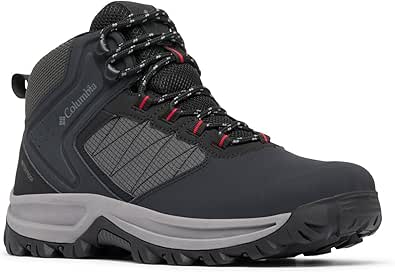 | Best All-Rounder for Wet Shore Excursions | Waterproof technology: OMNI-TECH | Impact absorption: TECHLITE | Traction technology: OMNI-GRIP | VIEW ON AMAZON | See Our Full Breakdown |
| SOREL Women’s Out N About IV Classic Waterproof Boot |  | Best for Rainy Port Days | Sole material: Rubber | Shaft height: Ankle | Shaft circumference: 5.12 inches | VIEW ON AMAZON | See Our Full Breakdown |
| Columbia Men’s Newton Ridge Plus II Waterproof Hiking Shoe |  | Best for Casual Trail Walks | Sole material: Rubber | Shaft height: Ankle | Shaft circumference: 1 inch | VIEW ON AMAZON | See Our Full Breakdown |
| SCARPA Men’s Moraine Polar GTX Hiking Boots |  | Best for Cold-Weather Hiking | Weight: 1 lb 3.2 oz | Upper: Nubuck leather and 100% recycled fabric | Lining: GORE-TEX | VIEW ON AMAZON | See Our Full Breakdown |
| The North Face Men’s Chilkat V Lace-up Waterproof Snow Boot | 200g Insulation |  | Best for Maximum Cold-Weather Warmth | Shaft height: Ankle | Shaft circumference: 4.72 inches | Insulation: 200g Heatseeker recycled insulation | VIEW ON AMAZON | See Our Full Breakdown |
| Columbia Women’s Transverse Waterproof Hiking Boot |  | Best for Lightweight Cruise Excursions | Shaft height: Ankle | Upper material: Leather and mesh | Waterproofing: Waterproof, breathable, seam-sealed construction | VIEW ON AMAZON | See Our Full Breakdown |
| NORTIV 8 Men’s Waterproof Lightweight Hiking Boots |  | Best for Protective Support | Shaft height: Ankle | Shaft circumference: 30.8 cm | Outer material: Suede and faux leather | VIEW ON AMAZON | See Our Full Breakdown |
| NORTIV 8 Men’s Ankle High Waterproof Hiking Boots |  | Best for Everyday Trail-to-Town Wear | Shaft height: Ankle | Shaft circumference: 29.4 cm | Outer material: Nylon and faux leather | VIEW ON AMAZON | See Our Full Breakdown |
| Kenetrek Men’s Corrie II Hiker Hiking Boots |  | Best Premium Pick for Demanding Hikes | Fabric type: 100% leather | Shaft height: 7 inches | Sole material: Rubber | VIEW ON AMAZON | See Our Full Breakdown |
| premium waterproof hiking boots for alaska cruise | Sole material | Shaft height | Shaft circumference |
|---|---|---|---|
| Timberland Men’s Mt. Maddsen W | Rubber | 5 inches | 9.5 inches |
| The North Face Men’s Chilkat V | Ethylene vinyl acetate | Ankle | 4.8 inches |
| Columbia Women’s Newton Ridge | Rubber | — | Less than 6 inches |
| NORTIV 8 Waterproof Women’s Hi | EVA and rubber | Ankle | 10.9 inches |
| Columbia Women’s Newton Ridge | Rubber | Ankle | 1 inch, as listed |
| Columbia Men’s Transverse Hike | Rubber | Ankle | — |
| SOREL Women’s Out N About IV C | Rubber | Ankle | 5.12 inches |
| Columbia Men’s Newton Ridge Pl | Rubber | Ankle | 1 inch |
| SCARPA Men’s Moraine Polar GTX | — | — | — |
| The North Face Men’s Chilkat V | Ethylene vinyl acetate | Ankle | 4.72 inches |
| Columbia Women’s Transverse Wa | — | Ankle | — |
| NORTIV 8 Men’s Waterproof Ligh | EVA and rubber | Ankle | 30.8 cm |
| NORTIV 8 Men’s Ankle High Wate | Rubber | Ankle | 29.4 cm |
| Kenetrek Men’s Corrie II Hiker | Rubber | 7 inches | — |
More Details on Our Top Picks
Timberland Men’s Mt. Maddsen Waterproof Hiking Boots
For an Alaska cruise that mixes wet shore excursions with time around town, I’d put the Mt. Maddsen first for its balance of waterproof protection, trail-ready construction, and casual styling. Its premium waterproof leather and gusseted tongue help keep rain and trail debris out, while the removable anti-fatigue footbed offers a comfort feature that matters on long days of walking. Compared with the more insulated The North Face Chilkat V 400, this boot is better suited to milder, changeable conditions and extended walking, rather than deep cold. The tradeoff is that it does not list insulation, so it is a weaker choice for very cold excursions. Its five-inch shaft may also feel restrictive to some, and laces take longer to manage than a slip-on closure.
Pros:- Waterproof premium leather and a gusseted tongue help shield feet from rain and trail debris.
- Removable anti-fatigue footbed offers a comfort-focused option for long walking days.
- ReBOTL lining and recycled rubber components bring recycled materials into the construction.
- Casual styling works for port walks as well as hiking.
Cons:- No insulation is listed, making it less suited to sustained cold than the Chilkat V 400.
- The five-inch shaft may feel restrictive for some wearers.
- Lace-up fastening takes more time than a simple slip-on design.
Best for: Cruise travelers who want one leather boot for rainy shore walks, moderate trails, and casual wear aboard or in port.
Not ideal for: Travelers expecting prolonged freezing conditions or who want a lightweight, quick-on boot; this model lists no insulation and uses a lace-up closure.
- Upper material:Waterproof premium leather
- Lining:ReBOTL fabric
- Sole material:Rubber
- Shaft height:5 inches
- Heel height:1.5 inches
- Platform height:1 inch
- Shaft circumference:9.5 inches
- Closure:Lace-up
- Waterproof:Yes
Our verdict“Choose the Mt. Maddsen for a versatile, waterproof cruise boot suited to wet walking and moderate trails, not severe cold.”
The North Face Men’s Chilkat V 400 Waterproof Snow Boot
When cold is the main concern, the Chilkat V 400 is the clearest fit in this group: its 400g Heatseeker insulation is built for winter conditions, while waterproof leather and suede and a high-traction outsole suit snowy outdoor use. That warmth separates it from the uninsulated Timberland Mt. Maddsen, which is a more flexible choice for wet, moderate-temperature walking. For Alaska cruise passengers planning cold-weather stops, the Chilkat’s insulation can make standing outdoors more comfortable; the same feature can feel excessive during long walks in milder weather. The description also flags potential weight as a drawback, so I would not rank it first for travelers prioritizing an easy, lighter boot for all-day town walking. It is a winter specialist rather than the most versatile cruise option.
Pros:- 400g recycled Heatseeker insulation is purpose-built for cold conditions.
- Waterproof leather and suede construction suits wet winter outings.
- High-traction outsole is designed for winter terrain.
- More cold-weather protection than the uninsulated Timberland Mt. Maddsen.
Cons:- Potentially heavy for extended walking.
- The substantial insulation may be uncomfortable in milder cruise-port weather.
- Its winter-focused design is less versatile for casual, all-day use than the Mt. Maddsen.
Best for: Travelers planning snowy or very cold shore excursions who value warmth and winter traction over a lighter feel.
Not ideal for: Cruisers expecting mostly mild, rainy walks or long stretches indoors; the 400g insulation may feel too warm, and the boot may feel heavy.
- Construction:Waterproof leather and suede
- Insulation:400g recycled Heatseeker
- Sole material:Ethylene vinyl acetate
- Shaft height:Ankle
- Shaft circumference:4.8 inches
- Outsole:High-traction outsole
- Origin:USA or imported
Our verdict“Pick the Chilkat V 400 if cold, snowy excursions are a priority and you are willing to trade some walking lightness for insulation.”
Columbia Women’s Newton Ridge Plus Waterproof Hiking Boot
The Newton Ridge Plus makes sense for women who expect more trail time than snow time on an Alaska cruise. Its seam-sealed waterproof construction, TECHLITE midsole, and Omni-GRIP rubber outsole target the mix of damp ground and uneven paths common on shore excursions. Compared with the NORTIV 8 Armadillo FieldLite, this Columbia model has specified toe and heel reinforcement and a named traction system, giving trail-focused buyers more concrete protection details. It is still a three-season hiking boot, not an insulated snow boot like the Chilkat V 400, so I would not choose it for prolonged freezing conditions. Fit also deserves attention: the supplied product notes say it may run small. Sizing carefully matters more here than choosing it solely for its lightweight cushioning.
Pros:- Seam-sealed waterproof construction helps protect against wet trail conditions.
- TECHLITE midsole provides lightweight cushioning for walking and hiking.
- Omni-GRIP non-marking rubber outsole is designed for traction across varied terrain.
- Reinforced toe and heel add protection in rougher trail use.
Cons:- May run small, so fit may require careful sizing.
- Not listed as insulated, unlike the Chilkat V 400 snow boot.
- Can feel heavier than minimalist hiking shoes.
Best for: Women planning moderate hikes and rainy, uneven shore paths who want a waterproof boot with cushioning and reinforced toe and heel areas.
Not ideal for: Travelers who need substantial warmth for snowy, freezing outings, or buyers who cannot accommodate a potentially small-running fit.
- Fabric type:EVA
- Origin:Imported
- Sole material:Rubber
- Shaft circumference:Less than 6 inches
- Waterproof:Yes
- Midsole technology:TECHLITE
- Traction:Omni-GRIP non-marking rubber outsole
- Reinforced areas:Toe and heel
- Closure:Lace-up
Our verdict“Choose this Columbia for cushioned, waterproof trail walking, but look to an insulated boot if your excursions will be consistently cold.”
NORTIV 8 Waterproof Women’s Hiking Boots Armadillo FieldLite
For travelers who care more about a lighter feel than a rugged, cold-weather build, the Armadillo FieldLite offers a different balance from the Columbia Newton Ridge Plus. The listed weight of 12.7 ounces per shoe in size 6, ankle-height profile, and EVA-and-rubber sole suit day walks, urban port stops, and lighter outdoor use. Waterproof protection and all-terrain traction add useful flexibility for damp paths, though the product notes specifically caution that traction can be limited on wet indoor surfaces. Compared with the more trail-defined Columbia, this NORTIV 8 is positioned for versatile light use rather than demanding hikes. Its nylon and TPU outer material also differs from the leather-led Timberland Mt. Maddsen. I would skip it for severe weather or technical terrain: its description points to light outdoor use, not a winter-hiking role.
Pros:- Listed weight of 12.7 ounces per shoe in size 6 supports a lighter walking feel.
- Waterproof protection suits light rain and damp conditions.
- EVA and rubber sole combines cushioning material with rubber components.
- Ankle-height profile works for both casual outings and light outdoor use.
Cons:- Traction may be limited on wet indoor surfaces.
- May require a half-size increase for wide feet.
- Primarily intended for light outdoor use, rather than demanding hikes or severe winter conditions.
Best for: Women who want a lightweight ankle boot for casual port walking, light hikes, and damp-weather errands.
Not ideal for: Hikers tackling demanding, rocky routes or travelers expecting freezing snow; this model is described for light outdoor use and does not list insulation.
- Sole material:EVA and rubber
- Shaft height:Ankle
- Shaft circumference:10.9 inches
- Outer material:Nylon and TPU
- Weight:12.7 oz per shoe, size 6
- Waterproof:Yes
Our verdict“Choose the Armadillo FieldLite for lightweight, casual wet-weather walking, not technical trails or cold-weather hiking.”
Columbia Women’s Newton Ridge Plus Waterproof Hiking Boots
This Newton Ridge Plus listing suits women who want the familiar waterproof hiking-boot format with a leather-and-mesh construction and an emphasis on breathability. Its rubber sole and Omni-Grip traction are useful for wet, uneven paths, while the lace-up closure allows a more adjustable fit than a fixed entry. Compared with the other Columbia Newton Ridge Plus in this roundup, this listing highlights breathable mesh and adjustable lacing; the other provides more detail on its TECHLITE midsole and reinforced toe and heel. The tradeoff is limited specification detail here: the supplied shaft circumference is listed as just one inch, which does not give a dependable picture of fit. It also has no listed insulation, so I’d treat it as a wet-weather hiking boot rather than a snow-focused choice.
Pros:- Waterproof full-grain leather and mesh construction combines weather protection with breathability.
- Omni-Grip traction is designed for rough terrain.
- Lace-up closure allows adjustment around the foot.
- Rubber sole provides a durable hiking-oriented base.
Cons:- The supplied shaft circumference of one inch is unclear and does not offer useful fit guidance.
- No insulation is listed for cold-weather excursions.
- The product data gives fewer construction and cushioning details than the other Newton Ridge Plus listing.
Best for: Women seeking a waterproof leather-and-mesh boot for breathable comfort on damp day hikes and cruise-port walks.
Not ideal for: Buyers who need clearly specified fit dimensions or warmth for snowy, freezing excursions; this listing provides limited shaft data and no insulation specification.
- Origin:Imported
- Sole material:Rubber
- Shaft height:Ankle
- Shaft circumference:1 inch, as listed
- Upper construction:Waterproof full-grain leather and mesh
- Traction system:Omni-Grip
- Closure:Lace-up
Our verdict“Pick this Newton Ridge Plus for breathable waterproof walking, but choose a better-specified insulated model for cold or snowy outings.”
Columbia Men’s Transverse Hike Waterproof Boots
For a cruise itinerary mixing damp port walks with moderate trails, the Columbia Men’s Transverse Hike offers a more hiking-focused balance than the rubber-heavy SOREL Out N About IV. Its OMNI-TECH waterproof-breathable construction pairs with a leather-and-mesh upper, aiming to keep rain out without the feel of a fully rubberized duck boot. Underfoot, TECHLITE cushioning absorbs impact on longer walks, while OMNI-GRIP rubber is intended for traction across varied terrain. That makes this a sensible middle ground when you want one boot for town and trail. The tradeoff is less cold-weather specialization than the SCARPA Moraine Polar GTX, which adds insulation for winter conditions. The listed one-inch shaft circumference is unusual and may reflect a data issue, so I would verify fit details before buying.
Pros:- OMNI-TECH construction is designed to keep rain out while allowing breathability.
- TECHLITE cushioning helps soften impact during extended shore walks.
- OMNI-GRIP outsole is designed for traction across varied terrain.
- Leather-and-mesh upper balances durable coverage with a less bulky build than a rubber duck boot.
Cons:- Does not provide the insulation of the SCARPA Moraine Polar GTX or The North Face Chilkat V.
- The listed one-inch shaft circumference appears unusual and should be checked against sizing information.
- May feel heavier than a lightweight trail shoe on long, fast-paced hikes.
Best for: Cruisers planning rainy port walks and moderate day hikes who want breathable waterproof protection rather than a dedicated snow boot.
Not ideal for: Travelers expecting sustained freezing temperatures or deep snow, or anyone who needs confirmed shaft-fit measurements before ordering.
- Waterproof technology:OMNI-TECH
- Impact absorption:TECHLITE
- Traction technology:OMNI-GRIP
- Upper:Leather and mesh
- Sole material:Rubber
- Shaft height:Ankle
- Cushioned collar:Yes
Our verdict“Choose the Transverse if your Alaska cruise calls for one breathable, waterproof boot for wet walks and moderate trails, not insulated winter trekking.”
SOREL Women’s Out N About IV Classic Waterproof Boot
The SOREL Out N About IV is the lineup’s clearest choice for wet sidewalks, dockside stops, and casual sightseeing rather than sustained trail mileage. Its waterproof upper and vulcanized rubber foxing suit sloppy rain better than a conventional hiking boot, while the molded PU footbed offers cushioning for a day spent walking around town. Compared with the Columbia Men’s Transverse Hike, this is the more rain-oriented, less trail-specific design; the Columbia offers hiking-focused traction and cushioning for rougher routes. The Out N About IV’s molded EVERTREAD rubber outsole adds practical grip, but its ankle-height cut is not meant for deep snow or water above the boot opening. The rubber-and-leather construction may also feel heavier than a hiking boot, and it gives up the insulation found in the SCARPA Moraine Polar GTX.
Pros:- Waterproof upper and rubber foxing suit wet sidewalks and rainy port stops.
- Molded PU footbed provides cushioning for extended casual walking.
- EVERTREAD rubber outsole is designed for everyday grip.
- Heel pull tab makes the ankle boot easier to put on and remove.
Cons:- Ankle-height coverage is limited in deep snow, slush, or water.
- Rubber and leather construction may feel heavier than the Columbia Men’s Transverse Hike.
- Less suited to rugged trail hiking than hiking-focused boots in this roundup.
Best for: Cruisers prioritizing waterproof comfort for rainy town walks, wet promenades, and casual outings over rugged hiking.
Not ideal for: Hikers planning steep, rocky trails or travelers who need insulation and extra coverage for snow or deep slush.
- Sole material:Rubber
- Shaft height:Ankle
- Shaft circumference:5.12 inches
- Footbed:Molded PU
- Midsole:Molded PU with vulcanized rubber foxing tape
- Outsole:Molded EVERTREAD rubber
- Upper options:Waterproof leather, suede, suede with felt collar, felt with leather collar, or houndstooth textile with leather collar
- Heel pull tab:Yes
Our verdict“Pick the Out N About IV for waterproof comfort on rainy cruise stops, but choose a hiking boot for challenging trails or a snow boot for cold conditions.”
Columbia Men’s Newton Ridge Plus II Waterproof Hiking Shoe
The Columbia Men’s Newton Ridge Plus II suits travelers who want waterproof protection and trail-ready construction without choosing a cold-weather boot. Its waterproof leather-and-mesh upper helps shield against rain and trail splash, while a lightweight midsole is intended to cushion each step on day hikes. Compared with the Columbia Men’s Transverse Hike, it shares the all-purpose hiking brief but has fewer listed construction details, so the Transverse is easier to evaluate for named cushioning and traction technologies. The Newton Ridge’s rubber outsole is designed for grip on rough terrain, and its adjustable laces help secure the fit. It does not add insulation like the SCARPA Moraine Polar GTX or The North Face Chilkat V, making it a better match for cool, wet outings than snowy, freezing excursions. Sole wear may be a concern with heavy use.
Pros:- Waterproof leather-and-mesh construction provides protection from rain and trail splash.
- Lightweight midsole is designed to cushion steps on day hikes.
- Rubber outsole is intended to grip rough terrain.
- Adjustable lace-up closure allows a more secure fit.
Cons:- No insulation is listed, unlike the SCARPA Moraine Polar GTX and The North Face Chilkat V.
- The supplied specifications do not identify named waterproof or traction technologies.
- The sole may wear with heavy, repeated use.
Best for: Cruisers seeking a waterproof, ankle-height hiking option for moderate trails and damp walking days without added insulation.
Not ideal for: Travelers expecting icy winter routes, deep snow, or frequent heavy-duty use that could wear down the sole.
- Sole material:Rubber
- Shaft height:Ankle
- Shaft circumference:1 inch
- Origin:Imported
- Upper:Waterproof leather and mesh
- Midsole:Lightweight midsole
- Closure:Adjustable lace-up
Our verdict“Choose the Newton Ridge Plus II for moderate wet-weather hikes, not icy routes or sustained cold.”
SCARPA Men’s Moraine Polar GTX Hiking Boots
Among these options, the SCARPA Moraine Polar GTX is the strongest match for cruise travelers planning cold, snowy walks rather than mostly rainy port days. Its GORE-TEX lining provides waterproof protection, while PrimaLoft Pure insulation adds warmth absent from the Columbia Men’s Transverse Hike. The Presa HIK-05 outsole is described as suited to icy and rocky terrain, giving this boot a more winter-focused footing than the SOREL Out N About IV’s everyday rain design. Its nubuck leather and recycled-fabric upper combine sturdy coverage with recycled material content. The tradeoff is warmth and heft: insulation can feel excessive on mild, wet excursions, and it is less suited to quick, lightweight sightseeing than the Columbia Men’s Newton Ridge Plus II. The listed size is specific, so buyers should check sizing and allow for a possible break-in period.
Pros:- GORE-TEX lining provides waterproof, breathable protection.
- PrimaLoft Pure insulation adds warmth for cold-weather outings.
- Presa HIK-05 outsole is designed for icy and rocky terrain.
- Nubuck leather and recycled-fabric upper offers durable coverage with recycled material content.
Cons:- Insulation and construction may feel too warm or heavy for mild-weather port walks.
- May require a break-in period before longer hikes feel comfortable.
- Less suited to casual rainy-day use than the SOREL Out N About IV.
Best for: Cruisers who expect cold-weather hikes or snowy shore excursions and want waterproof construction with built-in insulation.
Not ideal for: Travelers mostly walking in mild rain, seeking a lightweight casual boot, or wanting to avoid a break-in period.
- Weight:1 lb 3.2 oz
- Upper:Nubuck leather and 100% recycled fabric
- Lining:GORE-TEX
- Insulation:PrimaLoft Pure
- Footbed:Nylon
- Midsole:2D EVA-CM
- Outsole:Presa HIK-05, H-Compound
- Listed size:EU 42 / US 9
Our verdict“Choose the Moraine Polar GTX when cold and snow are central to your Alaska plans; skip it if your days are mainly mild, wet sightseeing.”
The North Face Men’s Chilkat V Lace-up Waterproof Snow Boot | 200g Insulation
The North Face Men’s Chilkat V Lace is a snow boot first, making it the better pick over the Columbia Men’s Newton Ridge Plus II when low temperatures matter more than a lighter hiking feel. Its 200g Heatseeker recycled insulation is intended to retain warmth in cold conditions, and the waterproof build adds protection in snow and slush. The ankle-height shaft gives it less coverage than a taller snow boot, but the wider listed circumference may suit buyers who want more room around the ankle. Compared with the insulated SCARPA Moraine Polar GTX, the Chilkat’s appeal centers on snow-boot warmth rather than a hiking-specific combination of GORE-TEX and a named technical outsole. The tradeoff is bulk: this design may feel heavy during long trail days, and its insulation may be excessive for mild, rainy port walks.
Pros:- 200g Heatseeker recycled insulation is designed for cold-weather warmth.
- Waterproof construction is suited to snow and slush.
- Ankle shaft is easier to wear casually than a taller winter boot.
- Designed for traction on snowy terrain.
Cons:- May feel heavy during extended hiking or long days on foot.
- Ankle-height coverage offers less protection than a taller snow boot.
- Likely too warm for mild rainy outings compared with the Columbia Men’s Transverse Hike.
Best for: Cruisers expecting cold, snowy conditions who want an insulated waterproof boot for winter walks and general outdoor use.
Not ideal for: Travelers focused on long hikes, mild-weather sightseeing, or a lighter boot for mixed rain and trail use.
- Shaft height:Ankle
- Shaft circumference:4.72 inches
- Insulation:200g Heatseeker recycled insulation
- Sole material:Ethylene vinyl acetate
- Waterproof:Yes
- Closure:Lace-up
- Made in:USA or imported
Our verdict“Choose the Chilkat V Lace for cold, snowy cruise excursions; for milder rain and longer trail walks, a hiking-focused boot is a better fit.”
Columbia Women’s Transverse Waterproof Hiking Boot
For Alaska cruise port days that mix wet sidewalks, packed trails, and moderate rain or snow, the Columbia Women’s Transverse pairs seam-sealed waterproofing with a breathable leather-and-mesh upper. Its TECHLITE cushioning absorbs impact while staying lightweight, a useful combination for long stretches of walking ashore. The OMNI-GRIP outsole is designed for wet and dry surfaces, giving it a more hike-ready focus than the SOREL Women’s Out N About IV Classic, which leans toward casual wet-weather wear. The tradeoff is its stated range: protection is aimed at moderate conditions, not prolonged exposure to severe weather or deep snow. I’d choose it for active shore excursions, but not as a substitute for an insulated winter boot when cold is the main concern.
Pros:- Waterproof, breathable, seam-sealed construction suits wet port days
- Lightweight TECHLITE cushioning absorbs impact during extended walking
- OMNI-GRIP outsole is designed for wet and dry terrain
- Leather-and-mesh upper balances durability with breathability
Cons:- Protection may be limited in severe weather or deep snow
- No insulation is specified for sustained cold
- Ankle-height coverage offers less protection than taller boots
Best for: Women who want a lightweight, waterproof boot for cruise excursions on damp trails and town paths in moderate weather.
Not ideal for: Travelers expecting deep snow, severe weather, or long periods in intense cold; this boot is described for moderate rain and snow, not those conditions.
- Shaft height:Ankle
- Upper material:Leather and mesh
- Waterproofing:Waterproof, breathable, seam-sealed construction
- Cushioning:TECHLITE lightweight impact absorption with high energy return
- Outsole:OMNI-GRIP rubber
- Traction use:Wet and dry terrain
- Origin:Imported
Our verdict“Choose the Transverse for active, moderate-weather shore excursions where lighter cushioning matters more than insulation or deep-snow coverage.”
NORTIV 8 Men’s Waterproof Lightweight Hiking Boots
The NORTIV 8 Men’s Waterproof Lightweight Hiking Boots suit travelers who want practical protection for uneven trails as well as wet town walks. A waterproof membrane helps keep feet dry, while the reinforced toe cap and heel add protection where boots can take knocks on rocky paths or busy excursions. Its removable cushioned insole also gives buyers the option to adjust their setup. Compared with the more explicitly lightweight-cushioned Columbia Women’s Transverse, this NORTIV 8 places clearer emphasis on reinforcement and support, though its description also warns that it may feel heavy during extended wear. The suede and faux-leather outer materials may need upkeep to limit wear. I’d favor it for buyers prioritizing guarded construction over a low-weight feel, but skip it if minimizing boot weight is your main goal.
Pros:- Waterproof membrane helps keep feet dry in wet conditions
- Reinforced toe cap and heel add protection and support
- Slip-resistant rubber outsole is designed for varied terrain
- Removable cushioned insole allows some flexibility in comfort setup
Cons:- May feel heavy during extended wear
- Suede and faux-leather materials may need maintenance
- No insulation or specific cold-weather rating is provided
Best for: Men seeking waterproof ankle boots with reinforced toe and heel protection for mixed cruise-port walks and outdoor activities.
Not ideal for: Hikers who prioritize the lightest possible footwear for long walking days, or buyers unwilling to maintain suede and faux-leather materials.
- Shaft height:Ankle
- Shaft circumference:30.8 cm
- Outer material:Suede and faux leather
- Sole material:EVA and rubber
- Waterproofing:Waterproof membrane
- Insole:Removable cushioned insole
- Protection:Reinforced toe cap and heel
- Outsole:Slip-resistant rubber
Our verdict“Pick these NORTIV 8 boots if reinforcement and a removable cushioned insole matter more to you than keeping footwear especially light.”
NORTIV 8 Men’s Ankle High Waterproof Hiking Boots
The NORTIV 8 Men’s Ankle High is the straightforward everyday option in this group: waterproof protection, slip-resistant traction, and cushioning for outdoor use that can also extend to daily wear. Its flexible midsole and shock-absorbent insole make it a practical choice for travelers splitting time between port paths and casual hikes. Against the more reinforced NORTIV 8 Men’s Waterproof Lightweight Hiking Boots, this model’s listed strengths lean more toward flexible comfort than a reinforced toe cap and heel. That distinction may suit routine walking, but buyers should note the reported potential for a tight fit on wider feet. It may also feel heavy to some wearers, so I wouldn’t choose it for those who want a notably light boot. The material details list nylon and faux leather, rather than a leather upper.
Pros:- Waterproof construction suits damp outdoor walks
- Slip-resistant rubber outsole supports traction on varied surfaces
- Shock-absorbent insole and flexible midsole support comfortable walking
- Nylon and faux-leather materials are suited to outdoor and daily use
Cons:- May feel heavy during extended wear
- Fit may be tight for wider feet
- No insulation or specific cold-weather rating is listed
Best for: Men who want one waterproof ankle boot for casual hikes, daily wear, and varied outdoor walking during a cruise.
Not ideal for: Travelers with wider feet who often need extra forefoot room, or hikers who want the lightest footwear for long excursions.
- Shaft height:Ankle
- Shaft circumference:29.4 cm
- Outer material:Nylon and faux leather
- Sole material:Rubber
- Waterproofing:Waterproof construction
- Midsole:Flexible
- Insole:Shock-absorbent
- Traction:Slip-resistant
Our verdict“Choose this NORTIV 8 for flexible everyday use across trails and town, provided the fit works for your foot width.”
Kenetrek Men’s Corrie II Hiker Hiking Boots
The Kenetrek Men’s Corrie II Hiker is the most trail-focused choice here for buyers who expect demanding terrain beyond the usual cruise-port walk. Its 7-inch, 100% leather construction, waterproof breathable membrane, and reinforced toe and heel guards point to a more protective build than the ankle-height Columbia Women’s Transverse. Grapon outsoles add reliable traction, while the boot is described as lightweight for its durable construction. That taller leather build has a cost in convenience: it may need a break-in period, and it can feel heavier than trail-specific lightweight shoes. The listing provides no insulation details, so I would not treat it as a cold-weather boot just because it offers waterproofing. This is the premium-leaning pick for hikers who value protection and durability over immediate flexibility.
Pros:- Waterproof breathable membrane helps manage wet conditions
- Reinforced toe and heel guards add abrasion resistance
- Grapon outsole provides reliable traction
- Durable leather construction is suited to demanding outdoor use
Cons:- Leather may require a break-in period
- May feel heavier than trail-specific lightweight footwear
- Insulation is not specified, limiting confidence for sustained cold
Best for: Men planning demanding hikes on an Alaska cruise and seeking a taller leather boot with waterproofing and reinforced guards.
Not ideal for: Travelers focused mainly on casual port walking, wanting a quick break-in, or needing documented insulation for sustained cold.
- Fabric type:100% leather
- Shaft height:7 inches
- Sole material:Rubber
- Waterproofing:Waterproof breathable membrane
- Outsole:Grapon
- Reinforcement:Toe and heel guards
- Origin:Imported
Our verdict“Choose the Corrie II if demanding hikes and protective leather construction matter more than quick break-in or a lightweight feel.”

How We Picked
I ranked these boots for the mix of conditions a cruise passenger may encounter: rain, wet paths, uneven shore-excursion trails, and, on colder itineraries, snow or low temperatures. I compared each model’s stated purpose and construction, giving more weight to useful waterproof protection, hiking-oriented support, and day-long practicality than to extreme-weather features that many travelers may not need. Insulation and winter-focused design counted as advantages for cold-weather buyers, but not as automatic benefits for every Alaska cruise.
The order reflects those tradeoffs. Versatile waterproof hikers lead because they can suit a wider range of damp excursions; specialized snow boots and technical hiking models follow for narrower conditions or priorities. I also considered whether a boot’s height, weight, and intended activity could make it less convenient for travel. The lineup includes men’s, women’s, and differently named versions, so I treat each listed product as its own option and avoid assuming that similar model names mean identical fit or construction.
| premium waterproof hiking boots for alaska cruise | Sole material |
|---|---|
| Timberland Men’s Mt. Maddsen W | Rubber |
| The North Face Men’s Chilkat V | Ethylene vinyl acetate |
| Columbia Women’s Newton Ridge | Rubber |
| NORTIV 8 Waterproof Women’s Hi | EVA and rubber |
| Columbia Women’s Newton Ridge | Rubber |
| Columbia Men’s Transverse Hike | Rubber |
| SOREL Women’s Out N About IV C | Rubber |
| Columbia Men’s Newton Ridge Pl | Rubber |
| SCARPA Men’s Moraine Polar GTX | — |
| The North Face Men’s Chilkat V | Ethylene vinyl acetate |
| Columbia Women’s Transverse Wa | — |
| NORTIV 8 Men’s Waterproof Ligh | EVA and rubber |
| NORTIV 8 Men’s Ankle High Wate | Rubber |
| Kenetrek Men’s Corrie II Hiker | Rubber |
Factors to Consider When Choosing Premium Waterproof Hiking Boots For Alaska Cruises
I’d choose a pair around the actual excursions and temperatures on my itinerary, rather than buying the warmest-looking boot by default. These broader checks can help avoid common fit and packing mistakes that product features alone cannot settle.
Match Insulation to Your Itinerary
Waterproofing helps keep rain and puddles out, but it does not provide the same warmth as insulation. On active walks in damp, cool weather, a non-insulated hiking boot may feel more comfortable than a heavy snow boot. For colder ports or long periods outdoors, insulation can be useful, especially if your feet tend to get cold. Think about the time you’ll spend moving versus standing still; walking generates warmth, while wildlife viewing or waiting on a dock can leave feet colder. A common mistake is choosing maximum insulation without considering cabin-to-port changes or warmer days. If you are unsure, prioritize a comfortable fit with room for the socks you plan to wear rather than sizing around thick socks you may not need.
Prioritize Fit for Long Days
A boot can feel fine indoors and still cause pressure or rubbing after a full excursion. Try it with the socks you expect to pack, and check that your toes have room on downhill steps while your heel stays stable. Extra ankle height does not automatically mean better comfort; the collar and lacing need to work with your ankle shape. Allow time to break in leather or stiffer footwear before the trip, rather than making a new pair your only option on the first port day. If you use orthotics, check whether the insole can be removed and whether the boot has enough volume. A secure, comfortable fit is usually a better travel choice than selecting a model for a feature you may rarely use.
Think About the Surface, Not Just the Weather
Alaska cruise excursions can involve wet pavement, packed gravel, muddy paths, or more rugged trails, and each puts different demands on footwear. A boot designed for hiking may offer more support on uneven ground than a casual waterproof shoe, while a snow boot may be warmer but less convenient for brisk walking. No tread pattern makes every slick surface safe, so slow down on wet wooden walkways and follow local guidance. Consider how much time you’ll spend on trails compared with town streets before choosing a stiff, technical boot. Buyers sometimes focus only on waterproof membranes and overlook outsole grip and stability. If your plans are mostly short walks on maintained paths, a highly technical boot may add bulk without much practical benefit.
Balance Waterproofing With Breathability
Waterproof construction can protect against rain and splashes, but feet may still get damp from sweat during sustained activity. This matters on excursions that combine uphill walking with changing temperatures. Pair boots with socks suited to the weather, and avoid cotton if you expect prolonged wet conditions. Let boots dry fully between outings when possible; damp footwear can become uncomfortable even when water did not leak through the upper. A waterproof model is not a substitute for gaiters in deep, wet snow or for keeping water below the boot opening. Choose based on the exposure you expect, since extra weather protection may bring more warmth and less airflow.
Decide How Much Boot You Want to Pack
Boot height, stiffness, and insulation affect more than trail performance: they also influence luggage space and how easy the pair is to wear through an airport. A lighter hiking shoe can pack and walk differently from a tall snow boot, but it offers less coverage around the ankle. If the boots will be your main excursion footwear, prioritize comfort and versatility over a compact shape. If you plan to bring a separate casual shoe, a specialized cold-weather boot may make sense for a colder itinerary. Check airline baggage limits and consider wearing bulky boots during travel rather than placing them in a suitcase. The right choice depends on whether you value one adaptable pair or footwear tailored to distinct conditions.
Pay for Features You Will Use
A more technical or rugged boot can be worthwhile if your plans include longer hikes, rough terrain, or repeated outdoor use beyond the cruise. For short, guided excursions on maintained routes, that level of construction may add weight and stiffness without improving your day. Likewise, insulation is useful when cold exposure is likely, but can feel excessive during active walks in milder weather. Look beyond the word “premium” and identify which specific benefit matters to you: support, warmth, weather protection, or durability. Compare those needs with how often you expect to wear the boots after the trip. A sensible purchase is the one whose features match your actual routes, not the one with the most specialized description.
Frequently Asked Questions
Are insulated snow boots necessary for an Alaska cruise?
Not for every cruise or excursion. If your plans center on active walks in cool, wet weather, a waterproof hiking boot may be more comfortable and versatile than a heavily insulated snow boot. Insulation becomes more appealing for colder dates, snow conditions, or outings where you’ll be standing outside for extended periods. Check expected conditions for each port and think about how active your excursions will be. When warmth is uncertain, fit the boot with the socks you’ll actually wear rather than assuming a thicker sock will solve every cold-weather concern.
Should I choose a hiking boot or a hiking shoe for shore excursions?
Choose based on terrain, ankle coverage preference, and how much support you want, rather than assuming one style is right for every port. A hiking boot can offer more coverage on uneven or muddy routes, while a hiking shoe may feel lighter and less bulky on maintained paths. Neither shape guarantees a comfortable fit, so try the pair on with your excursion socks and walk on an incline if possible. Consider whether you’ll carry a day pack or spend many hours on your feet, since comfort over time matters more than appearance. For mixed plans, a mid-height waterproof hiker is often the more adaptable compromise.
Can one pair of boots handle both rainy port walks and colder excursions?
Often, but the compromise is warmth versus versatility. A waterproof hiking boot can handle rain and active walking well, though it may not feel warm enough during a long, cold stop. An insulated snow boot adds warmth but can feel bulky on warmer or more strenuous walks. Look at the coldest activity on your itinerary, then decide whether your socks and walking pace can cover the difference. If you expect genuinely cold, snowy conditions as well as mild rainy days, a second footwear option may be more comfortable than asking one pair to suit both extremes.
How should I choose a size if I plan to wear thick socks?
Try the boots with the exact socks you plan to pack, since a thicker sock changes both toe room and how securely the heel sits. Your toes should not press against the front when walking downhill, but excess space can let your foot slide and cause rubbing. Check that lacing can hold the midfoot comfortably without creating pressure across the top of your foot. Do not automatically size up based on the assumption that every Alaska outing requires the thickest socks. If you use orthotics, test them in the boot before making a final choice.
Is a waterproof boot enough for snow and slush?
It depends on how deep the snow is and how long you’ll be outside. Waterproof uppers help with wet conditions, but water can enter over the top if snow or slush reaches the opening. A taller, insulated boot may suit deeper snow or extended cold exposure better than a low hiking shoe. For shallow slush on a short walk, a waterproof hiking boot may be adequate if it fits securely and you stay aware of the opening height. Check excursion details and local conditions, and do not treat waterproof construction as a substitute for warmth or snow coverage.
Conclusion
For a single pair aimed at varied wet-weather excursions, I’d choose the Columbia Men’s Transverse Hike Waterproof Boots as best overall, while the Columbia Women’s Newton Ridge Plus is a strong women’s hiking-boot alternative. For value-minded buyers seeking a straightforward waterproof option, I’d compare the NORTIV 8 Waterproof Women’s Hiking Boots Armadillo FieldLite and NORTIV 8 Men’s Waterproof Lightweight Hiking Boots against their fit and intended use. Beginners who want a familiar hiking-boot format can start with the Newton Ridge models, choosing the shoe version only if they prefer a lower, lighter style. For colder excursions, the SCARPA Moraine Polar GTX or a The North Face Chilkat V snow boot makes more sense than a non-insulated hiker; for buyers prioritizing a more demanding hiking use, look at the Kenetrek Corrie II. I’d make the final call based on fit, expected temperatures, and the terrain you’ll actually walk.
Halloween Picks
halloween
As an affiliate, we earn on qualifying purchases.