
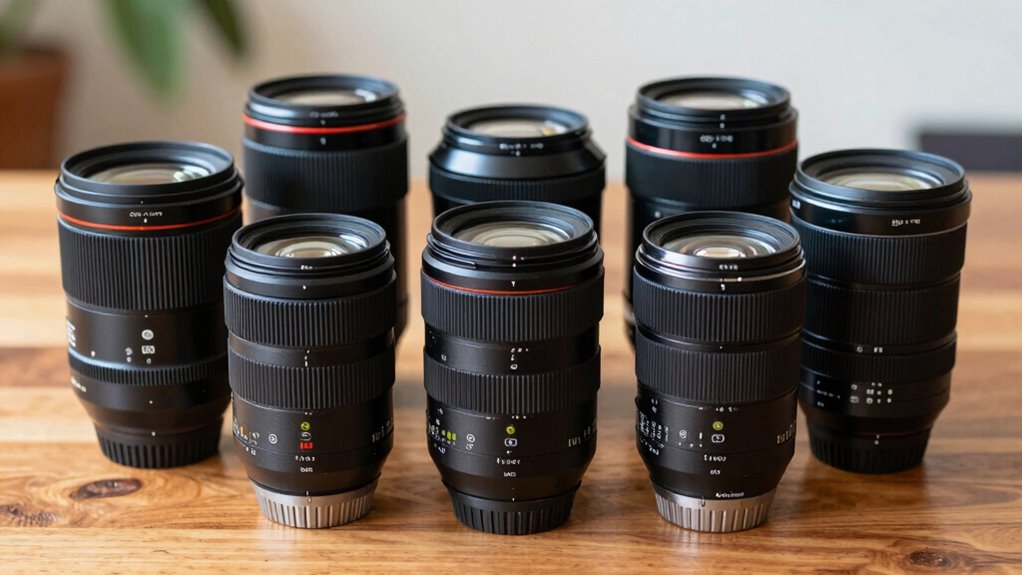

Travel zoom lenses for mirrorless cameras offer the flexibility to capture stunning scenes without changing lenses, making them ideal for on-the-go photography. The Tamron 18-300mm F/3.5-6.3 Di III-A VC VXD stands out as the best overall for its broad focal range and compact design. For those seeking long-range telephoto capabilities, the Nikon NIKKOR Z 28-400mm f/4-8 VR provides impressive reach, while the Canon RF 75-300mm F4-5.6 offers a lightweight, affordable option. The main challenge lies in balancing zoom range, image quality, size, and price—each factor influences how well a lens suits different travel needs. Continue reading for a detailed comparison to help you pick the perfect travel zoom lens for your adventures.

Get travel and outdoor gear delivered free — and shop member deals
- Fast, free delivery on millions of items
- Access to Prime Big Deal Days deals on October 6–7
- Prime Video, Amazon Music and more included
Complete the kit


Key Takeaways
- The most versatile travel zoom lenses feature broad focal ranges that minimize lens swaps during trips.
- Image stabilization is vital for handheld shots, especially at longer focal lengths or in low light.
- Compact and lightweight designs remain a priority for travelers who carry gear all day.
- Higher zoom ranges often come with tradeoffs in aperture speed and image quality.
- Brand compatibility and future-proofing are key considerations for long-term investment in mirrorless systems.
| Tamron 18-300mm F/3.5-6.3 Di III-A VC VXD All-in-One Zoom Lens for Nikon Z APS-C Mirrorless Cameras |  | Best All-in-One Travel Zoom | Focal Length: 18-300mm | Maximum Aperture: f/3.5-6.3 | Lens Mount: Nikon Z | VIEW ON AMAZON | See Our Full Breakdown |
| Canon RF100-400mm F5.6-8 IS USM Telephoto Lens for EOS R Series Cameras |  | Best for Wildlife and Sports on a Budget | Focal Length: 100-400mm | Maximum Aperture: F5.6-8 | Lens Mount: Canon RF | VIEW ON AMAZON | See Our Full Breakdown |
| Canon RF 75-300mm F4-5.6 Telephoto Zoom Lens for EOS R Series Cameras |  | Best Budget Telephoto for Canon R Series | Focal Length: 75-300mm | Maximum Aperture: f/4-5.6 | Compatibility: Canon EOS R | VIEW ON AMAZON | See Our Full Breakdown |
| Canon RF 75-300mm f/4-5.6 Compact Telephoto Zoom Lens Bundle |  | Best Lightweight Travel Kit | Focal Length: 75-300mm | Maximum Aperture: f/4-5.6 | Minimum Focus Distance: 4.9 feet | VIEW ON AMAZON | See Our Full Breakdown |
| Canon RF 75-300mm F4-5.6 Telephoto Zoom Lens Bundle |  | Best for Wildlife and Outdoor Travel | Focal Length: 75-300mm | Maximum Aperture: f/4-5.6 | Minimum Focus Distance: 4.9 feet | VIEW ON AMAZON | See Our Full Breakdown |
| Canon RF-S 18-45mm F4.5-6.3 IS STM Lens |  | Best Compact Travel Zoom for Everyday Use | Focal Length: 18-45mm | Maximum Focal Length: 45mm | Minimum Focal Length: 18mm | VIEW ON AMAZON | See Our Full Breakdown |
| Nikon NIKKOR Z 28-400mm f/4-8 VR Mirrorless Lens |  | Best Versatile Travel Lens for Wildlife and Sports | Focal Length: 28-400mm | Maximum Aperture: f/4-8 | Minimum Focus Distance: 0.2 m | VIEW ON AMAZON | See Our Full Breakdown |
| Tamron 18-300mm F/3.5-6.3 Di III-A VC VXD for Canon R APS-C |  | Best All-in-One for Compact Travel and Everyday Photography | Focal Length: 18-300mm | Maximum Aperture: f/3.5-6.3 | Lens Mount: Canon RF | VIEW ON AMAZON | See Our Full Breakdown |
| OM SYSTEM Olympus M.Zuiko Digital 40-150mm F4.0-5.6 R for Micro Four Thirds |  | Best Lightweight Telephoto for Micro Four Thirds | Focal Length: 40-150mm | Maximum Focal Length: 15cm | Minimum Focal Length: 40mm | VIEW ON AMAZON | See Our Full Breakdown |
| Tamron 18-300mm F3.5-6.3 Di III-A VC VXD for Nikon Z APS-C (Bundle) |  | Best Superzoom Bundle for Travel and Wildlife | Focal Length: 18-300mm (27-450mm equivalent) | Maximum Aperture: F3.5-6.3 | Autofocus: VXD | VIEW ON AMAZON | See Our Full Breakdown |
| travel zoom lenses for mirrorless camera | Focal Length | Maximum Aperture | Maximum Magnification | Minimum Focus Distance |
|---|---|---|---|---|
| Tamron 18-300mm F/3.5-6.3 Di I | 18-300mm | f/3.5-6.3 | 1:2 | 5.9 inches (0.15m) |
| Canon RF100-400mm F5.6-8 IS US | 100-400mm | F5.6-8 | 0.41x at 400mm | — |
| Canon RF 75-300mm F4-5.6 Telep | 75-300mm | f/4-5.6 | Not specified | Not specified |
| Canon RF 75-300mm f/4-5.6 Comp | 75-300mm | f/4-5.6 | 0.25x | 4.9 feet |
| Canon RF 75-300mm F4-5.6 Telep | 75-300mm | f/4-5.6 | 0.25x | 4.9 feet |
| Canon RF-S 18-45mm F4.5-6.3 IS | 18-45mm | — | — | — |
| Nikon NIKKOR Z 28-400mm f/4-8 | 28-400mm | f/4-8 | — | 0.2 m |
| Tamron 18-300mm F/3.5-6.3 Di I | 18-300mm | f/3.5-6.3 | 1:2 | — |
| OM SYSTEM Olympus M.Zuiko Digi | 40-150mm | — | — | — |
| Tamron 18-300mm F3.5-6.3 Di II | 18-300mm (27-450mm equivalent) | F3.5-6.3 | 1:2 | 5.9 inches |
More Details on Our Top Picks
Tamron 18-300mm F/3.5-6.3 Di III-A VC VXD All-in-One Zoom Lens for Nikon Z APS-C Mirrorless Cameras
This Tamron lens stands out for its extremely broad 18-300mm zoom range, making it a true all-in-one solution for travel, landscapes, portraits, and wildlife. Compared to the Canon RF75-300mm f/4-5.6, it offers a much wider focal span, reducing the need to switch lenses mid-trip. However, its variable aperture of f/3.5-6.3 can limit low-light performance, especially at the telephoto end. Its compact and lightweight design enhances portability, and the VXD autofocus motor ensures quick, precise focusing. While the lens offers effective image stabilization, the incomplete coating info leaves some uncertainty about flare resistance. Overall, this lens is perfect for travelers who want versatility without packing multiple lenses, but it trades off some low-light capability for convenience.
Pros:- Extensive zoom range from wide-angle to telephoto for diverse shooting scenarios
- Compact and lightweight, ideal for travel and daily carry
- Fast autofocus with VXD motor for quick subject acquisition
- Effective image stabilization for handheld shooting
Cons:- Maximum aperture of f/6.3 at telephoto can hinder low-light performance
- Incomplete lens coating details leave some uncertainty about flare control
Best for: Travelers and outdoor enthusiasts seeking a single, adaptable lens for varied subjects.
Not ideal for: Photographers who shoot primarily in low light or need maximum aperture performance for portraits or night scenes.
- Focal Length:18-300mm
- Maximum Aperture:f/3.5-6.3
- Lens Mount:Nikon Z
- Maximum Magnification:1:2
- Minimum Focus Distance:5.9 inches (0.15m)
- Lens Design:Zoom
Our verdict“This lens makes the most sense for travelers who prioritize versatility and portability over low-light performance.”
Canon RF100-400mm F5.6-8 IS USM Telephoto Lens for EOS R Series Cameras
This Canon lens excels in offering a long 100-400mm zoom in a compact package, making it ideal for wildlife and sports where reach and portability are key. Unlike the Tamron 18-300mm, it provides a narrower zoom range but with a focus on high-quality optics and stabilization, especially effective on EOS R cameras with in-body stabilization. The aperture of f/5.6-8 limits its low-light performance, comparable to the Canon RF 75-300mm F4-5.6, but the faster autofocus via Nano USM technology compensates in fast-paced situations. Its lightweight design helps with extended shooting sessions in the field, though the price may be steep for casual users. Overall, this lens balances reach and portability, making it ideal for travelers who prioritize sharpness and stabilization over maximum aperture.
Pros:- Long 100-400mm focal range suitable for distant subjects
- Lightweight and portable design for travel
- Effective stabilization with compatible EOS R cameras
- Fast, quiet autofocus with Nano USM
Cons:- Aperture range of f/5.6-8 limits low-light capabilities
- No extender options may restrict maximum reach for some users
- Price can be high relative to casual shooting needs
Best for: Wildlife, sports, and travel photographers needing long reach without bulk.
Not ideal for: Night or indoor photographers who require wide apertures for low-light shooting.
- Focal Length:100-400mm
- Maximum Aperture:F5.6-8
- Lens Mount:Canon RF
- Image Stabilization:Yes, up to 6 stops
- Minimum Focusing Distance:2.89 feet at 200mm
- Maximum Magnification:0.41x at 400mm
Our verdict“This lens suits travel and wildlife photographers who want long reach combined with portability, accepting some low-light limitations.”
Canon RF 75-300mm F4-5.6 Telephoto Zoom Lens for EOS R Series Cameras
This Canon RF 75-300mm lens offers an affordable entry into telephoto zooms for EOS R shooters, with a versatile 75-300mm range ideal for portraits, wildlife, and travel. Compared to the Canon RF100-400mm, it’s more budget-friendly but with a slightly shorter reach and no stabilization, which could be a drawback in handheld shooting. The variable aperture of f/4-5.6 helps keep costs down but can limit performance in low-light conditions or when trying to achieve a shallow depth of field. Its autofocus is quick and accurate, suitable for tracking moving subjects. Without weight details, it’s hard to judge portability fully, but it’s generally lightweight. Overall, this lens is well-suited for beginners or casual photographers seeking a flexible telephoto zoom without breaking the bank.
Pros:- Affordable price point for a telephoto zoom lens
- Good zoom range for portraits, wildlife, and travel
- Fast autofocus with reliable tracking
- Lightweight and easy to carry
Cons:- Variable aperture limits low-light and background control
- Lack of image stabilization may affect handheld shots
- Range slightly narrower than some premium options
Best for: Beginner photographers and travelers wanting an affordable telephoto option.
Not ideal for: Low-light shooters or those needing image stabilization for handheld video or fast action.
- Focal Length:75-300mm
- Maximum Aperture:f/4-5.6
- Compatibility:Canon EOS R
- Weight:Not specified
- Minimum Focus Distance:Not specified
- Maximum Magnification:Not specified
Our verdict“This lens is a practical choice for beginners seeking a versatile telephoto zoom without extra features or high cost.”
Canon RF 75-300mm f/4-5.6 Compact Telephoto Zoom Lens Bundle
This Canon RF 75-300mm lens, bundled with accessories, emphasizes portability and value. Its lightweight (just over 1 lb) and compact design makes it an excellent companion for travel, wildlife, and sports photography. Unlike the more expensive RF100-400mm, it offers a shorter reach but retains the same f/4-5.6 variable aperture, which may limit low-light shooting. The optical coatings reduce flare and ghosting, ensuring clearer images, especially in bright conditions. The included bag and 64GB SDXC card add convenience for travelers wanting an all-in-one kit. While it doesn’t include stabilization, its small size makes handheld shooting manageable. This bundle is ideal for hobbyists or casual travelers who want a reliable, light telephoto lens with accessories at an affordable price.
Pros:- Very lightweight and compact for easy packing
- Versatile 75-300mm zoom range for various subjects
- Optical coatings reduce flare and enhance contrast
- Includes useful accessories like a bag and SD card
Cons:- Variable aperture may limit low-light performance
- No image stabilization included, which could affect handheld shots
- Limited to RF-mount cameras
Best for: Travelers and hobbyists seeking a lightweight, all-in-one telephoto zoom kit.
Not ideal for: Serious wildlife or sports photographers needing maximum stabilization or aperture control.
- Focal Length:75-300mm
- Maximum Aperture:f/4-5.6
- Minimum Focus Distance:4.9 feet
- Maximum Magnification:0.25x
- Filter Thread:58mm
- Weight:Just over 1 lb
Our verdict“This bundle makes a compelling option for travelers who need a portable telephoto zoom with accessories and light weight.”
Canon RF 75-300mm F4-5.6 Telephoto Zoom Lens Bundle
This Canon RF 75-300mm F4-5.6 is designed with outdoor photographers in mind, offering a practical 75-300mm zoom in a lightweight form. Its super spectra coatings help reduce flare and ghosting, which is vital when shooting in bright outdoor environments. Compared to the RF 75-300mm f/4-5.6 kit bundle, this version emphasizes high-quality coatings and a more robust build suitable for outdoor conditions. The lens’s 4.9-foot minimum focus distance allows for some close-ups, but the 0.25x magnification limits extreme macro work. Its autofocus is smooth with a DC motor, making it suitable for capturing wildlife and sports on the go. This lens is well-suited to travelers and outdoor enthusiasts who want a light, effective telephoto without the bulk of professional lenses.
Pros:- Lightweight, portable design ideal for outdoor use
- Advanced coatings improve image quality in bright conditions
- Versatile focal range suitable for various outdoor subjects
- Includes a protective bag and SD card for convenience
Cons:- Variable aperture limits low-light flexibility
- No image stabilization may impact handheld shots
- Maximum magnification may be insufficient for macro work
Best for: Outdoor photographers and travelers focusing on wildlife and distant subjects.
Not ideal for: Indoor or low-light shooters who need constant maximum aperture or stabilization.
- Focal Length:75-300mm
- Maximum Aperture:f/4-5.6
- Minimum Focus Distance:4.9 feet
- Maximum Magnification:0.25x
- Filter Thread:58mm
- Weight:Over 1 lb
Our verdict“This lens is a strong choice for outdoor and wildlife enthusiasts who prioritize portability and weather resistance over maximum aperture.”
Canon RF-S 18-45mm F4.5-6.3 IS STM Lens
This lens stands out for its remarkably compact and lightweight design, making it ideal for travelers who want to carry minimal gear. Compared with larger zooms like the Nikon 28-400mm, it sacrifices some reach and low-light performance but compensates with portability and ease of use. Its effective optical image stabilization helps produce sharp images without a tripod, especially in well-lit conditions. The quiet STM autofocus is a bonus for videographers seeking smooth operation. However, the narrow aperture of F4.5-6.3 limits low-light capabilities, and the lens is restricted to APS-C cameras, which may be a drawback for full-frame users. This pick makes the most sense for casual travelers and hobbyists prioritizing size and weight over extreme zoom or low-light performance.
Pros:- Extremely compact and lightweight for easy carrying
- Versatile focal range suitable for everyday scenes
- Effective optical image stabilization enhances handheld shots
Cons:- Limited aperture range reduces performance in low-light conditions
- Built-in stabilization less effective without IBIS
Best for: Travelers and casual photographers using APS-C mirrorless cameras who value portability and ease of use
Not ideal for: Photographers needing strong low-light performance or shooting with full-frame cameras, as this lens is limited in aperture and sensor compatibility
- Focal Length:18-45mm
- Maximum Focal Length:45mm
- Minimum Focal Length:18mm
- Lens Mount:Canon RF
- Lens Design:Zoom
- Focus Type:Auto Focus
- Image Stabilization:Yes, up to 4 stops (6 stops with IBIS)
Our verdict“This lens is perfect for casual travelers who want a portable, all-around zoom for everyday shooting on APS-C mirrorless bodies.”
Nikon NIKKOR Z 28-400mm f/4-8 VR Mirrorless Lens
This lens offers an impressive 14.2x zoom, covering wide-angle to super-telephoto ranges, making it ideal for capturing landscapes, wildlife, and sports. Compared with the Tamron 18-300mm, it provides a more refined autofocus system and better build quality tailored to Nikon Z shooters. Its lightweight design (about 1.6 lbs) and effective VR make handheld shooting feasible even at full zoom. The variable aperture of f/4-8 limits low-light use, particularly at longer focal lengths, and the maximum aperture shrinks as you zoom in, which can hinder low-light versatility. Nonetheless, it balances zoom range and portability well, especially for those who want a single lens that can handle most travel scenarios. This makes it a strong candidate for advanced hobbyists and travelers who prioritize reach and flexibility.
Pros:- Extensive 28-400mm zoom range covers most shooting scenarios
- Lightweight and portable for travel and handheld shooting
- Effective image stabilization enhances sharpness at long focal lengths
Cons:- Aperture varies from f/4 to f/8, limiting low-light performance
- Maximum aperture shrinks at telephoto end, affecting exposure in dim conditions
Best for: Travel, wildlife, and sports photographers seeking a flexible zoom for Nikon Z mirrorless cameras
Not ideal for: Low-light shooters or those needing consistent aperture performance across zoom ranges, due to variable aperture limitations
- Focal Length:28-400mm
- Maximum Aperture:f/4-8
- Minimum Focus Distance:0.2 m
- Lens Mount:Nikon Z
- Zoom Ratio:14.2:1
- Image Stabilization:Yes
- Weight:1.6 lbs (725 g)
Our verdict“This lens suits travelers and wildlife enthusiasts who need a versatile, all-in-one zoom with manageable size and weight for Nikon Z bodies.”
Tamron 18-300mm F/3.5-6.3 Di III-A VC VXD for Canon R APS-C
This lens is an all-in-one solution, offering an expansive 18-300mm zoom range, ideal for travelers wanting to capture landscapes, portraits, and wildlife without changing lenses. Compared to the Nikon 28-400mm, it provides a broader reach at the wide end and a more compact design, perfect for Canon R APS-C users who value portability. Its autofocus is fast and quiet, suitable for both stills and videos, and vibration compensation helps stabilize images at telephoto lengths. The main tradeoff is the narrower aperture (f/3.5-6.3), which limits low-light performance and depth of field control. Some users may find the autofocus noise noticeable in quiet environments, and the zoom might be overkill for those who prefer a more specialized lens. Overall, this lens is best for versatile, lightweight travel photography and casual shooting.
Pros:- Extensive 18-300mm zoom range covers diverse subjects
- Compact and lightweight for easy travel
- Fast autofocus with vibration compensation for stable shots
Cons:- Narrower aperture limits low-light and background blur
- Zoom range might be excessive for users preferring more specialized lenses
Best for: Travelers and casual photographers using Canon R APS-C mirrorless cameras who want a single lens for multiple scenarios
Not ideal for: Low-light shooters or those needing a fast aperture for portraits with shallow depth of field, as the aperture is limited
- Focal Length:18-300mm
- Maximum Aperture:f/3.5-6.3
- Lens Mount:Canon RF
- Maximum Focal Length:30 centimeters
- Maximum Magnification:1:2
- Focus Type:Auto Focus
- Lens Coating:Fluor
Our verdict“This lens offers excellent versatility for travelers who want a single, portable zoom for multiple photography styles with Canon R APS-C bodies.”
OM SYSTEM Olympus M.Zuiko Digital 40-150mm F4.0-5.6 R for Micro Four Thirds
This lens provides a practical 40-150mm focal length with a compact profile, making it suitable for portraits and sports on Micro Four Thirds cameras. Compared with the Tamron 18-300mm, it offers a narrower zoom range but benefits from a lighter weight and near-silent autofocus, which is ideal for video shooters. Its relatively narrow maximum aperture (f/4.0-5.6) limits low-light performance and background separation, especially compared to faster lenses. The absence of image stabilization requires steady handholding or accessories for best results. This lens is well-suited for outdoor photographers who prioritize portability and quiet operation over maximum zoom or aperture speed, but it might fall short for indoor or low-light conditions.
Pros:- Lightweight and highly portable for outdoor use
- Near-silent autofocus ideal for video recording
- Decent zoom range for portrait and sports photography
Cons:- No image stabilization, which can impact handheld shot stability
- Maximum aperture is relatively narrow, limiting low-light flexibility
Best for: Micro Four Thirds users seeking a lightweight, quiet telephoto lens for outdoor and sports photography
Not ideal for: Indoor or low-light shooters needing wide apertures or stabilization, as the lens lacks image stabilization and has a narrow maximum aperture
- Focal Length:40-150mm
- Maximum Focal Length:15cm
- Minimum Focal Length:40mm
- Lens Design:Zoom
- Focus Type:Auto Focus
- Lens Coating:Standard
- Zoom Ratio:3.75:1
Our verdict“This lens is a practical choice for outdoor and sports shooting with Micro Four Thirds cameras where portability and quiet autofocus are priorities.”
Tamron 18-300mm F3.5-6.3 Di III-A VC VXD for Nikon Z APS-C (Bundle)
This bundle combines the Tamron 18-300mm superzoom lens with accessories, offering a comprehensive package for travel and outdoor photography. Its broad 27-450mm equivalent focal length rivals larger zooms like the Nikon 28-400mm, with a portable size that’s easy to carry. The autofocus is fast and quiet, suitable for both stills and videos, and the inclusion of a weather-resistant design boosts durability in outdoor conditions. The bundle’s accessories, including a lens filter kit and cleaning tools, add value for adventurers. The main tradeoff remains the aperture range (f/3.5-6.3), which limits low-light and shallow depth-of-field capabilities. The bulkier overall size compared to standard lenses might be a concern for some travelers, but it remains a versatile choice for diverse scenarios.
Pros:- Extensive zoom range ideal for varied subjects
- Weather resistance and included accessories enhance outdoor usability
- Fast, quiet autofocus suitable for video and stills
Cons:- Aperture limits low-light performance
- Bulkier size compared to standard zoom lenses
Best for: Travelers and outdoor enthusiasts who want a complete kit for versatile, all-in-one photography on Nikon Z APS-C bodies
Not ideal for: Indoor or low-light shooters requiring fast apertures, as the lens is limited in that aspect despite its broad zoom
- Focal Length:18-300mm (27-450mm equivalent)
- Maximum Aperture:F3.5-6.3
- Autofocus:VXD
- Image Stabilization:VC
- Minimum Focus Distance:5.9 inches
- Maximum Magnification:1:2
- Weather Resistance:Yes
Our verdict“This superzoom bundle is perfect for travel and outdoor photographers needing a durable, versatile lens with complete accessories for varied conditions.”

How We Picked
I evaluated these lenses based on their zoom range, image quality, build quality, portability, and value for travel use. Priority was given to lenses that combine versatility with a manageable size, allowing travelers to adapt to various environments without excessive bulk. I also considered stabilization features, autofocus reliability, and compatibility with popular mirrorless mounts. The ranking reflects a balance between performance and practicality, ensuring each lens fills a specific niche for different types of travelers—whether they prioritize budget, reach, or ease of carry.| travel zoom lenses for mirrorless camera | Maximum Aperture | Lens Mount |
|---|---|---|
| Tamron 18-300mm F/3.5-6.3 Di I | f/3.5-6.3 | Nikon Z |
| Canon RF100-400mm F5.6-8 IS US | F5.6-8 | Canon RF |
| Canon RF 75-300mm F4-5.6 Telep | f/4-5.6 | — |
| Canon RF 75-300mm f/4-5.6 Comp | f/4-5.6 | — |
| Canon RF 75-300mm F4-5.6 Telep | f/4-5.6 | — |
| Canon RF-S 18-45mm F4.5-6.3 IS | — | Canon RF |
| Nikon NIKKOR Z 28-400mm f/4-8 | f/4-8 | Nikon Z |
| Tamron 18-300mm F/3.5-6.3 Di I | f/3.5-6.3 | Canon RF |
| OM SYSTEM Olympus M.Zuiko Digi | — | — |
| Tamron 18-300mm F3.5-6.3 Di II | F3.5-6.3 | — |
Factors to Consider When Choosing Travel Zoom Lenses For Mirrorless Cameras
Choosing the right travel zoom lens involves weighing several factors to match your photography style and travel habits. Understanding focal length versatility, size, and image stabilization helps you avoid lenses that either fall short in quality or become cumbersome during travel. Making informed decisions can prevent costly mistakes, such as overpaying for features you won’t use or buying a lens that’s too heavy for extended walks. Here are key considerations to keep in mind:Zoom Range and Versatility
Look for lenses with a broad zoom range, ideally from wide-angle to telephoto, to cover most travel scenarios without changing lenses. However, a very extensive zoom can sometimes compromise image quality or add weight. Consider your typical shooting environments—urban landscapes may benefit from wider angles, while safari or nature trips demand longer telephoto reach. Striking a balance between range and size is essential for practical travel use.
Size and Weight
Travel lenses should be compact and lightweight, easing the burden during long days of sightseeing. Heavy lenses can cause fatigue and discourage carrying your gear as much as you’d like. However, smaller sizes sometimes mean compromises in optical performance or zoom range. Opt for a lens that strikes a good balance—light enough for extended carry but still capable of capturing sharp images.
Image Stabilization
Optical stabilization is a key feature for handheld shooting, especially at longer focal lengths or in low-light conditions. It enables sharper images and reduces blur caused by camera shake. When choosing a travel zoom, prioritize lenses with effective stabilization, even if it adds a little to the size or cost. This feature can significantly improve your results without requiring a tripod in most situations.
Aperture Speed and Performance
Wider apertures (lower f-numbers) help in low light and allow for better background blur, but they are often more expensive and larger. For travel lenses, a moderate aperture (f/3.5-6.3) is common, balancing size and performance. Understand your typical shooting conditions; if you plan to shoot in dim environments or want more creative control, consider lenses with faster apertures, even if it means sacrificing some zoom range or portability.
Compatibility and Future-Proofing
Ensure the lens is compatible with your mirrorless camera mount and consider the system’s lens ecosystem. Investing in a well-supported brand can ensure better compatibility, software updates, and resale value. Also, think about your future gear upgrades—buying a lens that complements your current system and upcoming camera body can save money and hassle later.
Frequently Asked Questions
Is it better to choose a lens with a wider zoom range or multiple lenses?
A lens with a wider zoom range offers greater convenience by reducing the need to carry multiple lenses, which is ideal for travel. However, such lenses may compromise on image quality, aperture speed, or size compared to dedicated prime or shorter zoom lenses. If your priority is versatility and convenience, a broad-range zoom can be a smart choice, but if you want the best possible image quality and faster apertures, multiple specialized lenses might serve you better—though they add to your gear load.How important is image stabilization for travel zoom lenses?
Image stabilization significantly improves handheld shots, especially at telephoto focal lengths or in low-light conditions. It allows you to shoot at slower shutter speeds without introducing blur, which is common when traveling and shooting spontaneously. For travel, where you might not always have a tripod handy, stabilization can be the difference between usable photos and missed opportunities. That said, high-quality stabilization adds some weight and cost, so weigh its benefits against your overall travel gear priorities.Should I prioritize aperture speed over zoom range?
Aperture speed influences how well a lens performs in low light and its ability to produce a blurred background. For travel photography, a faster lens (f/2.8 or wider) can be advantageous, but these lenses tend to be larger and more expensive. If you frequently shoot in dim conditions or want more creative control, prioritizing a wider aperture makes sense. For general travel use, a moderate aperture (f/4-6.3) with a broad zoom range often provides a good balance between size, weight, and performance.Are compact travel zoom lenses as durable as larger ones?
Generally, smaller, lightweight lenses tend to have less durable construction compared to larger, more robust models. However, many modern travel lenses are built with travel resilience in mind, featuring weather sealing and sturdy materials. Always check the build quality and reviews for real-world durability, especially if you’ll be traveling in challenging environments. Prioritizing a compact lens may mean sacrificing some protection, so consider your typical travel conditions when selecting.Is it worth investing in a premium zoom lens for travel?
Premium zoom lenses offer superior optical quality, faster apertures, and often better stabilization, which can greatly enhance your travel photography. They tend to be more expensive and larger, so weigh these factors against your typical travel needs and budget. If you frequently travel and want consistently sharp images with flexibility, investing in a higher-end lens can be justified. For casual or infrequent travel, a mid-range lens might provide sufficient quality without the premium price tag.Conclusion
For travelers seeking an all-in-one solution, the Tamron 18-300mm F/3.5-6.3 Di III-A VC VXD is the best overall choice, balancing versatility and portability. Those prioritizing long-range reach for wildlife or distant landscapes will find the Nikon NIKKOR Z 28-400mm ideal. Budget-conscious travelers or beginners should consider the Canon RF 75-300mm F4-5.6 for its affordability and light weight. For photographers who demand premium quality and advanced features, investing in a higher-end model might be worthwhile. Ultimately, your choice depends on your travel style, typical shooting conditions, and how much gear you’re willing to carry—each lens on this list offers a distinct advantage based on these factors.
Fall Picks
fall essentials
As an affiliate, we earn on qualifying purchases.