


One common mistake that can make scenic photos look flat is using a wide-angle lens with a large aperture, like f/2.8 or lower, which creates a shallow depth of field and flattens the scene’s sense of depth. Additionally, choosing the wrong lens or failing to correct distortion can distort perspective and reduce dimensionality. To capture more realistic, vivid landscapes, you need to focus on selecting the right lens and settings—there’s plenty more to discover about avoiding this mistake.

Get travel and outdoor gear delivered free with Prime
- Fast, free delivery on millions of items
- Prime Video, Amazon Music and more included
- Member-only deals all year
Key Takeaways
- Using wide-angle lenses at close distances can cause distortion, making scenes appear flattened and less three-dimensional.
- Shooting with wide apertures (like f/2.8) reduces depth of field, resulting in flatter-looking images.
- Failing to correct lens distortion during post-processing can exaggerate scene flattening.
- Relying on lenses not designed for landscape photography can introduce perspective distortions that diminish depth.
- Not choosing the right focal length or aperture settings can lead to a loss of scene depth and realism.
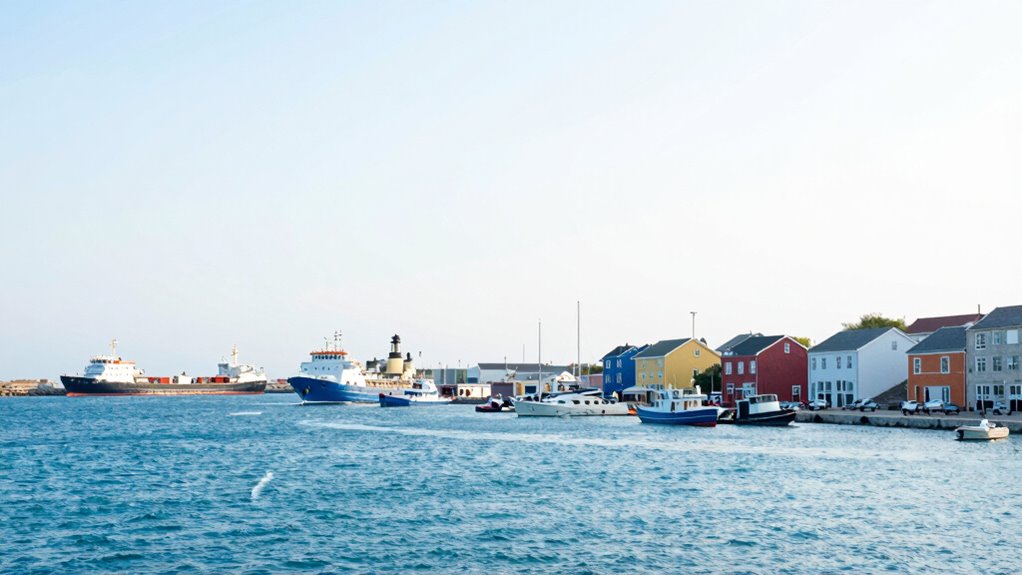
Have you ever taken a perfect shot only to realize later that your photo looks blurry or foggy? It’s frustrating, especially when you’re aiming for that stunning scenic shot. Often, the culprit isn’t just camera shake but something more subtle: lens distortion and aperture effects. These issues can make your landscape photos look flat or uninteresting, stealing the depth and vibrancy you intended to capture.
Lens distortion is a common problem, especially with wide-angle lenses. When you shoot broad scenes, the edges of your photo can bend or warp, creating a distorted appearance. Instead of the natural perspective you want, your scene can look skewed, making the landscape seem unnatural. This distortion can flatten the scene, reducing the sense of depth and making distant objects appear closer or more compressed than they really are. Recognizing this helps you avoid overusing wide lenses for scenic shots or compensating with post-processing. Paying attention to lens quality can also help mitigate these effects. Additionally, understanding distortion correction options available in many modern lenses or editing software can further help maintain natural proportions. Furthermore, choosing lenses specifically designed for landscape photography can greatly reduce these distortions.
Aperture effects also play a significant role in how your landscape photos turn out. When you shoot with a wide aperture—say, f/2.8 or lower—you create a shallow depth of field. This effect blurs the background and foreground, which can be beautiful in portraits but problematic for landscapes. It reduces the sense of scale and depth, making your scene look flat. Conversely, stopping down to a smaller aperture, like f/8 or f/11, increases your depth of field, keeping more of the scene in sharp focus. This results in a more detailed, three-dimensional appearance, emphasizing the layers of your landscape.
Understanding how lens distortion and aperture effects influence your photos can help you make smarter choices when capturing scenic views. For instance, selecting the right lens and aperture setting ensures you preserve the scene’s natural depth. Using a lens with minimal distortion, like a high-quality prime lens, can help maintain accurate proportions. Additionally, narrowing your aperture helps achieve sharpness across the entire scene, giving your landscape the depth and realism it deserves.
To avoid the flat look that lens distortion and improper aperture choices can cause, take a moment to review your settings and consider your lens type before shooting. Use smaller apertures for landscapes to increase depth and opt for distortion-free lenses when possible. Being mindful of camera settings and how they affect your image quality can make a significant difference in your final results. By being mindful of these factors, you’ll turn your scenic shots into vivid, three-dimensional images that truly reflect the beauty of the scene.
As an affiliate, we earn on qualifying purchases.
Frequently Asked Questions
Can Lens Filters Help Prevent Flat-Looking Scenic Photos?
Yes, lens filters can help prevent flat-looking scenic photos. They add filter effects that enhance contrast and color saturation, giving your images more depth. Optical coatings on filters reduce reflections and glare, ensuring clearer, more vibrant shots. By using the right filter, you can emphasize foregrounds or distant elements, creating a sense of dimension and making your scenic ports appear more lively and three-dimensional, avoiding that flat look.
What Camera Settings Improve Depth in Landscape Photography?
Think of your landscape as a vibrant painting waiting to come alive. To enhance depth, you should adjust your camera settings by increasing color saturation and maintaining proper exposure balance. Use a small aperture, like f/11 or f/16, to keep more of the scene in focus. This combination adds richness and dimension, making distant mountains pop and foreground details stand out, creating a layered, immersive scene that draws viewers in.
How Does Lens Quality Affect the Perception of Depth?
Lens quality considerably impacts your perception of depth in landscape photos through optical clarity. High-quality lenses offer sharper images with better contrast, enhancing depth perception by making distant objects stand out clearly. Lower-quality lenses may introduce distortions or reduce sharpness, making scenes appear flatter and less three-dimensional. By choosing a good lens, you guarantee your images accurately convey the depth and richness of the scenery, drawing viewers into your landscape.
Are Certain Lenses Better for Capturing Three-Dimensional Scenery?
Certain lenses are better for capturing three-dimensional scenery because they offer varied focal lengths and aperture settings. Wide-angle lenses with shorter focal lengths create a sense of depth, making landscapes pop. Using narrower apertures increases sharpness across the scene, enhancing the 3D effect. Don’t worry if your lens isn’t specialized—experimenting with focal length and aperture allows you to emphasize depth, making your scenic ports truly come alive.
Does Post-Processing Fix Flat-Looking Landscape Images Effectively?
Post-processing can effectively fix flat-looking landscape images if you focus on color correction and contrast enhancement. You can add depth by adjusting shadows and highlights, making the scene pop. Boosting contrast brings out textures and layers, while precise color correction restores vibrancy. However, don’t overdo it—subtle adjustments keep the image natural and engaging. With skillful editing, you turn a flat shot into a compelling, three-dimensional landscape.
Conclusion
So, next time you’re capturing a scenic port, remember: the right lens choice can transform flatness into depth, turning a simple shot into a story. Don’t let your photos be a mirror of what’s in front—let them be a window that pulls viewers in. Think of your lens as a magic wand, capable of revealing the soul of a scene. Choose wisely, and watch your images breathe with life and dimension.
Fall Picks
fall essentials
As an affiliate, we earn on qualifying purchases.