


Many travelers leave creating a mobility checklist until the last minute, risking overlooked accommodations or forgotten essential aids. To avoid stress, start planning early by listing all your mobility needs, medications, and assistive devices. Confirm accommodations with the cruise line well before departure. Organizing your documents and packing extra supplies also save time and prevent issues onboard. If you want to guarantee a smooth, worry-free journey, paying attention to these early preparations will truly pay off.
Key Takeaways
- Waiting until the last minute to confirm disability accommodations can cause delays during boarding.
- Failing to create and share a detailed mobility-related checklist may lead to missing essential aids or medications.
- Not packing extra copies of important documents early can complicate medical or boarding procedures.
- Delaying organization of luggage and accessibility items results in inefficient cabin use and onboard frustration.
- Ignoring early planning for mobility needs increases stress and reduces enjoyment of the cruise experience.
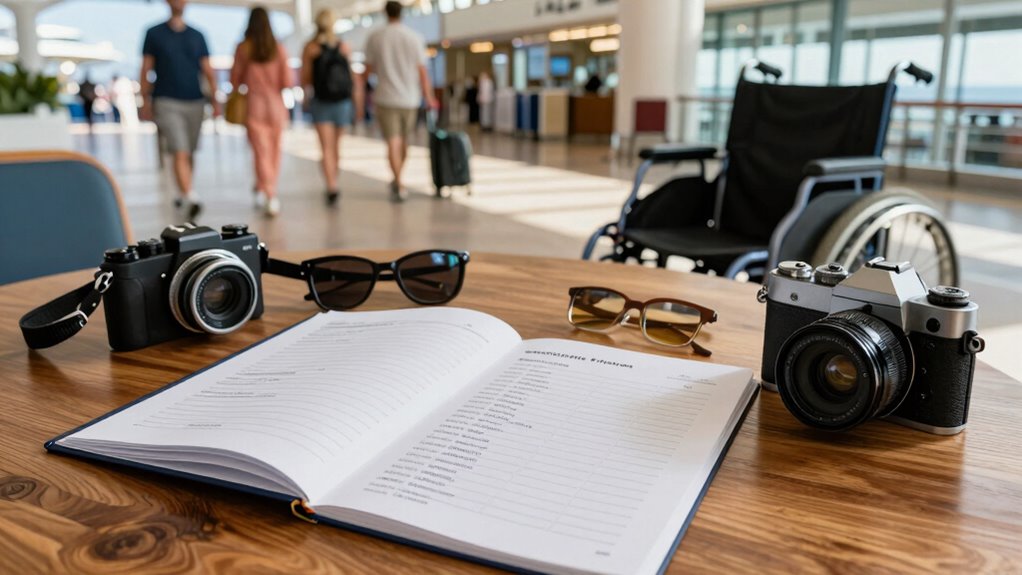
Planning a cruise can be exciting, but guaranteeing you have everything you need for smooth mobility is essential for a stress-free experience. Many travelers overlook the importance of disability accommodations and luggage organization until it’s too late, leading to unnecessary complications once onboard. To avoid this, start early by researching the cruise line’s policies on disability accommodations. Confirm what services are available, such as wheelchair-accessible cabins, ramps, or assistance with boarding. Contact the cruise line well in advance to request any specific accommodations you might need. This proactive step guarantees that your needs are met and prevents last-minute surprises that could cause frustration or delays.
Research cruise line disability policies early to ensure smooth, stress-free mobility accommodations.
Luggage organization is another critical aspect that often gets overlooked until packing day. Properly organizing your luggage ensures that essential items, including mobility aids or medical supplies, are easily accessible during the trip. Use clear, labeled containers or packing cubes to separate items like medications, chargers, or mobility accessories. When packing, think through how you’ll access these items on the ship and in the port. Placing daily necessities in carry-on bags or in easily reachable compartments can save you time and reduce stress. Remember, many cruise cabins have limited storage, so efficient luggage organization makes steering your space much simpler and keeps your belongings secure.
In addition to planning for disability accommodations and luggage organization, it’s wise to create a detailed checklist of all the mobility-related items you’ll need. Include essentials like mobility aids, medications, and any assistive devices, as well as backup supplies in case of delays or emergencies. Having a comprehensive list helps guarantee nothing gets left behind or forgotten. Share this list with your travel companions and the cruise line if necessary, so everyone is aware of your specific requirements. Doing this well in advance minimizes last-minute scrambling and helps you focus on enjoying your trip.
Lastly, consider packing extra copies of important documents, such as medical prescriptions, insurance cards, and any paperwork related to your disability accommodations. Keep these in your carry-on or accessible luggage. This way, if you encounter any issues during boarding or while onshore, you’ll have quick access to crucial information. The more you prepare ahead of time by focusing on disability accommodations and luggage organization, the smoother your cruise experience will be. It might seem like small details, but addressing them early makes all the difference in creating a relaxing, enjoyable voyage.
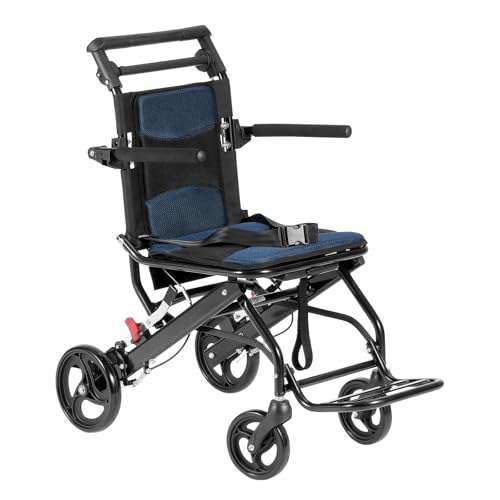
VEVOR Wheelchair, Aluminum Alloy Ultra-Lightweight Transport Chair for Adults, Foldable Cabin Wheelchair with Flip-Back Desk-Length Arms, Self-Locking Brake, 15.75-Inch Wide Seat, 220lbs Load
18.6lbs Super Lightweight: Weighing only 18.6lbs, this cabin wheelchair offers effortless and comfortable travel. Featuring a one-touch folding…
As an affiliate, we earn on qualifying purchases.
As an affiliate, we earn on qualifying purchases.
Frequently Asked Questions
When Should I Start Planning My Cruise Mobility Arrangements?
You should start planning your cruise mobility arrangements as early as possible, ideally 3-6 months in advance. This gives you ample time to arrange travel insurance, ensuring coverage for any unexpected issues. Don’t forget packing tips, like bringing mobility aids and essential medications. Early planning helps you secure necessary accommodations and makes packing easier, reducing stress and ensuring a smooth, enjoyable cruise experience.
How Can I Find Accessible Cabin Options on a Cruise?
To find accessible cabin options, start by researching cruise lines known for their inclusivity. Contact the cruise line directly to inquire about accessible cabins and request specific accommodations. Look for room modification tips like choosing cabins near elevators or with wider doorways. Always mention your mobility needs early to ensure the best arrangements. Planning ahead guarantees a comfortable, enjoyable voyage with the perfect accessible cabin tailored to you.
What Mobility Aids Are Permitted on Cruise Ships?
You can usually bring mobility aids like wheelchairs, walkers, and scooters on cruise ships. Make certain your devices are approved and fit within the ship’s size limits. It’s wise to check your disability insurance and travel insurance policies, as they may cover repairs or replacements. Contact the cruise line ahead of time to confirm specific guidelines and ensure your mobility aids are accommodated, making your trip smoother and more enjoyable.
Are There Special Services for Passengers With Mobility Challenges?
Imagine cruising with a personal fleet of assistive technology—sounds dreamy, right? Luckily, cruise lines often offer special services for passengers with mobility challenges, including accessible excursions and tailored assistance. You get priority boarding, wheelchair rentals, and personalized help throughout your voyage. So, no need to navigate the ship like a lost tourist; instead, enjoy seamless, accessible adventures that make your cruise truly stress-free.
How Do I Coordinate Mobility Assistance With Cruise Staff?
You should contact the cruise line’s disability accommodations department well before departure to coordinate mobility assistance. Clearly specify your needs for wheelchair accessibility and any other mobility challenges. Confirm with staff about accessible cabins, elevators, and priority boarding. When onboard, remind staff of your requirements and ask for assistance if needed. This proactive approach guarantees smooth mobility assistance and a comfortable cruise experience tailored to your needs.
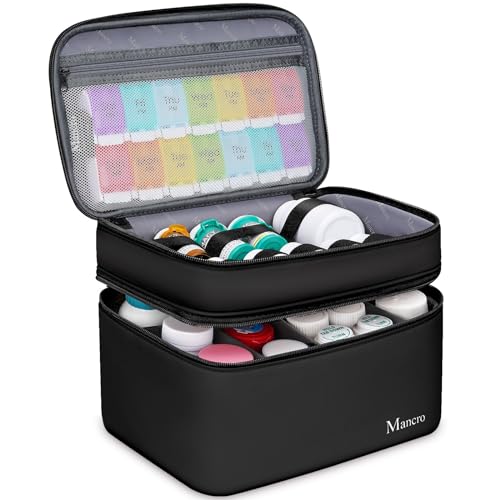
Mancro Dual Layers Medicine Organizer Bag, Pill Bottle Organizer Storage with Lockable Zipper, Medication Travel Bag for Pills, Vitamins, Medical Supplies for Home Storage, Black
Portable Medication Organizer: Mancro medicine organizer bag offers ample space to classify and organize personal pill bottles, medicines,…
As an affiliate, we earn on qualifying purchases.
As an affiliate, we earn on qualifying purchases.
Conclusion
Don’t wait until the last minute to prepare for your cruise. By following this checklist early, you’ll avoid stress and guarantee a smooth voyage. Some say “it’s just packing,” but in reality, being prepared can make or break your trip. Think of it this way: taking action now isn’t just smart—it’s the key to creating unforgettable memories. Trust me, the true comfort of a cruise starts with proactive planning.
cruise luggage packing cubes
As an affiliate, we earn on qualifying purchases.
As an affiliate, we earn on qualifying purchases.

ZHEEYI Automotive Standing Aid Safety Grab Handle Adjustable Vehicle Support Strap Portable Nylon Car Assist Device Grip Handle for Elderly, Disability
ZHEEYI automotive grab handle provides users with stability and balance when standing or sitting from the car. Ergonomic…
As an affiliate, we earn on qualifying purchases.
As an affiliate, we earn on qualifying purchases.