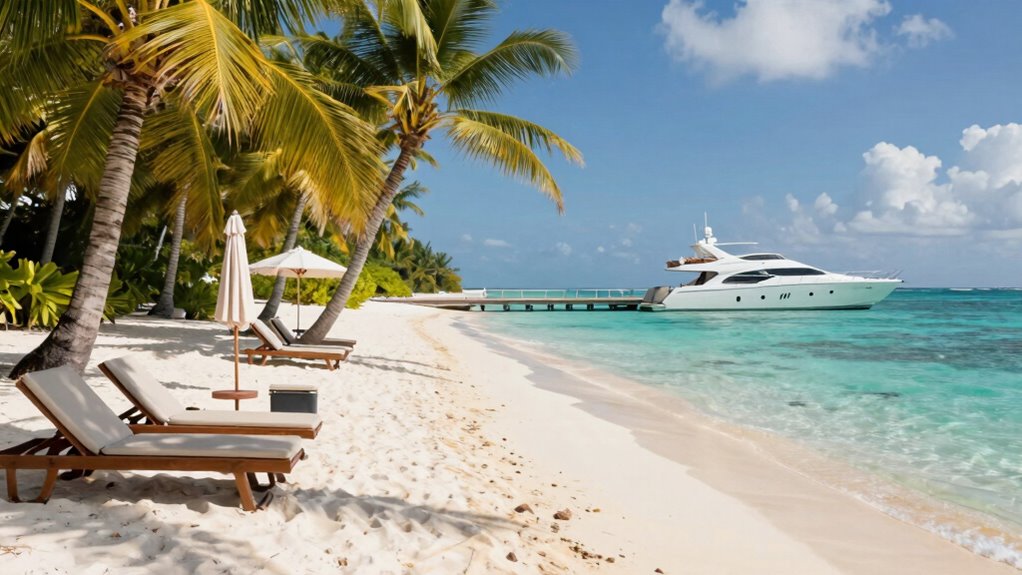

When visiting a private island, you can typically bring personal belongings, clothing, and essentials ashore. However, restrictions often apply to invasive plants, non-native animals, or materials that could introduce pests or harm the environment. Non-biodegradable products and harmful chemicals are discouraged to prevent ecological damage. Security and customs rules may require you to declare certain items, so understanding these guidelines helps protect the island’s natural beauty and ensures an eco-friendly stay. If you keep exploring, you’ll discover more about what’s permitted and what’s not.
Key Takeaways
- Personal belongings and essentials are generally allowed; invasive species and non-native animals are restricted.
- Items that could introduce pests or harmful chemicals are typically prohibited from being brought ashore.
- Eco-friendly practices, like avoiding non-biodegradable products, help protect the island’s environment.
- Declare valuable or potentially harmful items with island authorities to ensure compliance with regulations.
- Respect environmental guidelines to preserve the island’s natural beauty and prevent ecosystem disruption.
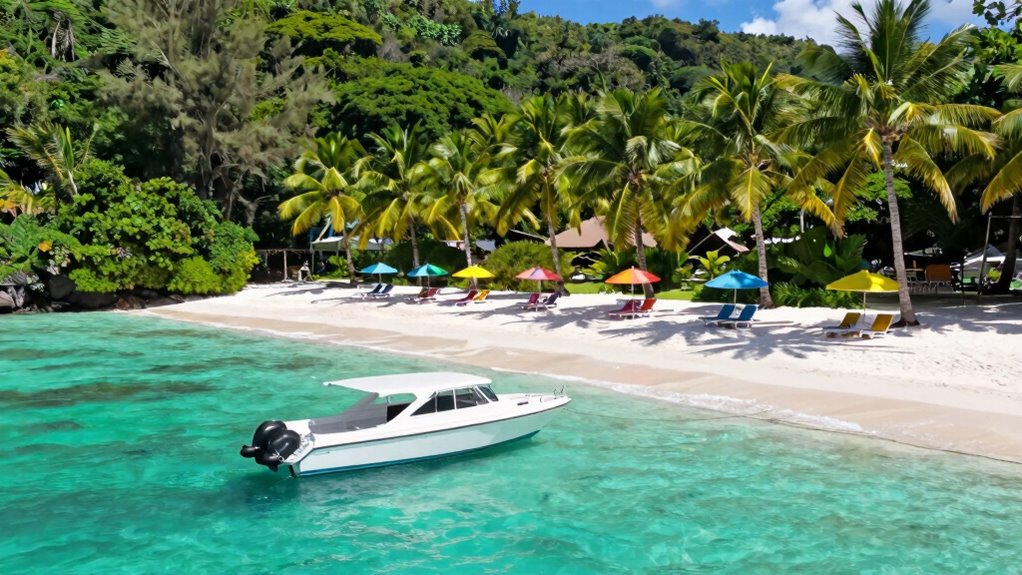
Private islands offer an exclusive escape from the hustle and bustle of everyday life, giving you the chance to own your personal slice of paradise. When you step onto your island, you expect more than just stunning views; you want luxury amenities that make your stay truly exceptional. From private pools and spas to gourmet kitchens and designer furnishings, these features elevate your experience, transforming the island into a luxurious retreat. However, with this level of comfort comes responsibility. You need to consider the environmental impact of your stay—how your presence and activities affect the delicate ecosystem surrounding your island. Sustainable practices, such as solar power, rainwater collection, and eco-friendly waste management, are vital to preserve the natural beauty you came to enjoy. Many private island owners and operators now prioritize minimizing their ecological footprint, recognizing that luxury and environmental consciousness can go hand in hand.
When it comes to bringing items ashore, you must be mindful of restrictions designed to protect the island’s environment. Typically, you’re allowed to bring personal belongings, clothing, and essentials, but certain items are restricted or prohibited. For instance, invasive plant species, non-native animals, or anything that could introduce pests are usually not permitted. This helps prevent disrupting the island’s native flora and fauna. You’ll also want to be cautious about carrying in non-biodegradable products or substances that could harm the environment, such as certain chemicals or plastics. The goal is to enjoy your island while ensuring its natural state remains intact for future visitors and residents. Additionally, understanding the impact of human activity on delicate ecosystems can help you make more environmentally conscious choices during your visit.
Security protocols and customs regulations often govern what you can and cannot bring ashore. You might need to declare certain items, especially if they are considered potentially harmful or valuable. It’s wise to check with your island’s management or local authorities beforehand, so you’re fully aware of restrictions and don’t accidentally introduce anything that could damage the ecosystem or violate regulations.
eco-friendly travel toiletries
As an affiliate, we earn on qualifying purchases.
As an affiliate, we earn on qualifying purchases.
Frequently Asked Questions
Can I Bring Pets to a Private Island?
You can bring pets to a private island, but you should check the specific pet policies beforehand. Many islands have wildlife restrictions to protect local ecosystems, so certain animals might be prohibited. Make sure your pet is vaccinated and comfortable with the environment. Always follow the island’s rules to avoid issues, and respect wildlife restrictions to preserve the island’s natural beauty and safety for all visitors.
Are There Restrictions on Alcohol or Food Imports?
Like Pandora’s box, importing alcohol or food involves risks, so you must check import restrictions beforehand. You’ll need to go through customs procedures, declare your items, and comply with island regulations. Many private islands have limits on alcohol and food imports to protect their environment and local economy. Always verify the specific rules of your destination to avoid confiscation or fines, ensuring your stay remains smooth and enjoyable.
Can I Build My Own Structures or Accommodations?
You can build your own structures or accommodations, but you must obtain the necessary building permits and adhere to island regulations. Check with local authorities or island management to make certain your plans meet all legal requirements. It is crucial to follow these guidelines to avoid fines or having structures removed. Always verify specific rules before starting construction, as regulations vary depending on the island’s jurisdiction and environmental considerations.
What Safety Measures Are in Place for Visitors?
Imagine the thrill of exploring, yet knowing safety remains a priority. You’re protected by strict safety protocols and clear emergency procedures that guarantee your well-being. Trained staff patrol the island, and safety gear is readily available. In emergencies, quick responses and well-planned evacuation routes keep you safe. These measures create a secure environment, so you can enjoy your adventure confidently, knowing your safety is always the top concern.
Do Private Islands Have Medical Facilities Onsite?
Yes, private islands often have basic medical facilities onsite. You’ll find medical supplies like bandages and first aid kits available for minor injuries. Staff are trained in emergency procedures to handle urgent situations quickly. However, for serious medical issues, you may need to be evacuated to the mainland or a nearby hospital. It’s always wise to check the island’s medical capabilities before your visit.
private island travel essentials
As an affiliate, we earn on qualifying purchases.
As an affiliate, we earn on qualifying purchases.
Conclusion
As you step onto a private island, the pristine sands and untouched waters welcome you, offering freedom and serenity. Yet, beneath that idyllic surface lies the rulebook—what you can and can’t bring ashore. It’s a delicate balance between the freedom of paradise and the responsibility to preserve it. Just like the gentle waves that kiss the shore, your choices shape this haven—ensuring it remains a sanctuary for generations to come.
biodegradable sunscreen
As an affiliate, we earn on qualifying purchases.
As an affiliate, we earn on qualifying purchases.
pest-free travel gear
As an affiliate, we earn on qualifying purchases.
As an affiliate, we earn on qualifying purchases.