
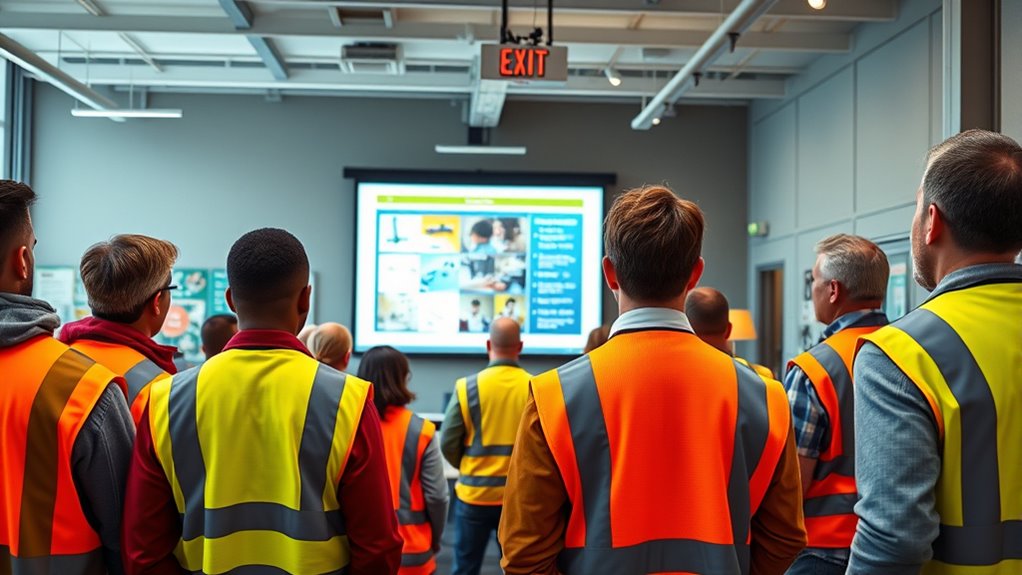

E-Muster and safety drills are designed to prepare you for emergencies, ensuring you know the proper actions to take quickly and safely. During drills, you follow clear instructions to evacuate from your location, head to designated assembly points, and stay calm. Communication systems provide real-time updates and guidance to help you navigate hazards efficiently. Staying engaged and cooperative helps improve safety procedures, so keep exploring how these exercises can better protect you and others in real situations.
Key Takeaways
- E-Muster and safety drills are designed to simulate real emergencies, ensuring staff are familiar with evacuation procedures.
- Clear instructions guide personnel to designated assembly points, avoiding hazards and congestion during alarms.
- Emergency communication systems provide real-time updates, ensuring everyone stays informed and calm throughout drills.
- Filtration systems are tested to maintain indoor air quality, while communication includes safety measures and route guidance.
- Participation and feedback help improve response strategies, making evacuations more efficient and safe during actual emergencies.
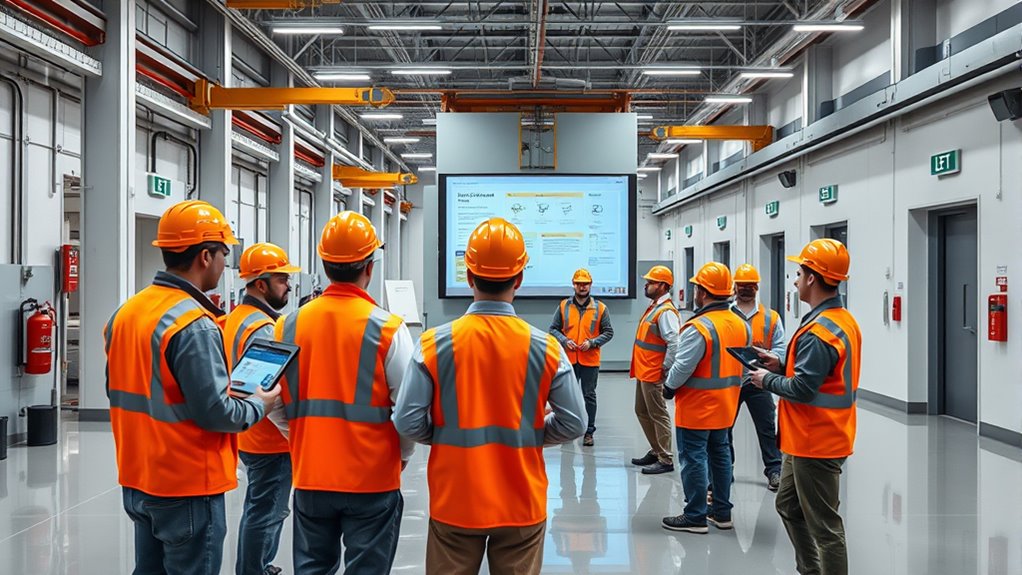
Have you ever wondered what happens during an E-Muster and safety drill? These exercises are designed to prepare you for real emergencies, guaranteeing everyone knows what to do and how to stay safe. When an alarm sounds, your first step is to follow the evacuation procedures precisely. These procedures are clear, step-by-step instructions that guide you on how to leave your current location quickly and safely. You’ll be directed to designated assembly points, which are predetermined safe areas away from potential hazards. It’s imperative to stay calm and move promptly, avoiding shortcuts or delays that could cause congestion or confusion. The goal is to evacuate efficiently, so crew members and safety personnel often assist and direct you, making certain no one gets left behind or injured.
Emergency communication plays a pivotal role during these drills. As soon as the alarm sounds, information is relayed through various channels such as loudspeakers, digital displays, or emergency apps. These communications provide updates, instructions, and reassurance, helping everyone understand the situation and what steps to follow. During an E-Muster, communication isn’t just about giving orders; it’s also about keeping you informed and calm. You might hear instructions on how to navigate to the assembly point or updates about any specific hazards or procedures. This constant flow of information ensures that panic is minimized and that everyone remains coordinated.
Another important aspect is the role of filtration systems, which are tested during drills to ensure they effectively capture allergens and particles, maintaining indoor air quality. You’re encouraged to pay close attention to these communications, whether they’re verbal, visual, or digital. They include indispensable details, such as whether you should assist others, if there are specific routes to avoid, or if additional safety measures are needed. The effectiveness of an emergency communication system depends on your attentiveness and cooperation. When you follow the instructions precisely, it helps everyone evacuate faster and more safely. The drills also allow safety teams to test and improve communication strategies, making certain they’re reliable when it truly counts.
Participating in these safety drills isn’t just about following rules; it’s about actively engaging in your safety and that of others around you. When you understand the importance of executing evacuation procedures swiftly and paying attention to emergency communication, you contribute to a safer environment for everyone. These exercises highlight areas for improvement, so your feedback after a drill can help refine future procedures. Ultimately, knowing what to do during an E-Muster and safety drill can make a significant difference in an actual emergency, turning a potentially chaotic situation into a managed, safe evacuation.

Safety and Trauma Supplies Hi-Viz All-in-One DOT OSHA Compliant Kit with Kidde 5 BC Fire Extinguisher Model FA5G
*Bag Color May Vary
As an affiliate, we earn on qualifying purchases.
As an affiliate, we earn on qualifying purchases.
Frequently Asked Questions
How Often Should Safety Drills Be Conducted?
You should conduct safety drills, including evacuation procedures and emergency communication tests, at least twice a year. Regular drills help you and your team stay prepared for emergencies, ensuring everyone knows their roles during evacuations. Frequent practice improves response times and confidence, minimizing confusion during real incidents. Keep everyone informed and engaged, and review procedures regularly to adapt to any changes, fostering a safer workplace environment.
Who Is Responsible for Updating the E‑Muster System?
Think of the e-muster system as a living document that needs constant tending. You’re responsible for ensuring it stays current by regularly updating e-muster updates and safety protocols. This task usually falls to safety officers or designated personnel in your organization. They review and revise the system to reflect new safety measures, ensuring everyone stays informed and prepared during emergencies. Your role is to support and follow these updates diligently.
What Are Common Challenges During Safety Drills?
During safety drills, you often face challenges like ensuring everyone understands evacuation procedures quickly and effectively. Emergency communication can sometimes be unclear or delayed, causing confusion. You might also encounter issues with participants not taking the drill seriously or delays in response times. To overcome these, practice clear instructions, reinforce the importance of evacuation procedures, and test emergency communication systems regularly, so everyone stays prepared and informed during real emergencies.
How Is Employee Participation Tracked in Drills?
You might worry about tracking participation accurately, but digital recordkeeping and real-time monitoring make it easy. During drills, you can instantly verify who has responded, ensuring everyone’s accounted for. These systems automatically log each employee’s participation, reducing errors and providing instant reports. This way, you stay confident that all team members are engaged and safety protocols are being followed without the hassle of manual tracking.
What Improvements Have Been Made Recently to Safety Procedures?
Recently, safety procedures have improved through technology integration and training enhancements. You now benefit from real-time communication tools that streamline emergency alerts, ensuring faster responses. Training sessions are more interactive and frequent, helping you better understand evacuation protocols. These updates make safety drills more effective, keeping you prepared and confident during emergencies. Embracing these improvements means you’re safer and more informed, with technology and training working together to protect everyone.

Zonon 10 Sets Fire Alarm Locks Circuit Breaker Lockout Kit with Label Stickers FA Emergency Communications, 8-32 Hex Key for Fire Safety, Red
Ample Quantity:10 sets of red lockout kits, which include 10 tabs, 10 attach screws, 10 label stickers, and…
As an affiliate, we earn on qualifying purchases.
As an affiliate, we earn on qualifying purchases.
Conclusion
Now that you know how e-muster and safety drills work, you’re better prepared to act quickly and confidently in emergencies. Remember, safety is a team effort, and practice makes perfect. As the saying goes, “A stitch in time saves nine.” Stay alert, participate actively, and keep safety at the forefront. Being prepared today helps protect you and everyone around you tomorrow.
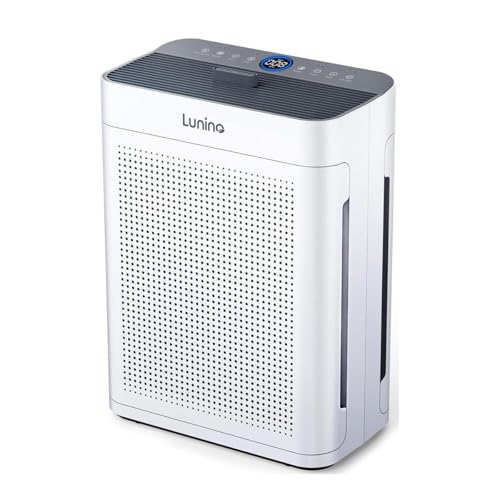
Air Purifiers for Home Large Room up to 3000sq.ft, LUNINO HEPA Double-Sided Air Purifier with Washable Filter, PM 2.5 Display Air Quality Sensors, Air Cleaner for Pets Hair, Odor, Dust, Smoke, Pollen
【𝐃𝐨𝐮𝐛𝐥𝐞-𝐬𝐢𝐝𝐞𝐝 𝐀𝐢𝐫 𝐈𝐧𝐭𝐚𝐤𝐞 𝐃𝐞𝐬𝐢𝐠𝐧】LUNINO air purifiers for home feature a double-sided air intake design that cleans air from…
As an affiliate, we earn on qualifying purchases.
As an affiliate, we earn on qualifying purchases.

YIKIADA Emergency Assembly Point Sign with Pre-Drilled Holes 18 × 12 Inches Reflective Aluminum Waterproof Signage for Warehouse School Hospital
PERFECT SIZE: The safety sign measures 18 x 12 inches, a size carefully chosen to ensure that the…
As an affiliate, we earn on qualifying purchases.
As an affiliate, we earn on qualifying purchases.