TL;DR

Get travel and outdoor gear delivered free with Prime
- Fast, free delivery on millions of items
- Prime Video, Amazon Music and more included
- Member-only deals all year
Authorities are evacuating a cruise ship in Tenerife after confirmed hantavirus cases. The operation is ongoing, and the situation is being managed by local health and safety officials. Further details are emerging.
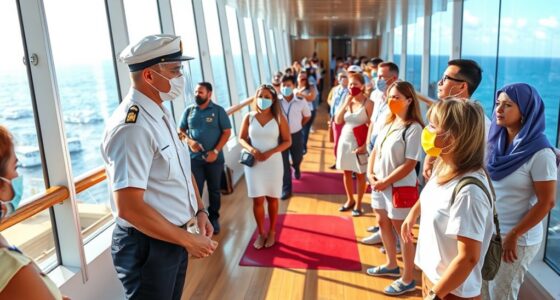
Authorities in Tenerife have begun evacuating a cruise ship after confirmed cases of hantavirus were identified onboard, prompting urgent health and safety measures.
The cruise ship, which was docked in Tenerife, was reported to have confirmed hantavirus cases among its passengers or crew, according to local health officials. The evacuation process started earlier today, with emergency services and health authorities coordinating to transfer individuals to medical facilities for assessment and treatment. The ship’s operators have not disclosed the total number of infected individuals but confirmed that the evacuation is proceeding as a precautionary measure. The operation involves multiple emergency response teams on the ground, with additional support from health agencies to contain any potential spread.
Officials have stated that the virus is a rodent-borne pathogen that can cause severe illness in humans, and they are taking all necessary steps to ensure public safety. The ship’s itinerary and the cause of the hantavirus exposure are still under investigation. No fatalities have been reported so far, and the health authorities are monitoring the situation closely.
Why It Matters
This incident is significant because it highlights the risks associated with infectious diseases on cruise ships, which are often in close quarters and can pose public health challenges. The response in Tenerife demonstrates the importance of swift action in containing outbreaks and protecting passengers, crew, and the wider community. It also raises awareness of hantavirus as a potential onboard health threat, prompting further scrutiny of health protocols in maritime travel.
As an affiliate, we earn on qualifying purchases.
Background
Hantavirus outbreaks are relatively rare but can be severe, with transmission typically linked to contact with rodent droppings or urine. The virus has been previously associated with outbreaks in various settings, including travel scenarios. This incident follows a series of health scares on cruise ships over the years, though hantavirus cases are uncommon. The Tenerife incident is the latest in a series of public health responses to infectious disease threats in maritime environments, emphasizing the need for rigorous onboard health measures.
“We are taking all necessary precautions to ensure the safety of passengers and crew. The evacuation is proceeding smoothly, and medical teams are on-site to provide assistance.”
— Tenerife health official
“Passenger safety is our top priority. We are cooperating fully with local authorities and will provide updates as more information becomes available.”
— Cruise line spokesperson
What Remains Unclear
It remains unclear how many individuals are affected, the full extent of the outbreak, and the specific source of the hantavirus exposure. Investigations are ongoing, and authorities have not yet disclosed detailed findings or potential causes.
What’s Next
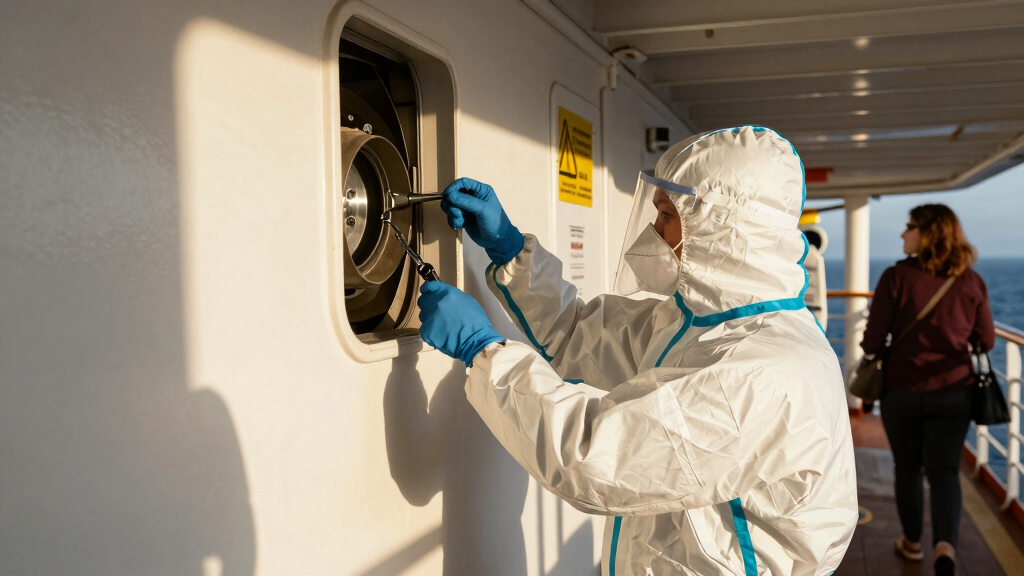
Health and safety officials plan to continue monitoring the situation, with further updates expected as investigations progress. The ship is expected to undergo thorough disinfection and health assessments before potentially resuming operations or being cleared for departure.
Key Questions
How many people are infected on the ship?
The exact number of infected individuals has not been disclosed; authorities are still assessing the situation.
What is hantavirus, and how is it transmitted?
Hantavirus is a rodent-borne virus that can cause severe respiratory and other illnesses. Transmission typically occurs through contact with infected rodent droppings, urine, or saliva.
Is the virus contagious between humans?
Hantavirus generally is not spread from person to person, but precautions are still being taken to prevent further exposure.
Will the ship be allowed to sail again?
It is not yet clear whether the ship will resume operations; health authorities are conducting assessments before making that decision.
What measures are being taken to prevent future outbreaks?
Authorities are reviewing onboard health protocols, including pest control and sanitation measures, to prevent similar incidents.
Halloween Picks
halloween
As an affiliate, we earn on qualifying purchases.