

TL;DR

Get travel and outdoor gear delivered free with Prime
- Fast, free delivery on millions of items
- Prime Video, Amazon Music and more included
- Member-only deals all year
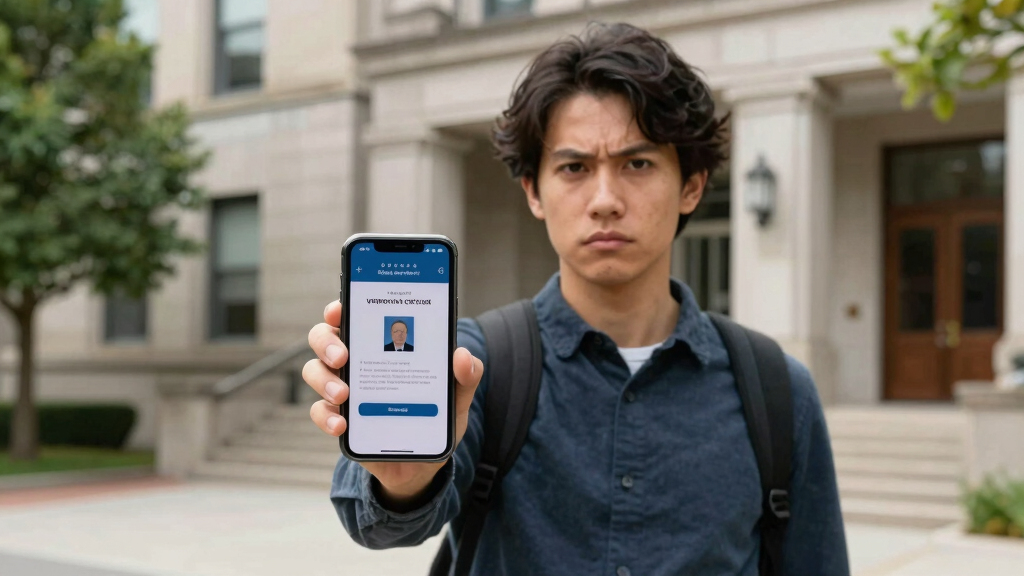
A federal judge has issued a ruling preventing Trump from implementing a requirement that voters show proof of citizenship. This decision impacts voting procedures and election integrity debates. The ruling is legally binding for now, but further legal challenges may follow.
A federal judge has issued an order preventing former President Donald Trump from implementing a requirement that voters submit proof of citizenship to vote in elections. This ruling directly impacts ongoing legal efforts by Trump and his allies to tighten voting eligibility verification, marking a significant development in election law disputes.
The ruling was made by U.S. District Judge Tanya S. Chutkan, who concluded that Trump’s proposed proof of citizenship requirement violates federal voting rights laws and the Constitution. The court’s decision halts any enforcement of the rule while legal challenges proceed. Trump and his allies had sought to reinstate or enforce a measure that would require voters to provide documentation such as birth certificates or passports to register or vote, claiming it would prevent voter fraud.
Legal experts note that the judge’s order is a preliminary injunction, meaning it temporarily blocks the implementation of the requirement pending further legal proceedings. The decision is based on the argument that the requirement would disproportionately disenfranchise eligible voters, particularly minorities and low-income populations, and conflicts with existing federal protections.
Legal Impact on Voter Identification Laws
This ruling is significant because it reinforces existing federal protections that prevent overly restrictive voter ID laws from disenfranchising eligible voters. It also signals judicial resistance to measures perceived as barriers to voting, especially those promoted by political figures seeking to tighten election controls. The decision could influence future legal battles over voter ID and proof of citizenship requirements across multiple states, shaping the landscape of voting rights and election integrity debates.
As an affiliate, we earn on qualifying purchases.
Legal Challenges to Voter Proof of Citizenship Requirements
The dispute over voter proof of citizenship has been ongoing since Trump’s administration attempted to implement stricter voter ID laws. Trump’s campaign and allies argued that such measures are necessary to combat voter fraud, which they claim is widespread. However, courts have repeatedly found that these requirements can suppress voter turnout among eligible populations, especially minorities and low-income voters. The current case stems from a broader legal effort by Trump and supporters to enforce stricter voting verification measures, which faced multiple legal hurdles before this ruling.
“The proposed proof of citizenship requirement violates federal voting rights laws and the Constitution, and cannot be enforced while legal challenges are ongoing.”
— Judge Tanya S. Chutkan
Legal Outcomes and Potential Challenges
It is not yet clear whether Trump or his supporters will appeal the ruling or attempt to implement alternative measures. The legal process is ongoing, and further court decisions or legislative actions could alter the current status. The scope of the ruling’s impact on other states’ voting laws remains to be seen, and additional legal challenges are possible.
Next Steps in Legal Proceedings and Enforcement
The case will likely proceed to further court hearings, with the possibility of appeals by Trump’s legal team. Meanwhile, election officials in affected states will continue to operate under existing federal protections, and any efforts to enforce the proof of citizenship requirement will be on hold. The ruling may also influence legislative debates over voter ID laws at the state level, and advocacy groups on both sides are expected to respond with legal and political actions.
Key Questions
Can Trump still attempt to enforce the proof of citizenship requirement?
While the federal judge’s ruling temporarily blocks enforcement, Trump or his supporters may pursue appeals or other legal avenues, which could change the legal landscape.
Does this ruling affect all states?
The ruling directly applies to federal elections and the specific case it addresses. Its influence on state-level laws varies and depends on ongoing legal and legislative actions.
What are the main reasons the court blocked the requirement?
The court found that the proof of citizenship requirement violates federal voting rights laws and would disproportionately disenfranchise eligible voters, especially minorities and low-income populations.
Could this ruling be overturned?
Yes, through appeals or subsequent court decisions, the ruling could be challenged or overturned, which is common in complex legal disputes.
What does this mean for voters in upcoming elections?
Voters will continue to register and vote under existing federal protections, and the disputed proof of citizenship requirement will remain blocked for now.
Source: google-trends
Fall Picks
fall essentials
As an affiliate, we earn on qualifying purchases.