
TL;DR

Get travel and outdoor gear delivered free with Prime
- Fast, free delivery on millions of items
- Prime Video, Amazon Music and more included
- Member-only deals all year
A report published by Meduza on October 2, 2026, examines Afghanistan five years after the Taliban seized power. It describes improved security and a major campaign against opium, but also widespread hardship, an ethnically narrow government and severe restrictions on women; the report draws on a researcher’s August 2026 visit and interviews across three cities.
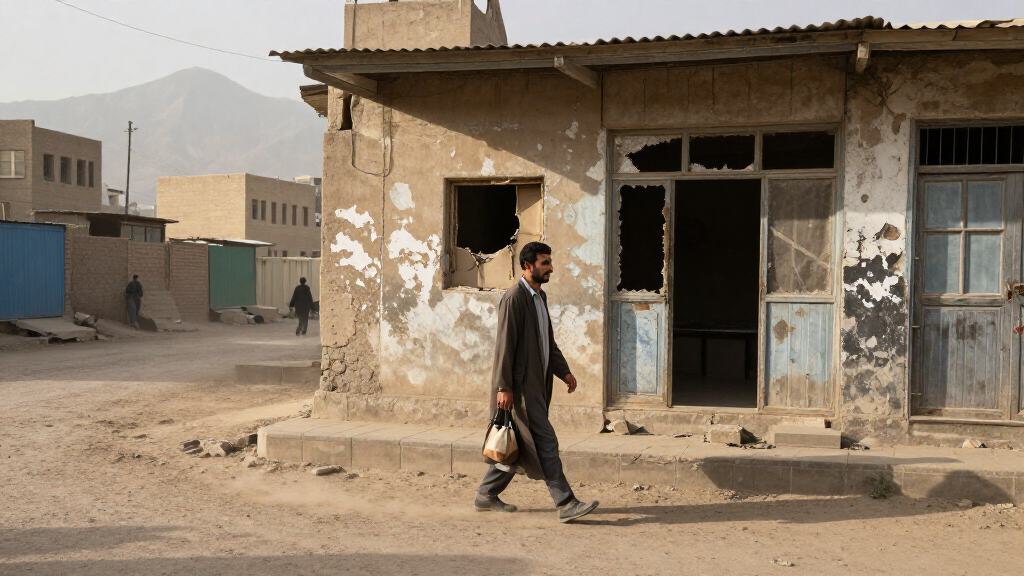
Meduza published a report on October 2 examining Afghanistan five years after the Taliban took power, describing a country where long-distance travel has become relatively safer and the authorities’ campaign against opium appears effective, while poverty, unemployment and the loss of women’s rights remain central features of daily life. The account is based on Middle East scholar Ruslan Suleymanov’s August 2026 visit to three cities and conversations with dozens of people.
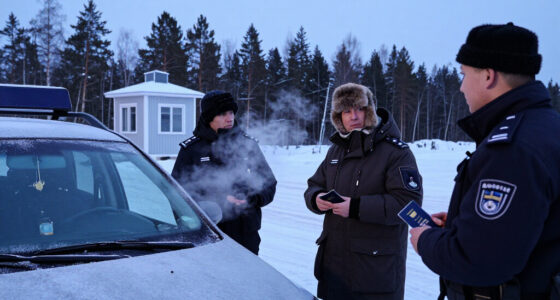
Suleymanov’s report describes a roughly 500-kilometer journey between Herat and Kandahar, marked by poor roads and document checks at frequent checkpoints. He writes that travel inside the country is now relatively safe compared with the decades of fighting, ambushes and kidnappings that preceded the Taliban takeover. He also reports that foreign visitors are better off traveling with a local companion. The improvement does not mean Afghanistan is free of militant threats: the report cites the Islamic State group’s Afghan affiliate, ISIS-K, as an ongoing security concern.
The Taliban authorities have established a Ministry for the Promotion of Virtue and Prevention of Vice and imposed severe limits on women’s rights, according to Meduza. The report also says the authorities tried to block internet access nationwide and ban officials from using smartphones. It describes a declared campaign against drugs, particularly opium, which the report characterizes as apparently successful. It gives no specific production or enforcement figures in the supplied material, so the scale of the reduction cannot be quantified here.
The report portrays a government dominated by Pashtuns and records complaints from members of several minority communities about unequal rights and opportunities. A Ministry of Information and Culture employee, who is Pashtun and asked not to be identified, disputed criticism of the government’s inclusiveness and said Afghans were satisfied with it. Those views contrast with private accounts from members of six minority groups, who told Meduza they lacked equal opportunities. These are interviewees’ assessments, not a measure of public opinion across the country.
Safer Roads, Unequal Lives
The report highlights a difficult trade-off in how Taliban rule is experienced: reduced fighting and safer travel coexist with restrictions on basic freedoms and entrenched economic hardship. Better security can matter immediately to people moving between cities, but it does not by itself resolve unemployment, poverty or the exclusion of women from public life.
The account also shows why claims of broad public support need careful handling. Afghanistan is divided by ethnicity and by the different conditions of rural and urban life. The report’s interviews reveal sharply different perspectives, but they do not establish how widely any one view is held. For readers and policymakers, that distinction matters: a government’s ability to impose order is not the same as evidence of equal representation or popular consent.
long-distance travel safety kit for Afghanistan
As an affiliate, we earn on qualifying purchases.
As an affiliate, we earn on qualifying purchases.
From Takeover to Fifth Year
The Taliban seized power in August 2021, after U.S. troops withdrew. The movement had formed a government the following month. Active fighting has since ended, according to the report, although militant violence and security risks remain. The Taliban’s own role in earlier attacks is also relevant to interpreting the security shift: the report notes that before the takeover, the movement itself carried out many of the country’s major terrorist attacks.
Meduza cites the 2026 Global Terrorism Index, compiled by Australia’s Institute for Economics and Peace, which ranked Afghanistan 11th for terrorism risk. The report says this was the first time the country had fallen outside the index’s top 10 since the ranking began. It also cites U.N. experts’ estimate that ISIS-K still has around 2,000 fighters. Those figures describe separate measures and should not be read as proof that the threat has ended.
Diplomatic recognition is another feature of the current period. Meduza reports that Russia is the only country to have officially recognized the Taliban-formed Afghan government. The report says that recognition has helped make Russian visitors welcome, while its broader account focuses on conditions experienced by Afghans, including the concentration of political power and the limits placed on women.
““Oh, Russia! Welcome!””
— A Taliban commander on the Herat–Kandahar highway, as recounted by Meduza reporter Ruslan Suleymanov
What the Report Cannot Settle
The report is a field account from three cities and dozens of conversations, not a nationwide survey. It cannot establish how representative its interviewees’ views are, how support for the authorities varies by region, or how conditions differ across Afghanistan’s rural communities. The supplied source also gives no detailed economic data to quantify poverty or unemployment, and no production figures to measure the outcome of the opium campaign.
Security remains a concern despite safer travel. The report cites an estimate of around 2,000 ISIS-K fighters and says recruits have included Afghans and people from Central Asia, but it does not provide a complete account of current attacks or the group’s operational reach. The extent and durability of the reported security gains, and how Taliban policies may change, remain unclear.
Conditions to Watch
Meduza’s report does not announce a new policy or give a timetable for changes. The developments to watch are whether the Taliban authorities maintain the restrictions on women and the campaign against opium, and whether the relative improvement in travel security continues as ISIS-K remains active. The report offers a snapshot from August 2026; future data and reporting will be needed to establish whether the conditions it describes are improving, worsening or holding steady.
Further assessments of economic conditions, drug production and access to education and work for women would help clarify the scope of the changes. The report does not say when such information will be available or identify a scheduled policy review.
Key Questions
What did Meduza report about Afghanistan five years after the Taliban takeover?
Meduza described relatively safer travel and an apparently effective opium crackdown, alongside poverty, unemployment, restrictions on women and complaints about unequal opportunities for minorities.
When did the Taliban take power in Afghanistan?
The Taliban seized power in August 2021, after the withdrawal of U.S. troops, and formed a government the following month.
Is Afghanistan now safe from militant violence?
No such conclusion follows from the report. It describes long-distance travel as relatively safe, but also cites an ongoing threat from ISIS-K and a U.N. expert estimate of around 2,000 fighters.
What remains unclear about the opium crackdown?
The report says the campaign appears successful but provides no production figures or specific baseline in the supplied material. The size and durability of any reduction cannot be assessed from those details alone.
Source: rss
Fall Picks
fall essentials
As an affiliate, we earn on qualifying purchases.