
TL;DR

Get travel and outdoor gear delivered free with Prime
- Fast, free delivery on millions of items
- Prime Video, Amazon Music and more included
- Member-only deals all year
Greenpeace environmental experts reported satellite evidence of a petroleum-products slick that grew to about 25 square kilometers after the tanker Rio caught fire off Sochi on October 6. Russian authorities say they have found no large slick or significant amount of pollution ashore, while Krasnodar Krai has declared a heightened alert over a possible spill.
Greenpeace environmental experts say a petroleum-products slick in the Black Sea grew to about 25 square kilometers after the tanker Rio caught fire off Sochi on October 6, a finding that conflicts with Russian officials’ statements that the incident caused no significant pollution. Krasnodar Krai has declared a heightened alert over a possible spill, as reports of affected birds and pollution along the coast add to concern about the attack’s environmental effects.
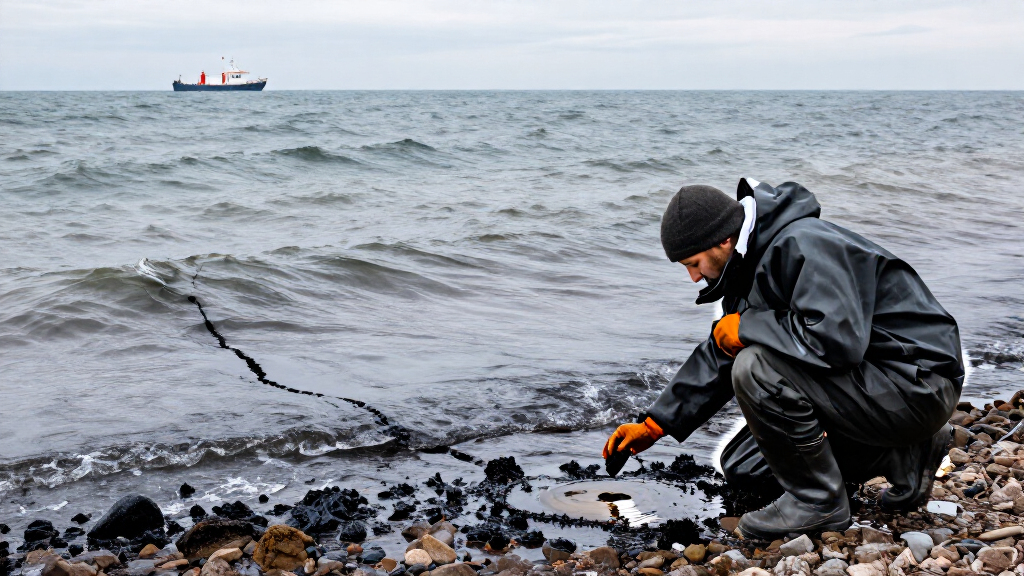
Satellite images examined by Greenpeace showed the tanker near Lazarevskoye, around 50 kilometers from the reported fire site, on October 7. Experts identified a petroleum-products trail covering about 8 square kilometers. Images from the following day showed the vessel had passed Tuapse and the slick had expanded to roughly 25 square kilometers, or 10 square miles, according to Greenpeace.
The Liberian-flagged Rio caught fire on October 6 off Sochi. Russia’s Transport Ministry said uncrewed boats had attacked it. The tanker’s 23 crew members were evacuated. Early accounts differed over whether it was carrying crude oil: one said it was transporting cargo from Novorossiysk to India; another said it was sailing empty from Turkey and was due to load in Novorossiysk on October 22 or 23.
On the evening of October 13, Krasnodar Krai Governor Veniamin Kondratyev signed an order placing the region on heightened alert over a “possible spill of petroleum products.” The order cited vessel accidents caused by naval drone attacks and identified potential emergency risks in Gelendzhik and Novorossiysk. On October 14, the regional emergency response headquarters said small amounts of petroleum products had washed ashore in Novorossiysk and that cleanup was underway. It said the material was not from the damaged tanker.
Coastal Wildlife and Sea at Risk
The competing accounts matter because pollution in the Black Sea could affect coastal communities, marine life and shoreline activity across a stretch of Krasnodar Krai. Greenpeace said even a spill limited to a vessel’s bunker fuel—the fuel used to run its engines and generators—can harm ecosystems. An oil film can kill plankton at the base of the marine food chain, while petroleum products can poison birds and other animals. Heavier material may sink and contaminate the seabed, the group said.
Wildlife reports provide a separate indication of possible effects, though they do not establish the slick’s full extent or source. The Zhemchuzhnaya wildlife rehabilitation center said on October 12 that 10 birds had been found so far with petroleum products on them. Three black-necked grebes had chemical burns, according to the center; birds were found in Arkhipo-Osipovka, Novorossiysk and near Sochi’s Lazarevsky neighborhood.
As an affiliate, we earn on qualifying purchases.
From Tanker Fire to Regional Alert
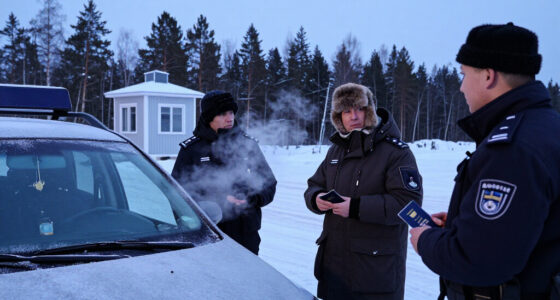
Russian authorities initially said the fire had not polluted the sea. On October 7, Rospotrebnadzor and Sochi Mayor Andrey Proshunin were among those who said there was no pollution. The Kremlin said the response was going well, although authorities imposed swimming restrictions at Sochi beaches. Greenpeace’s assessment, based on satellite imagery, and reports of contaminated birds have since complicated that account.
Other environmental incidents have affected the region. In spring 2026, strikes on Tuapse targeted an oil refinery and marine terminal; fires were followed by reports of oil rain and petroleum products in a river and the Black Sea. In 2024, two tankers wrecked in a storm in the Kerch Strait while carrying a combined 9,200 metric tons of heavy fuel oil. The spill contaminated coastline in Krasnodar Krai, and Anapa’s beaches were declared unfit for swimming in summer 2025.
““As of now, no significant amounts of petroleum products have been found washed ashore, nor have any large oil slicks been detected on the sea’s surface.””
— Krasnodar Krai emergency response headquarters
Cargo and Pollution Extent Disputed
Several central details remain unresolved. Greenpeace said it could not determine whether the Rio was carrying oil when it was attacked, and reports differ on whether the vessel was loaded or sailing empty. The group believes the fire burned bunker fuel rather than the tanker’s cargo, but the available information does not establish what fuel burned or whether cargo entered the water.
The scale and source of pollution are also contested. Greenpeace’s estimate comes from satellite imagery, while regional officials say they have detected no large slick and that material found ashore was not from the Rio. The source material does not provide independent confirmation reconciling those accounts, a complete map of affected waters, or a final assessment of ecological damage. It is also unclear how much of the reported contamination has reached shore or how long cleanup will take.
Monitoring and Shoreline Cleanup
Regional specialists are cleaning the shoreline in Novorossiysk, and the heightened-alert order keeps possible spill risks in focus in Gelendzhik and Novorossiysk. Further satellite analysis, shoreline inspections and wildlife assessments could clarify the slick’s movement and effects. The source material does not give a timetable for concluding cleanup or publishing a comprehensive environmental assessment.
For now, the key points to watch are whether authorities or independent environmental specialists report additional slicks or contaminated shoreline, and whether testing identifies the petroleum products involved. The available reports do not establish a final cause-and-impact account for the pollution attributed to the tanker incident.
Key Questions
How large was the reported oil slick?
Greenpeace estimated about 25 square kilometers, or 10 square miles, from satellite imagery taken on October 8. The group had identified a trail of about 8 square kilometers the previous day.
What happened to the tanker Rio?
The Liberian-flagged Rio caught fire off Sochi on October 6 after what Russia’s Transport Ministry described as an attack by uncrewed boats. Its 23 crew members were evacuated.
Do officials agree that there was a large spill?
No. Greenpeace reported a slick visible in satellite images. Russian regional authorities said they had found no large slick and no significant amount of petroleum products ashore, while acknowledging small amounts had reached the Novorossiysk shoreline.
Is it known whether the tanker was carrying oil?
No. Accounts conflict over whether the Rio was carrying crude oil or sailing empty to load later. Greenpeace said it could not determine the cargo status and believes the fire involved the vessel’s bunker fuel.
Source: rss
Halloween Picks
halloween
As an affiliate, we earn on qualifying purchases.