
📊 Full opportunity report: How Physical Ratings Guide Accessible Choices on IdeaNavigator AI — validation score, market gap, and execution plan.

Get travel and outdoor gear delivered free with Prime
- Fast, free delivery on millions of items
- Prime Video, Amazon Music and more included
- Member-only deals all year
TL;DR
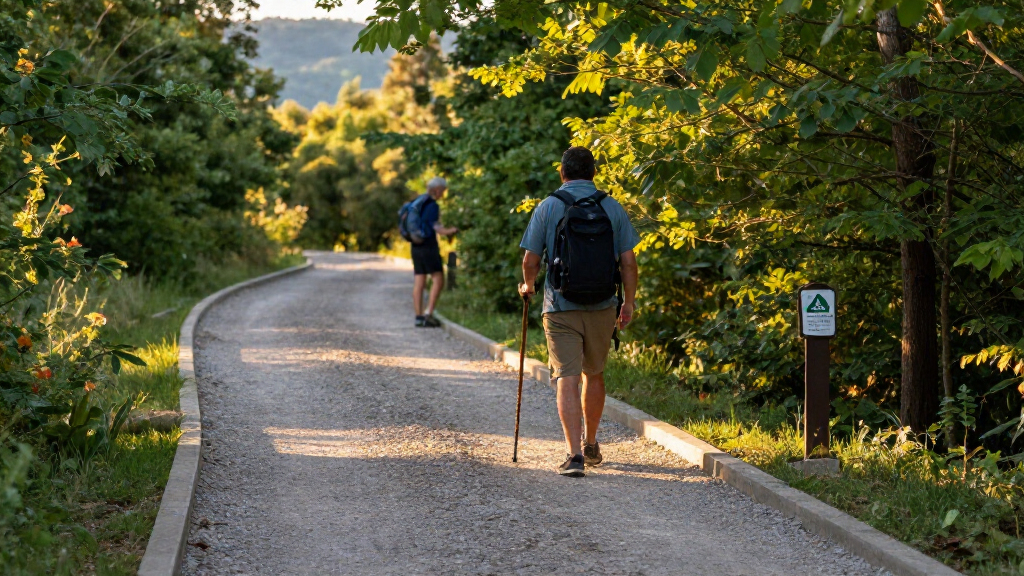
IdeaNavigator AI has outlined a proposed service that would give tours detailed physical-demand profiles, including walking distance, stairs, surfaces and places to rest. The concept is aimed at tour operators serving older travelers, but it is a business proposal, not a launched service or a reported policy change; its effects would need to be tested with operators and guests.
IdeaNavigator AI has proposed a service that would give tours detailed physical-demand profiles before travelers book, an approach intended to help older guests and people with mobility or stamina limits judge whether an excursion is manageable. The proposal targets tour operators and shore-excursion sellers, but no pilot, product launch or measured result is reported.
The proposed profiles would go beyond broad labels such as “moderate” or “some walking.” For each tour, the service would record total walking distance, the longest stretch without a break, stair count, steepest gradient and surface type. It would also note expected standing time, whether seated rests are available and whether a step-free alternative exists.
Under the suggested minimum viable product, guides would use a phone app to record a real tour run, including a GPS track and stair count. Operators would then place an embeddable rating badge and booking-page filter on their sites. A guest-facing self-check would help customers compare their own abilities with the listed demands. The proposal focuses on travelers who can walk but may need limits on distance, stairs or standing, rather than only on wheelchair-accessible facilities.
The business model described is a subscription priced according to how many products an operator rates, plus a one-time charge for rating an existing tour catalog. The suggested validation is to rate 30 excursions across two operators serving customers aged 60 and older, display the profiles for one season and compare operational and customer indicators with the previous season.
How Physical Ratings Guide Accessible Choices
IdeaNavigator AI proposes detailed physical-demand profiles for tours. The service is a business proposal, not a launched product or a proven result.
What a profile would cover
Specific details could help guests judge tour demands before booking.
Walking and stairs
List total distance, the longest stretch without a break and stair count.
Surfaces and slopes
Describe surface type and the steepest gradient.
Standing and breaks
Note expected standing time, seated rests and step-free alternatives.
Who the idea is for
The proposal focuses on travelers who can walk but may need limits on effort.
- Older travelers
- People who use canes
- Guests with heart, lung or joint limitations
- River-cruise lines
- Alumni travel programs
- Small-group tour companies
- Shore-excursion sellers
How the proposed service works
A guide uses a phone app to capture a real run, including a GPS track and stair count.
Operators add a rating badge and booking-page filter; guests use a self-check to compare their abilities with the profile.
A limited test is proposed
Making Tour Demands Easier to Judge
For a traveler, a broad activity label can leave important practical questions unanswered. A tour described as moderate may still involve uneven paving, a long stretch on foot, many stairs or extended standing. More specific information could let customers decide before paying whether to book, ask for an alternative or seek clarification from the operator.
The proposal also points to potential operational benefits for sellers. If travelers have a clearer picture of a tour’s demands, operators may be better able to match guests with suitable outings and set expectations for guides. The idea’s proposed measures—incident reports, guide-flagged stragglers, refund requests and reviews mentioning excessive effort—could help assess whether detailed ratings change outcomes. Those are evaluation targets, however, not demonstrated savings or results.
Physical effort is not the same as whether a venue or vehicle is wheelchair-accessible. A traveler may walk independently yet need frequent rests, avoid steep slopes or be unable to manage a particular staircase. Recording several dimensions could make such differences more visible, provided the information is consistent, current and understandable to customers.
Products Worth Considering

Samsonite Tour Deluxe Hard-Shell Golf Travel Case

Samsonite Tour Deluxe Golf Hard Case Travel Bag

Samsonite Tour Pro Hard-Sided Golf Travel Case
As an affiliate, we earn on qualifying purchases.
A Different Measure of Accessibility
The proposal identifies older travelers, including people who use canes or have heart, lung or joint limitations, as a group that may benefit from more detailed descriptions. It names river-cruise lines, alumni travel programs, small-group tour companies and shore-excursion sellers as possible initial customers. Its suggested first test is deliberately limited: two operators and 30 excursions, rather than an immediate industry-wide standard.
It also cites the European Accessibility Act, which has applied since June 28, 2025. The proposal says the law requires in-scope air, bus, rail and waterborne passenger services to provide information about accessibility of vehicles, surrounding infrastructure and the built environment. That is relevant policy context, but the proposed tour-effort profile is not presented as a legal requirement, nor does the proposal establish that the law specifically requires these measurements for individual excursions.
IdeaNavigator AI also points to Wheel the World’s reported $11 million Series A financing in February 2026 as evidence of investor interest in accessibility data. It distinguishes the proposed service from wheelchair-oriented measurements, arguing that walking effort along an itinerary is a separate information need. The financing is a market signal cited in the proposal, not proof that operators will adopt this particular product.
Evidence and Rating Standards
No operator trial or outcome data is provided. It is not clear whether the proposed app or booking-page tools have been built, whether any tour companies have agreed to participate, or when a pilot might begin. The expected effect on incidents, refunds, guide workload and customer reviews remains untested.
The proposal also does not specify how ratings would be verified or kept current after a route changes. A GPS trace and stair count could document parts of an outing, but the suggested profile includes judgments such as steepness, standing demands and rest availability. Rating definitions, measurement methods and update schedules would need to be established before customers could reliably compare different operators’ listings.
It remains unclear how the service would account for differences between travelers. The same distance or staircase may be manageable for one person and difficult for another, depending on health, pace, weather and access to support. A rating could inform a booking decision, but the proposal does not describe clinical guidance or a guarantee that a tour is suitable for an individual guest.
Testing Ratings on Real Excursions
The next step set out in the proposal is a one-season test with two operators serving guests aged 60 and older. The suggested trial would rate 30 existing excursions, publish the profiles on booking pages and compare selected indicators with the prior season. No start date, participating operators or results have been announced in the material describing the concept.
For that test to show whether the approach is useful, operators would need to define how they record incidents, identify guests who struggle with the route, count refund requests and track relevant review language. Comparisons with a previous season could be affected by changes in tour demand, weather, itineraries or customer mix, so results would need to be interpreted with those factors in view.
Any future rollout would also depend on whether travelers understand the ratings and whether operators can maintain accurate profiles without adding too much fieldwork. Until a pilot reports findings, the proposal remains a testable product idea, not evidence that detailed physical-demand ratings have reduced problems on tours.
Source: IdeaNavigator AI
Key Questions
What would a physical-demand rating include?
The proposed profile would list walking distance, longest uninterrupted walk, stairs, steepest gradient, surface type, standing time and seated-rest availability, along with any step-free alternative.
Is this rating service already available?
The material describes a proposed service and a possible pilot. It does not report a launch, participating operators or a completed test.
Would the ratings guarantee that a tour is suitable?
No such guarantee is described. The ratings are intended to provide information for booking decisions; individual ability can vary, and the proposal does not present the profiles as medical advice.
How would the idea be tested?
The suggested test would rate 30 excursions for two operators, show the profiles for one season and compare incident reports, guide-flagged stragglers, refund requests and reviews mentioning excessive effort with the prior season.
Source: IdeaNavigator AI