

TL;DR

Get travel and outdoor gear delivered free with Prime
- Fast, free delivery on millions of items
- Prime Video, Amazon Music and more included
- Member-only deals all year
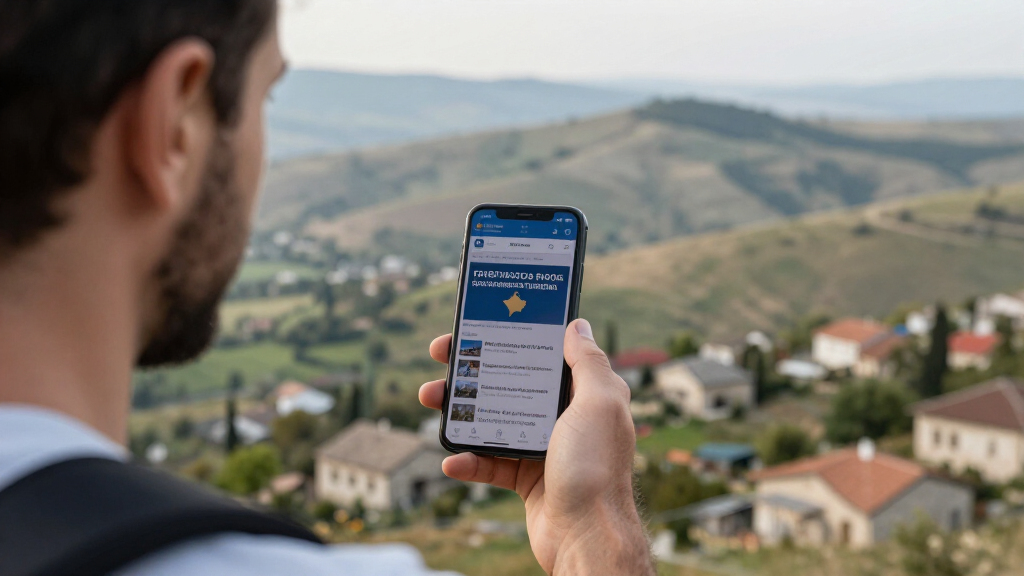
Kosovo has seen a sharp increase in global media mentions, with 29 reports in a recent window, indicating heightened international interest. The development reflects growing attention but lacks clarity on specific causes.
Kosovo’s international media coverage has surged significantly, with 29 mentions recorded in a recent monitoring window, according to GDELT. This increase highlights growing global attention to the region amid ongoing political and diplomatic developments, though the exact reasons for the surge remain unclear.
Data from the GDELT Project indicates that Kosovo has experienced a notable rise in media mentions, reaching 29 in the latest measurement period. This development reflects growing attention to the region. This figure represents a substantial increase compared to previous levels, suggesting heightened international interest.
Experts caution that while the number of mentions has increased, the specific topics or events driving this attention are not yet fully identified. Some analysts speculate it could be related to recent diplomatic moves, regional stability concerns, or international negotiations involving Kosovo. Some analysts speculate it could be related to recent diplomatic moves, regional stability concerns, or international negotiations involving Kosovo.
Officials from Kosovo and neighboring countries have yet to issue detailed statements linking the coverage surge to specific incidents. For more on regional developments, see regional media coverage. The media attention appears to be broad, spanning political, security, and diplomatic spheres.
Impact of Increased Media Attention on Kosovo’s International Relations
The surge in global coverage underscores Kosovo’s rising profile on the international stage, which could influence diplomatic negotiations and regional stability. Increased media focus often correlates with heightened diplomatic activity or external interest, potentially affecting Kosovo’s efforts to gain broader recognition and support.
For local policymakers, the attention may bring both opportunities for diplomatic engagement and challenges related to managing international perceptions. The development also signals that Kosovo’s regional issues are gaining prominence in global discourse, which could impact future negotiations and international involvement.
As an affiliate, we earn on qualifying purchases.
Recent Trends in Kosovo’s International Media Coverage
Over the past year, Kosovo has experienced fluctuating levels of international media attention, often linked to political developments, regional tensions, or diplomatic initiatives. The recent increase to 29 mentions marks a significant jump, suggesting a shift in focus.
Historically, Kosovo’s recognition and independence remain contentious issues, with ongoing debates in international forums. Media coverage tends to spike during key events, such as elections, diplomatic visits, or security incidents, although the current surge appears more sustained and broad-based.
GDELT’s data indicates that this is one of the highest recent mention counts, reflecting a broader regional or global interest that warrants close monitoring.
“We welcome increased international interest, which can support our efforts for recognition and stability.”
— Kosovo government spokesperson
Unclear Causes Behind the Media Coverage Spike
It is not yet confirmed what specific events or developments triggered the surge in mentions. Analysts have not identified a single incident or policy as the primary driver, and the reasons remain speculative at this stage.
Further monitoring and analysis are required to determine whether this is a temporary spike or part of a longer-term trend linked to regional or international dynamics.
Monitoring Future Media Trends and Diplomatic Moves
Officials and analysts will continue to track Kosovo’s media coverage to identify emerging patterns or key events. Future developments might include diplomatic visits, regional negotiations, or international recognitions that could influence coverage levels.
Experts suggest paying close attention to upcoming regional summits, international forums, and Kosovo’s own political statements for signs of further developments.
Key Questions
Why has Kosovo’s media coverage increased suddenly?
The exact cause is unclear; the surge may be linked to regional diplomatic developments, security concerns, or international negotiations, but no definitive event has been identified yet.
Does this increase in coverage indicate a change in Kosovo’s international recognition?
Not necessarily. While increased media attention can influence perceptions, it does not automatically translate into recognition or policy changes. The coverage reflects heightened interest but not a specific diplomatic breakthrough.
How might this coverage impact Kosovo’s diplomatic relations?
Greater international media focus could draw more diplomatic engagement or pressure, potentially influencing negotiations and regional stability. However, the precise impact depends on subsequent developments and responses from key actors.
Are there any upcoming events that could further influence coverage?
Upcoming regional summits, international meetings, or Kosovo’s own political initiatives could trigger further media attention. Monitoring these events will be crucial for understanding future trends.
Source: gdelt
Fall Picks
fall essentials
As an affiliate, we earn on qualifying purchases.