
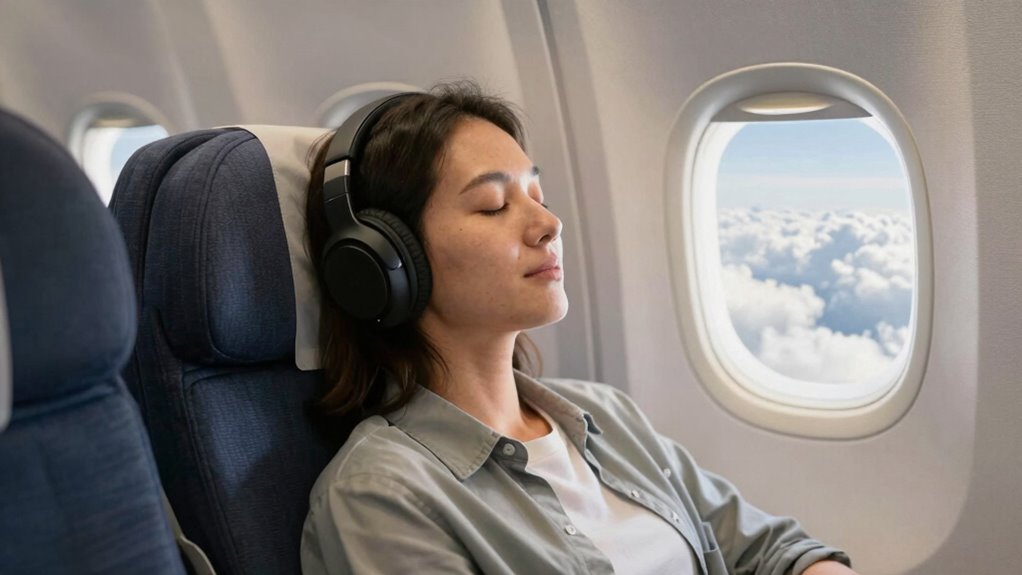

On long flights, comfort is more important than brand names when choosing noise-cancelling headphones. Poor fit can cause discomfort, fatigue, and even disrupt your sleep, no matter how great the brand. A well-designed, ergonomic pair contours to your head and ears, reducing pressure and ensuring they stay secure without pinching. With the right fit, noise cancellation works better, keeping you relaxed. Keep exploring to discover tips for selecting the most comfortable and effective headphones for your journey.

Get travel and outdoor gear delivered free with Prime
- Fast, free delivery on millions of items
- Prime Video, Amazon Music and more included
- Member-only deals all year
Key Takeaways
- Comfort ensures headphones stay secure and effective without frequent adjustments, maintaining noise cancellation during long flights.
- Proper fit and ergonomic design prevent discomfort, fatigue, and pressure points that can worsen over extended wear.
- Lightweight and balanced headphones reduce strain, allowing for relaxation, sleep, and overall enjoyment on long journeys.
- Material choices like breathable fabrics prevent overheating and sweating, enhancing comfort during prolonged use.
- Prioritizing comfort over brand reputation guarantees a better overall experience, as fit and ergonomics directly impact noise cancellation effectiveness.
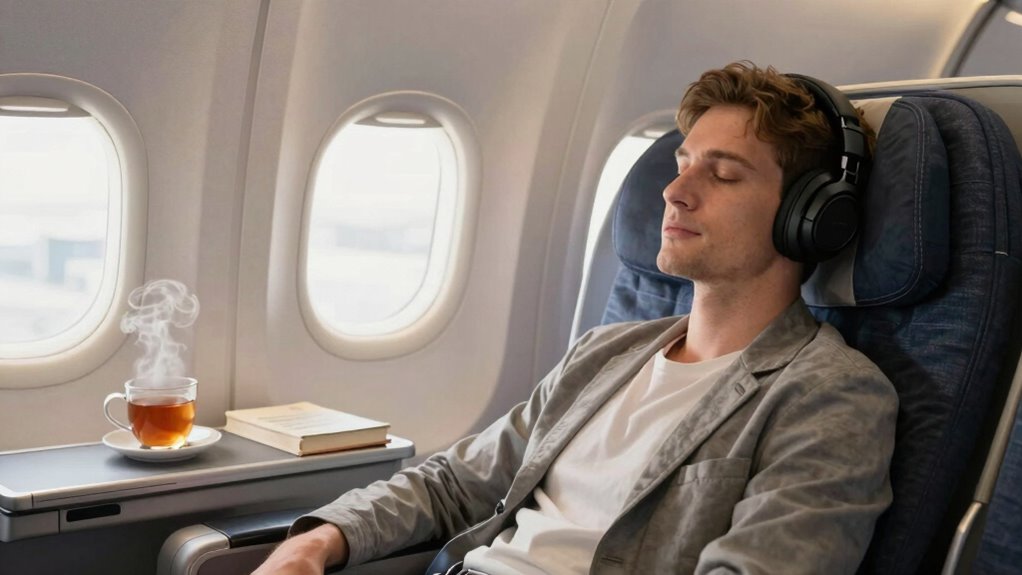
When you’re flying for hours on end, comfort often outweighs brand loyalty, especially when it comes to noise-cancelling headphones. Long flights can be exhausting, and if your headphones aren’t comfortable, they’ll only make your experience worse. You need headphones that fit well, don’t cause pressure points, and stay secure without squeezing too tightly. Headphone ergonomics play an essential role here. Good ergonomics mean a design that contours comfortably to your head and ears, preventing discomfort after hours of use. Whether you’re trying to block out crying babies or the constant hum of the airplane, your headphones should sit snugly but comfortably, without pinching or leaving marks. Additionally, choosing headphones with ergonomic design can significantly enhance your comfort during long durations of wear. Properly designed headphones can also help prevent ear fatigue, which is common during extended use.
Comfortable, well-fitting headphones are essential for long flights—avoid pressure points and ensure a snug, secure fit.
For optimal comfort, look for models made with breathable materials that allow air circulation and reduce heat buildup. Airline noise levels can be surprisingly high, especially on older aircraft or during busy travel times. Even the best noise-cancelling feature can struggle against persistent engine drone, but a well-designed pair of headphones can markedly reduce that distraction. When you’re choosing headphones, don’t just focus on the noise-cancelling tech itself—look at how well they fit and how comfortable they are to wear for long stretches. If they’re uncomfortable, you might find yourself constantly adjusting or taking them off, defeating their purpose. Plus, uncomfortable headphones can cause headaches or ear fatigue, making your long flight even more unpleasant.
Comfort doesn’t just come down to padding or material—it’s also about weight. Heavy headphones can cause strain after a few hours, making it hard to relax or sleep. Lightweight, well-balanced headphones distribute pressure evenly, so you can wear them for hours without discomfort. Also, consider the materials used—breathable fabrics or padded ear cups prevent overheating and sweating, which can add to discomfort during long flights.
In the end, you should prioritize headphones that offer a perfect balance of noise-cancellation and comfort. High-end brand names might promise premium quality, but if their headphones aren’t ergonomically designed for long wear, they won’t serve you well on extended flights. The best choice is headphones that mold comfortably to your ears, minimize fatigue, and effectively reduce the noise of the airline environment. Comfort matters more than brand because, during those long hours, your focus should be on relaxing, sleeping, or enjoying your entertainment—not fighting discomfort. The right pair can make your journey feel a lot shorter and far more pleasant.
comfortable noise-cancelling headphones for long flights
As an affiliate, we earn on qualifying purchases.
As an affiliate, we earn on qualifying purchases.
Frequently Asked Questions
How Do Noise-Cancelling Headphones Work During Long Flights?
During long flights, noise-cancelling headphones work by using microphones to pick up ambient sounds, then generating sound waves that cancel out noise through active noise cancellation. They also adjust for air pressure changes, reducing discomfort, and often offer ambient sound modes so you can hear important announcements or stay aware of your surroundings. This combination helps you stay comfortable, relaxed, and focused, making your flight more enjoyable.
Are Budget Noise-Cancelling Headphones as Effective as Premium Brands?
Budget noise-cancelling headphones can be surprisingly effective, but their performance often depends on brand reputation and price versus performance. While they may block out some noise well, they might lack the comfort and durability of premium models. If you prioritize comfort and reliable noise cancellation on long flights, investing in a reputable brand might be worth the extra cost. However, for casual use, budget options can still serve you adequately.
What Features Should I Prioritize in Noise-Cancelling Headphones for Travel?
You should prioritize comfort features like cushioned ear cups and adjustable headbands, ensuring long-term wearability. Look for noise-cancelling headphones with good sound quality, including balanced audio and effective noise reduction. Lightweight designs and breathable materials make travel more comfortable, while intuitive controls and long battery life add convenience. Focus on these features to find headphones that offer both comfort and sound quality, making your flights more enjoyable and less tiring.
How Long Do Noise-Cancelling Headphone Batteries Typically Last?
Like a trusty steed in a medieval tale, your noise-cancelling headphones’ battery life varies, but most last between 20 to 40 hours on a full charge. Good power management is key—turn off noise cancellation when not needed, and recharge regularly. Some models offer quick-charge features, giving you hours of use after just a short charge. Always check battery life specs before your trip to guarantee uninterrupted silence.
Can Noise-Cancelling Headphones Help Reduce Travel Anxiety?
Yes, noise-cancelling headphones can help reduce travel anxiety by blocking out cabin noise and easing travel fatigue. When you wear them, you create a calmer environment, making it easier to relax or focus on music, meditation, or sleep. By minimizing external distractions, they help you feel more in control, reducing stress and making your journey more comfortable overall. This comfort can substantially lower travel anxiety during long flights.
Conclusion
So, next time you’re preparing for a long flight, prioritize comfort over brand names. Remember, a recent survey found that 78% of travelers rated noise-cancelling headphones as more essential than their airline’s amenities. Investing in a high-quality pair that fits comfortably and blocks out noise can turn a stressful journey into a peaceful escape. Don’t settle for less—your ears and sanity will thank you for choosing comfort that truly works.
Halloween Picks
halloween
As an affiliate, we earn on qualifying purchases.