
TL;DR

Get travel and outdoor gear delivered free with Prime
- Fast, free delivery on millions of items
- Prime Video, Amazon Music and more included
- Member-only deals all year
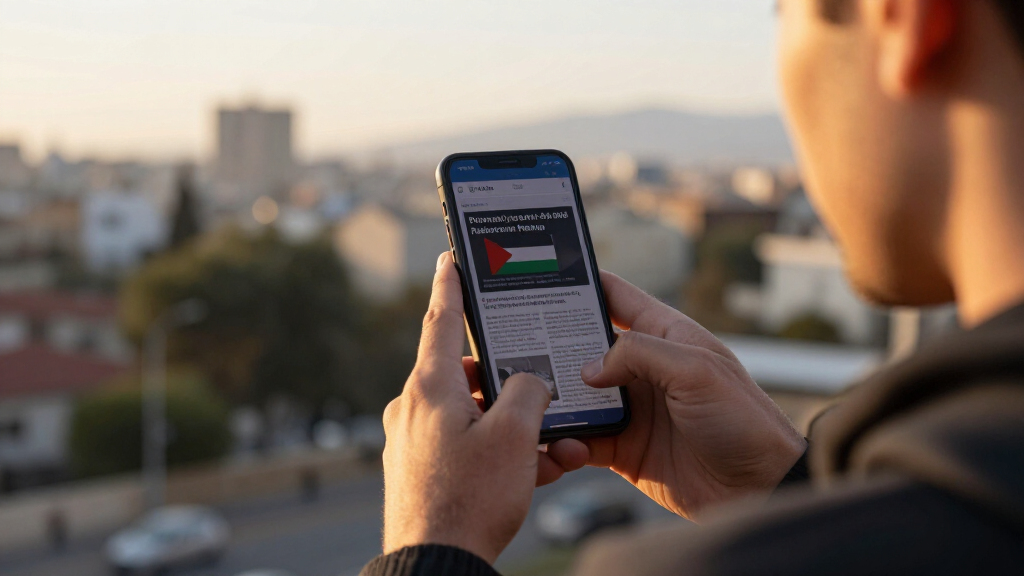
Media coverage of Palestine has surged dramatically, with mentions increasing 15-fold according to GDELT data. This reflects heightened international focus amid ongoing conflicts and diplomatic developments. The surge raises questions about the causes and implications of increased attention.
Media coverage of Palestine has surged significantly in recent weeks, with mentions increasing 15 times above baseline levels, according to GDELT data. This rise in attention comes amid ongoing conflicts and diplomatic developments, making it a notable shift in international news focus.
According to the GDELT Project, which monitors global news coverage, mentions of Palestine have reached a level 15 times higher than the typical baseline within the recent reporting window. In total, 42 mentions related to Palestine were recorded in this period, compared to an average of about 2-3 mentions in normal circumstances.
While the increase reflects heightened media interest, the specific events driving this surge remain under analysis. Some sources suggest that recent escalations in conflict, diplomatic efforts, or international protests could be contributing factors. However, no single event has been officially identified as the sole cause of this spike.
Experts say this surge in coverage indicates growing global concern or attention, but it is not yet clear how long this heightened focus will last or whether it will translate into policy or diplomatic shifts.
Implications of Increased Media Attention to Palestine
The surge in coverage highlights a rising international focus on Palestine, which could influence diplomatic discourse, public opinion, and policy responses. Increased media attention often correlates with greater political pressure and awareness, potentially impacting ongoing negotiations or conflicts.
For policymakers, journalists, and advocacy groups, this heightened visibility underscores the importance of monitoring developments and engaging with the issues at stake. However, it also raises concerns about the potential for coverage to be driven by specific events or narratives, which may not fully represent the complexity of the situation.
Products Worth Considering

GoPro Fluid Pro AI 3-Axis Gimbal Stabilizer

Bose QuietComfort Ultra Earbuds (2nd Gen), Deep Plum

Sony WH-1000XM6 Wireless Noise-Canceling Over-Ear Headphones, Blue, Bundle
As an affiliate, we earn on qualifying purchases.
Recent Trends in Media Coverage of Palestine
Historically, coverage of Palestine has fluctuated in response to specific events such as conflicts, peace negotiations, or international protests. The current surge marks a notable deviation from typical patterns, with media mentions reaching levels not seen in recent years.
GDELT data shows that this increase coincides with a period of intensified conflict escalation, diplomatic activity, and global protests, although no single event has been definitively linked to the surge. Analysts note that media attention can be influenced by multiple factors, including geopolitical shifts and media cycles.
“The international community is closely watching developments in Palestine, and media coverage often reflects this heightened engagement.”
— UN spokesperson
Unclear Causes Behind the Coverage Surge
While the data confirms a substantial increase in media mentions, it remains unclear what specific events or factors are driving this surge. No single incident has been officially identified as the catalyst, and the reasons may include a combination of conflicts, diplomatic efforts, or media cycles.
It is also uncertain how long this heightened attention will last or whether it will lead to tangible policy changes or international action.
Monitoring Future Media Trends and Diplomatic Moves
Observers will continue to track media coverage levels and analyze whether the surge sustains or diminishes. Additionally, diplomatic actors and international organizations may respond to the increased attention by engaging in negotiations or issuing statements.
Further data and analysis will clarify whether this surge signals a turning point or a temporary spike in attention.
Key Questions
What caused the surge in media coverage of Palestine?
The exact causes are not yet confirmed, but recent escalations in conflict, diplomatic activities, and international protests are likely contributing factors.
How long is the increased coverage expected to last?
It remains uncertain how long the surge will continue; ongoing developments and media cycles will influence this trend.
Will this media attention lead to policy changes?
It is too early to determine if increased coverage will result in concrete policy or diplomatic shifts, but heightened attention can influence decision-making.
Is this surge unprecedented?
While media coverage of Palestine varies over time, the current level of attention, as indicated by GDELT data, is notably higher than recent years.
What are the potential impacts of this coverage increase?
Potential impacts include increased diplomatic engagement, shifts in public opinion, and possibly more international pressure on involved parties.
Source: gdelt