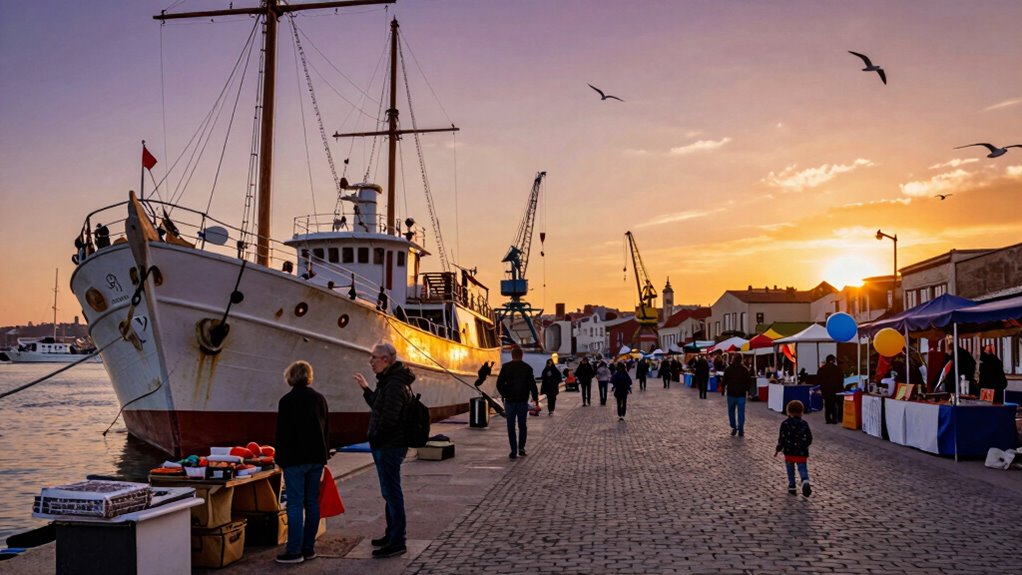

Port cities are better for wandering than scheduling because their rich history, vibrant culture, and maritime charm invite you to explore spontaneously. You can stumble upon hidden alleys, authentic cafes, and local crafts without feeling rushed. Each corner seems to tell a story, making every moment unique. By wandering freely, you connect more deeply with the city’s charm and authenticity. If you keep exploring, you’ll uncover even more stories behind each cobblestone and dockside.

Get travel and outdoor gear delivered free with Prime
- Fast, free delivery on millions of items
- Prime Video, Amazon Music and more included
- Member-only deals all year
Key Takeaways
- Port cities offer layered histories and authentic charm that reveal themselves gradually through spontaneous exploration.
- Walking without a fixed schedule allows deeper immersion in local culture, cuisine, and craftsmanship.
- Their vibrant community scenes and street markets thrive on unplanned interactions and discoveries.
- Preserved maritime sites and neighborhoods are best appreciated at a relaxed, unhurried pace.
- The unpredictable nature of wandering uncovers hidden gems beyond tourist itineraries.
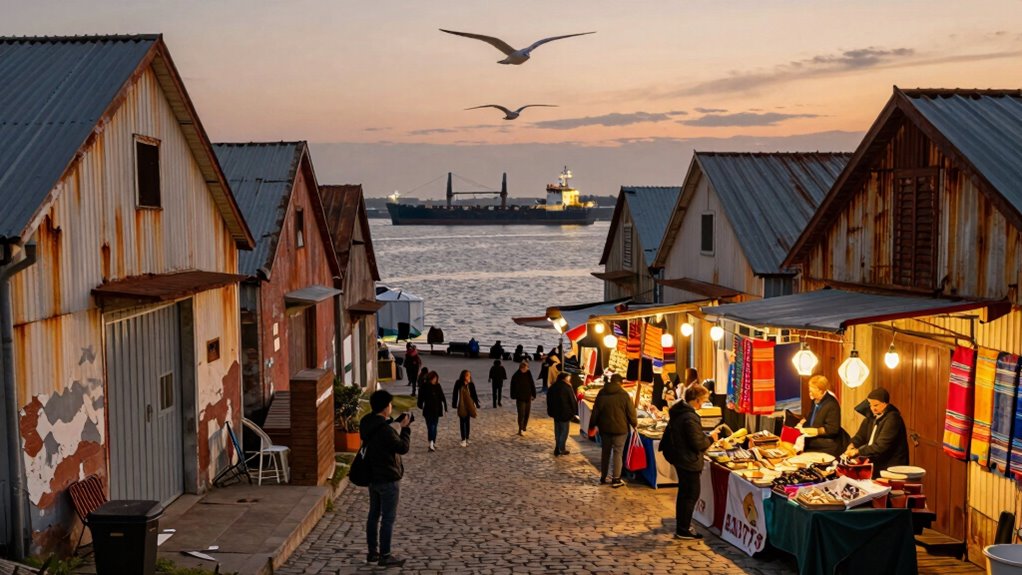
Port cities have long served as gateways to adventure, offering travelers a vibrant blend of culture, history, and maritime charm. When you wander through these bustling hubs, you’re immersing yourself in stories etched into every cobblestone and dockside. Their maritime history shapes the very fabric of the city, revealing tales of explorers, traders, and seafarers who once navigated these waters. You’ll find that the ships that once carried goods and people have left behind a legacy that’s still visible today—museums, historic ports, and preserved vessels that beckon you to learn more. Instead of rushing through a tightly packed itinerary, you’re encouraged to drift naturally from one street to the next, soaking in the layers of history at your own pace. Exploring these cities often reveals sustainable practices that communities have adopted to preserve their maritime heritage and environment. These efforts help maintain the authenticity and charm that make port cities so unique for wandering.
One of the biggest reasons port cities feel so inviting for wandering is their rich and diverse local cuisine. As you stroll along waterfronts, you’re likely to encounter street vendors and open-air markets offering fresh seafood, local delicacies, and regional specialties. You can sample freshly caught fish grilled with simple herbs or indulge in seafood paella that’s bursting with flavor. The aroma of spices and grilled foods mingles with the salty sea air, creating an intoxicating atmosphere that’s impossible to replicate in a schedule. These culinary experiences aren’t just about eating—they’re about connecting with the city’s soul, understanding its cultural influences, and tasting the history in every bite. Additionally, many port cities emphasize cultural preservation, enriching your experience with authentic traditions and craftsmanship. Exploring local craftsmanship can provide deeper insight into the city’s history and cultural identity, making each discovery even more meaningful. Engaging with local artisans often reveals stories of craftsmanship that have been passed down through generations, adding an enriching layer to your wandering journey. A focus on community engagement further helps these cities sustain their cultural and environmental heritage for future generations.
portable travel journal for explorers
As an affiliate, we earn on qualifying purchases.
As an affiliate, we earn on qualifying purchases.
Frequently Asked Questions
How Do Port Cities Influence Local Culture and Lifestyle?
Port cities influence your local culture and lifestyle by immersing you in vibrant local cuisine and rich maritime history. You experience diverse flavors from seafood to international dishes, reflecting global influences. As you wander through bustling docks and historic harbors, you connect with the city’s maritime roots. This lively environment encourages spontaneous exploration, shaping your appreciation for local traditions and making your visit memorable and authentic.
What Are the Hidden Gems in Lesser-Known Port Cities?
You’ll find hidden gems in lesser-known port cities through their vibrant local cuisine and historic landmarks. Explore tucked-away markets offering fresh seafood and regional delicacies, and wander through charming streets lined with centuries-old buildings. These cities often hide secret cafes, art galleries, and scenic waterfronts that invite you to discover their authentic character away from tourist crowds. Embrace the spontaneous, letting your curiosity guide you to uncover these unique treasures.
How Safe Are Wandering Adventures in Busy Port Areas?
Wandering in busy port areas can be quite safe if you stay aware of harbor safety guidelines and keep an eye on your surroundings. However, you should remain cautious of wandering risks like congested spaces or pickpockets. Stick to well-lit paths, avoid isolated spots, and trust your instincts. With these precautions, you can enjoy exploring port cities confidently without worrying too much about safety concerns.
What Transportation Options Are Best for Exploring Port Cities?
You should consider ferry systems and bike rentals for exploring port cities. Ferries provide quick, scenic routes across waterways, letting you see the city from a different perspective. Bike rentals give you the flexibility to navigate narrow streets and waterfront areas at your own pace. Both options are affordable, eco-friendly, and allow you to immerse yourself in the local vibe without the stress of scheduled tours or crowded transportation.
How Do Port Cities Change With Seasons for Wandering Travelers?
You’ll find port cities change with the seasons through lively seasonal festivals that draw crowds and showcase local culture. In warmer months, you might enjoy exploring vibrant markets and outdoor events, while colder seasons bring a cozy atmosphere with festive lights. The port city architecture also shifts, with some buildings illuminated during festivals, giving you a different perspective each season. Wandering feels more spontaneous and immersive when you embrace these seasonal changes.
Conclusion
So, next time you find yourself in a port city, don’t just follow the map—let your curiosity be your compass. Wander through winding alleys and listen to the stories whispered by weathered walls. These cities are like open books, inviting you to lose yourself in their pages. Embrace the unpredictable rhythm of your footsteps, and you’ll discover treasures that no schedule could ever reveal. After all, the voyage is in the wandering.
Fall Picks
fall essentials
As an affiliate, we earn on qualifying purchases.