
TL;DR
Portable camping stoves come in many styles, from ultralight backpacking burners to sturdy car camping models. Picking the right one depends on your trip, weather, and fuel availability. Safety and efficiency are key—know what to look for before you pack your gear.
Ever tried to cook in the wild and found your stove struggling in the wind or cold? Or maybe you’ve lugged a bulky unit that never quite fit your needs? Portable camping stoves are more than just a tool—they’re the heart of your outdoor experience. The right stove makes boiling water, frying bacon, or simmering stew effortless, even in tricky conditions.
Whether you’re a weekend warrior or a seasoned expeditioneer, knowing what to look for can turn a frustrating trip into a culinary adventure under the stars. This guide breaks down the different types, key features, safety tips, and latest trends—so you can pick your perfect match and cook with confidence.
Match your stove type to your trip—ultralight for backpacking, stable two-burners for car camping.
Always operate your stove outdoors on stable, nonflammable surfaces to prevent accidents.
Invest in features like wind resistance, good simmer control, and reliable ignition for better performance.
Stay updated on trends: integrated systems, multi-fuel options, and eco-friendly designs improve safety and efficiency.
Test your fuel and stove setup at home before heading out—know your consumption and safety procedures.
What types of portable camping stoves really work for your trip?
Choosing a stove starts with understanding its style. Each type has strengths and weaknesses, depending on your trip’s demands. For example, a solo backpacker needs ultralight gear, while a family car camper might want stability and more cooking space.
Let’s compare the main types:
| Type | Best For | Pros | Cons |
|---|---|---|---|
| Canister stoves | Lightweight backpacking, quick setups | Clean burning, easy to control, compact | Performance drops in cold, can run out quickly |
| Remote-canister stoves | Larger cookware, cold-weather | Stable, good for simmering, inverted canister option | Bulkier, slightly heavier |
| Liquid-fuel stoves | Long expeditions, winter camping | Reliable in cold, high altitude | Heavier, more maintenance |
| Alcohol stoves | Ultralight backpacking, simple trips | Very light, quiet | Slow, tricky to control, safety concerns |
| Solid-fuel stoves | Emergency, ultralight needs | Super light, simple | Slow, residue, limited control |
Understanding these differences is crucial because your choice directly impacts your experience. For example, a canister stove’s convenience makes it ideal for most three-season trips, but its performance can decline in freezing temperatures. Conversely, liquid-fuel stoves excel in winter but require more maintenance and carry additional weight. Matching your trip’s conditions with the right stove ensures safety, efficiency, and enjoyment, avoiding frustrations like cold-start failures or unstable cooking setups that can ruin your outdoor experience.
As an affiliate, we earn on qualifying purchases.
Key features you must check before buying your camping stove
Not all stoves are created equal. When shopping, focus on these important aspects that impact safety, efficiency, and convenience:
- Weight and size: Ultralight stoves are perfect for backpackers who prioritize minimal weight, but they often compromise stability and simmer control. Larger, more robust stoves add weight but provide better heat distribution and durability—important for car camping or group cooking. Your choice affects portability versus performance.
- Fuel efficiency: A more efficient stove uses less fuel, which means lighter packs and less environmental impact. It also reduces the frequency of refueling stops, especially critical in remote areas. However, highly efficient models might be more complex or expensive, so consider your budget and trip length.
- Weather performance: Wind shields, cold-weather capabilities, and quick boil times matter when conditions are unpredictable. A stove with good wind resistance prevents heat loss, saving fuel and time. Cold-weather performance is essential for winter trips, where fuel vaporization can be hindered, and performance drops significantly without proper design.
- Cooking flexibility: If you only need to boil water, a simple canister stove might suffice. But if you want to simmer, fry, or cook delicate dishes, look for stoves with adjustable flame control and stable supports for larger pots. Sacrificing flexibility can limit your culinary options and impact meal satisfaction.
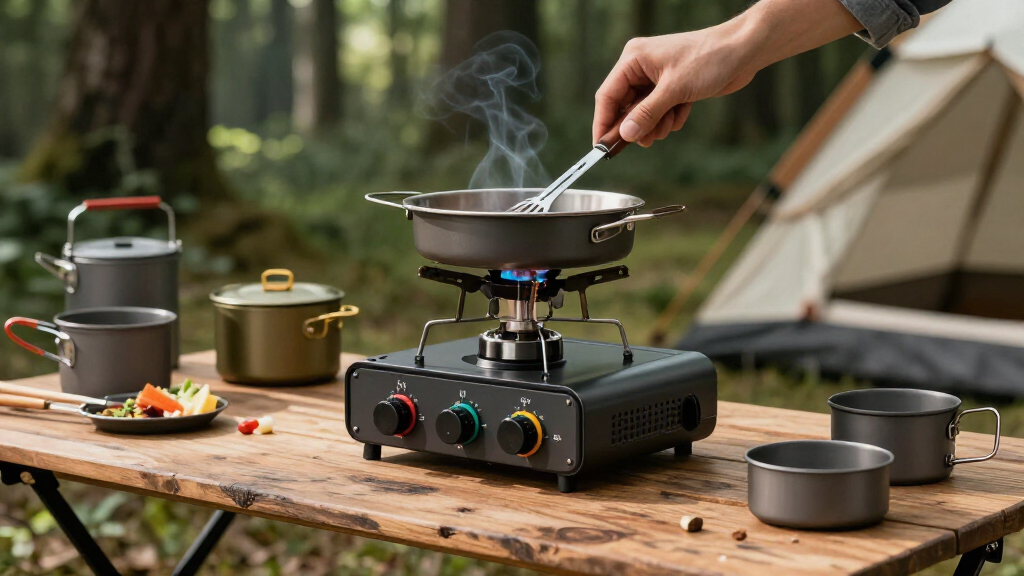
- Stability: Larger pots and heavier dishes require a stable platform. Wide bases, support arms, or remote fuel support help prevent tipping, especially on uneven ground. A stable stove reduces accidents, spills, and potential fires, which are critical safety considerations.
- Ignition: Piezoelectric igniters add convenience but can fail over time. Carrying matches or a lighter as backup ensures you can always start your stove. Reliability in ignition directly impacts your ability to cook reliably, especially in adverse conditions.
- Fuel availability: Ensure the fuel type your stove uses is accessible in your destination. Some areas lack certain canisters or liquid fuels, leading to stranded trips. Compatibility with local fuel sources saves you from carrying excessive supplies or facing supply shortages.
- Group size & altitude: Larger groups demand more powerful stoves with higher heat output. High-altitude trips require stoves designed to perform in low-pressure conditions, preventing underperformance and ensuring safety during cooking.
Understanding why these features matter helps you make an informed choice. For example, selecting a stove with excellent wind resistance and reliable ignition isn’t just about convenience—it’s about ensuring your safety and the success of your meal in unpredictable outdoor conditions. Recognizing the tradeoffs, like weight versus stability or fuel efficiency versus complexity, allows you to tailor your gear to your specific needs. This thoughtful approach reduces frustration and enhances your overall outdoor experience, making cooking enjoyable even in challenging environments.
Conclusion
Your choice of a portable camping stove shapes your entire outdoor experience. Pick one that fits your style, conditions, and safety needs. A reliable, well-maintained stove turns outdoor cooking into a joy, not a chore—fuel your trip with confidence and a little know-how.
Next time you pack your gear, imagine the aroma of fresh coffee or sizzling breakfast, all made possible by choosing the right stove. That’s the kind of trip memory that makes every hike, camp, or expedition worth it.