
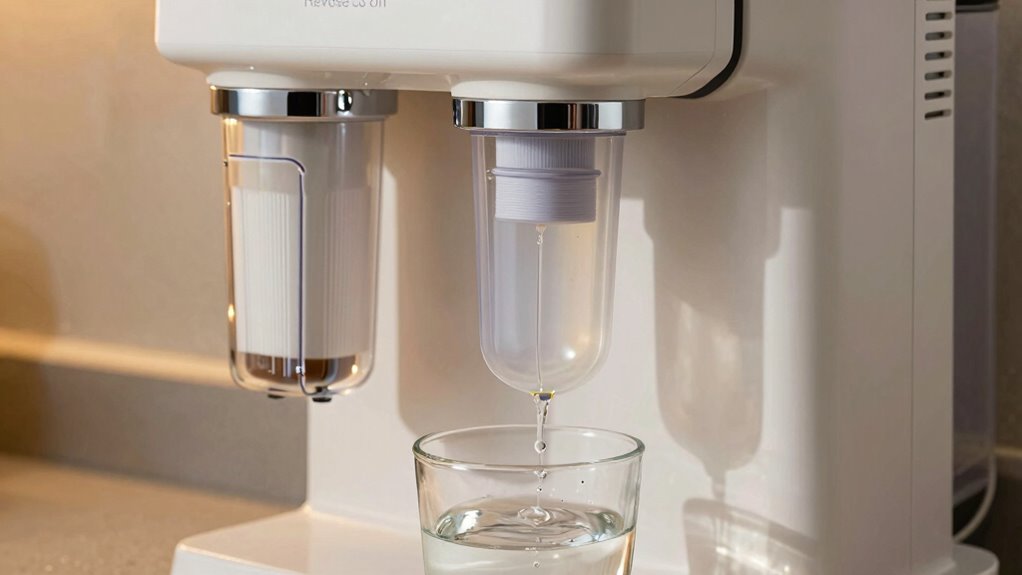

When you choose reverse osmosis, you might be surprised to learn it strips away not only harmful contaminants but also essential minerals like calcium and magnesium, which affects taste and health benefits. It also makes the water slightly more acidic, potentially harming plumbing and increasing corrosion risks. This process creates “dead water” lacking natural balance. If you want to understand how to manage these issues and get the most from your purified water, there’s more to discover below.

Get travel and outdoor gear delivered free with Prime
- Fast, free delivery on millions of items
- Prime Video, Amazon Music and more included
- Member-only deals all year
Key Takeaways
- Reverse osmosis removes beneficial minerals, leading to flat taste and potential health concerns due to mineral deficiency.
- The process causes water to become more acidic, which may corrode pipes and affect plumbing over time.
- Many buyers don’t expect the significant reduction in natural minerals, impacting water’s flavor and nutritional value.
- RO-treated water often requires re-mineralization to restore taste and maintain proper pH levels.
- Increased water acidity and mineral loss can result in more corrosive water, potentially damaging plumbing systems.
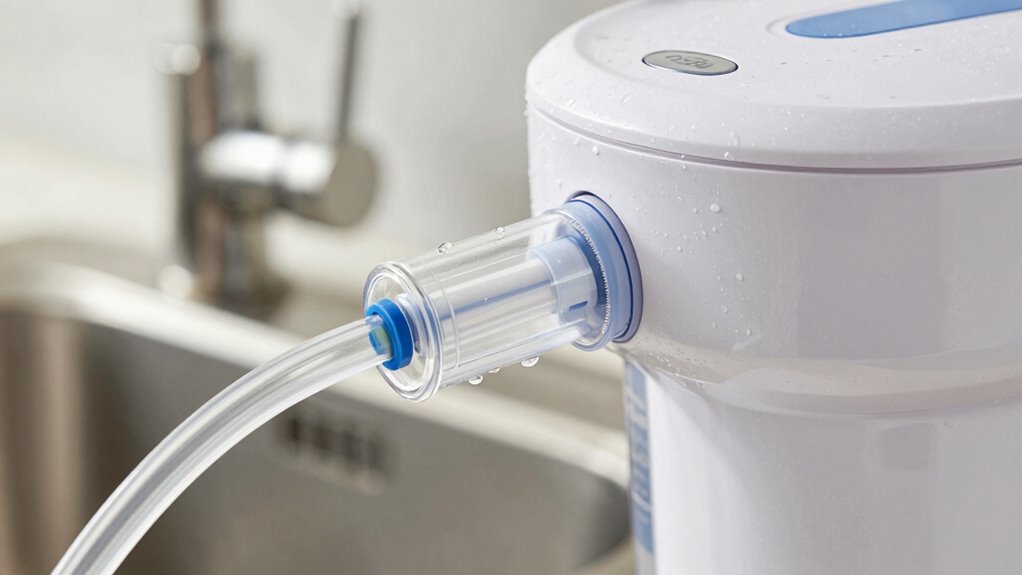
Reverse osmosis is a popular water purification method, but it comes with certain tradeoffs that you should consider. One of the most noticeable is how it affects your water’s pH level. When water passes through an RO system, it tends to become slightly more acidic because the process strips away minerals that naturally buffer the water’s pH. This change can make your water taste different and may impact your plumbing over time, especially if your pipes are sensitive to lower pH levels. You might not expect this shift, but it’s a common consequence of using reverse osmosis.
Another important factor often overlooked is mineral retention. While removing contaminants like heavy metals, pesticides, and bacteria is a major benefit, minerals such as calcium, magnesium, and potassium are also filtered out. These minerals are essential for your health and contribute to the water’s flavor. When they’re stripped away, your water can taste flat or bland, and you may need to supplement your diet with minerals from other sources. Many buyers don’t anticipate just how much mineral content is lost during the process, leading to a less satisfying drinking experience.
Mineral removal can make water taste flat and reduce its health benefits, often surprising users.
The tradeoff becomes more apparent once you realize that the mineral removal isn’t just about taste; it can also influence your health. Drinking mineral-deficient water over time might not provide the same health benefits as mineral-rich water, especially if your diet isn’t already rich in these nutrients. You might feel the need to add mineral drops or use remineralization filters after the initial purification, which adds complexity and cost to your setup. To make matters worse, the removal of essential minerals can also affect the water’s corrosiveness, potentially increasing the risk of plumbing issues if not properly managed. Understanding the impact on plumbing can help you better prepare for potential issues associated with lower pH levels. Additionally, the absence of natural minerals can sometimes lead to increased water corrosiveness, which may accelerate pipe deterioration over time. Some systems include remineralization stages precisely to address these concerns.
Furthermore, because reverse osmosis produces highly purified water, it’s often considered “dead water” — lacking the natural minerals that support bodily functions. This can be surprising, especially if you’re accustomed to mineral-rich tap or spring water. You may also notice that your water requires a bit more effort to maintain its taste, requiring adjustments or reintegration of minerals to get that balanced, fresh flavor. It’s important to understand that water mineral content plays a significant role in overall water quality and health benefits.
In the end, while reverse osmosis offers superior filtration, you should be aware of its impact on water pH and mineral retention. These factors can influence your water’s taste, health benefits, and compatibility with your plumbing system. Being prepared for these tradeoffs allows you to make a more informed decision and find ways to compensate, whether through remineralization or choosing an alternative purification method that retains more natural minerals.
reverse osmosis mineral re mineralization filter
As an affiliate, we earn on qualifying purchases.
As an affiliate, we earn on qualifying purchases.
Frequently Asked Questions
How Long Does a Reverse Osmosis System Typically Last?
A reverse osmosis system typically lasts 2 to 3 years, but this depends on water pH levels and mineral retention. If your water is highly mineralized, the filters may wear out faster, reducing lifespan. Regular maintenance and filter replacements help extend its life. Keep an eye on water quality and system performance, and replace filters promptly to guarantee consistent, clean water without compromising mineral retention or pH balance.
Can Reverse Osmosis Remove All Contaminants From Water?
Think of reverse osmosis as a powerful barrier, but not an invincible fortress. It removes many contaminant types like bacteria, heavy metals, and chemicals, yet filtration limitations mean some volatile organic compounds or pesticides can slip through. You might imagine a nearly impenetrable wall, but tiny gaps remain, reminding you that while RO markedly purifies water, it doesn’t eliminate every contaminant. Always consider additional treatments for complete safety.
Is Maintenance Required for Reverse Osmosis Filters?
Yes, maintenance is necessary for reverse osmosis filters. You need to regularly replace the filter cartridges to guarantee peak filtration and water quality. The filter lifespan varies depending on usage and water quality, but typically, filters should be changed every 6-12 months. While maintenance costs are an ongoing expense, staying on top of filter replacements ensures your system functions efficiently and avoids costly repairs or replacements down the line.
How Much Water Is Wasted During the Filtration Process?
You waste about 3 to 4 gallons of water for every gallon of purified water during reverse osmosis filtration. This water wastage is a common efficiency concern, especially if you’re on a water-restricted supply. While the process produces clean water, it’s essential to take into account this tradeoff. Improving system efficiency or using filters designed to minimize water wastage can help reduce this issue and save resources over time.
Are There Health Risks Associated With Reverse Osmosis Water?
You might have health concerns about reverse osmosis water, mainly because it can deplete essential minerals like calcium and magnesium from your body. While the filtration process removes contaminants, it also strips beneficial minerals, which could impact your overall health if consumed exclusively. To mitigate this, consider mineral supplementation or using remineralization filters, ensuring you enjoy clean water without risking mineral depletion or other health issues.
Conclusion
When you choose reverse osmosis, you’re balancing purity with practicality, clarity with caution, and convenience with compromise. You gain cleaner water, but you might lose minerals and taste. You enjoy peace of mind, yet face higher maintenance. Remember, every choice has a tradeoff—so weigh what matters most. By understanding both the benefits and the drawbacks, you make smarter decisions, knowing that sometimes, the best choice isn’t the easiest, but the most informed.
Columbus Day / Indigenous Peoples' Day Picks
long weekend sales
As an affiliate, we earn on qualifying purchases.