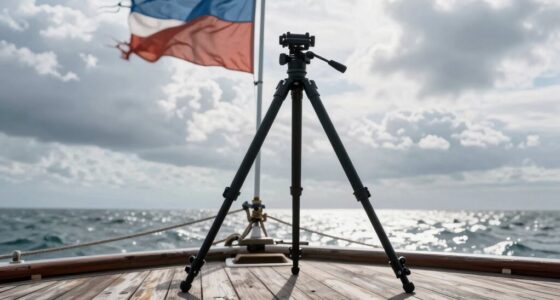
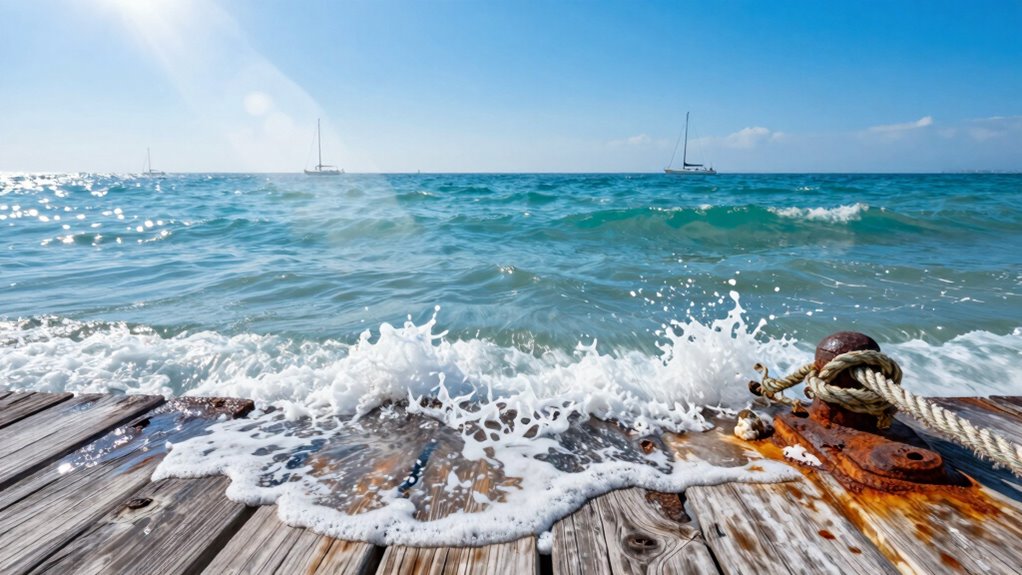

When you take your travel camera to the sea, salt air can cause serious damage over time. Salt particles settle on your gear, leading to corrosion of metal parts and deterioration of lenses. Moisture from humidity speeds up this process unless you rinse your camera with fresh water and dry it thoroughly. Protecting your equipment with filters, waterproof cases, and regular maintenance helps prevent long-term harm. Keep exploring to discover essential tips for safeguarding your gear at sea.

Get travel and outdoor gear delivered free with Prime
- Fast, free delivery on millions of items
- Prime Video, Amazon Music and more included
- Member-only deals all year
Key Takeaways
- Salt air causes corrosion and salt deposits on camera surfaces, degrading equipment over time.
- Moisture from humidity accelerates rusting, especially if gear is not thoroughly dried after exposure.
- Salt particles settle on lenses, creating water spots and potential damage to optical coatings.
- Continuous exposure without proper cleaning increases the risk of component deterioration.
- Using protective gear like filters, waterproof cases, and regular maintenance mitigates salt-air damage.
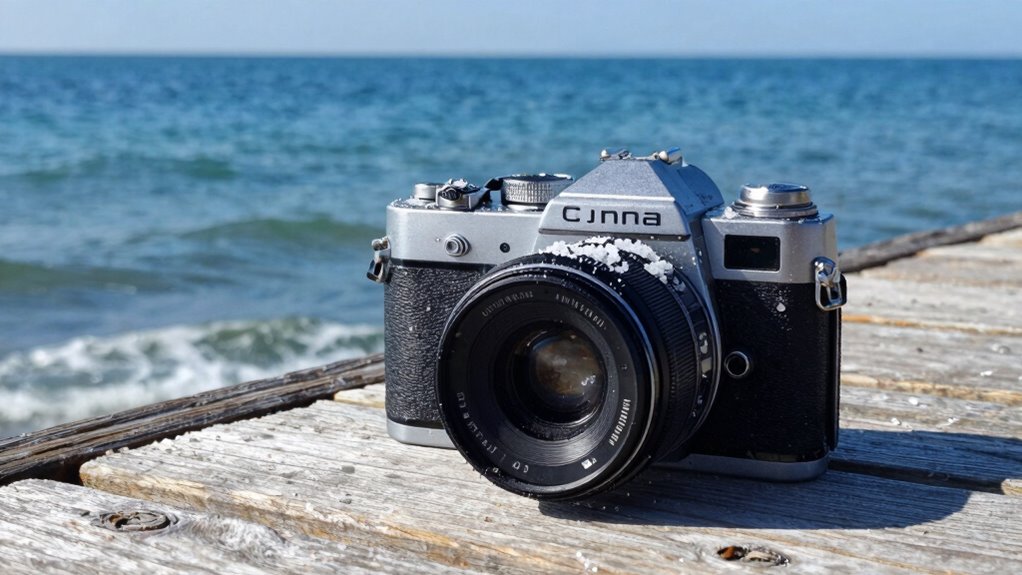
When you’re capturing memories at sea, salt air can quickly become a camera’s worst enemy. The salty atmosphere isn’t just a minor inconvenience; it actively works against your gear, causing corrosion and damage over time. That’s why understanding how to prevent corrosion and protect your lens is crucial when you’re out on the water. Salt particles settle on every surface, and if they’re not properly managed, they can lead to long-term deterioration of your camera’s components. To keep your equipment in top shape, you need to take deliberate steps for corrosion prevention. Regularly rinsing your camera with fresh water after exposure to the sea helps wash away salt residues that can corrode metal parts. Drying your gear thoroughly afterward is equally important, as moisture accelerates corrosion. Using silica gel packs or specialized desiccants inside your camera bag can also help absorb residual moisture, providing an extra layer of protection. Additionally, choosing cameras with marine-grade materials can offer enhanced resistance to salt and humidity. When it comes to lens protection, the challenge is even more immediate. Salt spray and humidity can cause water spots or fine salt deposits on your lens surface, impairing image quality. To combat this, always keep a microfiber cloth handy to wipe your lens gently and frequently. Investing in a high-quality UV filter or lens cover acts as a shield, preventing direct contact with salt particles and reducing the risk of scratches or damage. Be cautious when cleaning your lens—avoid harsh chemicals or rough cloths that might scratch the glass. Instead, use gentle lens cleaning solutions and soft cloths specifically designed for optics. Additionally, consider using a camera housing or waterproof case if you’re shooting close to the water or in rough seas. This extra layer of protection minimizes exposure to salt spray and helps maintain your camera’s integrity. Beyond physical measures, maintaining your camera’s internal health is vital. Regularly inspecting for any signs of corrosion or salt buildup allows you to address issues before they escalate. Lubricating moving parts with corrosion-inhibiting oils can extend your camera’s lifespan and keep it functioning smoothly. Incorporating protective coatings on your camera surfaces can provide an additional barrier against salt and moisture. Consistent maintenance routine is essential to prevent long-term damage, especially in harsh marine environments. Remember, the key is consistency—clean your gear thoroughly after each outing, especially if you’re exposed to harsh marine conditions. Proper care not only prolongs the life of your camera but also ensures you capture those beautiful sea moments with clarity and confidence. By prioritizing corrosion prevention and lens protection, you safeguard your equipment against the relentless assault of salt air, so you can focus on the memories you’re making rather than repairs or replacements.
marine-grade waterproof camera case
As an affiliate, we earn on qualifying purchases.
As an affiliate, we earn on qualifying purchases.
Frequently Asked Questions
How Can I Prevent Salt Spray From Damaging My Camera Lens?
To prevent salt spray from damaging your camera lens, apply lens coatings designed to repel moisture and salt particles. Always keep a protective casing or cover on your camera when not in use, especially near the sea. Regularly clean the lens with a soft, damp cloth to remove salt residue. These steps help preserve your gear, ensuring clear shots and preventing long-term damage caused by salty, humid air.
What Camera Accessories Best Protect Against Sea Salt Corrosion?
In an era where even your smartphone needs to be battle-ready, you should prioritize marine grade coatings on your camera. These coatings provide a protective barrier against salt corrosion. Additionally, using desiccant storage keeps humidity at bay, preventing moisture buildup. Consider investing in a weather-sealed camera or a sturdy waterproof case. These accessories guarantee your gear remains pristine, letting you capture stunning sea views without worrying about salt damage.
Are There Specific Camera Models Designed for Marine Environments?
Yes, there are camera models specifically designed for marine environments. These cameras often feature underwater housing with marine-grade seals, which safeguard against saltwater and humidity. You should look for models built with corrosion-resistant materials and sealed compartments to withstand harsh sea conditions. Investing in a camera with robust underwater housing guarantees your gear stays protected and functions perfectly, even in the most demanding marine adventures.
How Often Should I Clean My Camera After Sea Exposure?
After each sea outing, you should clean your camera promptly to prevent salt spray damage. For example, imagine capturing stunning coastal shots, only to find your lens corroded weeks later. Regular camera lens cleaning removes salt residues, and applying salt spray prevention measures, like a protective cover, helps maintain your gear’s integrity. Cleaning frequency depends on exposure, but a quick wipe after every trip keeps your camera in top shape.
What Are the Signs of Salt Damage on a Travel Camera?
You’ll notice salt residue on your camera’s surface, especially around buttons and seams, which is a clear sign of salt damage. Corrosion indicators, like rust or discoloration, may appear on metal parts or lens mounts. If you see these signs, it’s essential to clean your camera promptly and thoroughly to prevent further damage. Regular maintenance helps keep your equipment in good shape, even after exposure to salty sea air.
Conclusion
As you navigate the salty whispers of the sea, remember that your camera’s resilience is like a brave sailor’s shield against the relentless salt-air. With proper care, you turn your camera into a loyal companion, capturing vibrant moments amid the ocean’s symphony. Think of each shot as a treasure chest, filled with memories that shine brighter despite the salty gusts. Embrace the challenge, and let your camera sail smoothly through every salty adventure.
Fall Picks
fall essentials
As an affiliate, we earn on qualifying purchases.