

TL;DR
Listen free for 30 days with Audible
Thousands of audiobooks and originals — cancel anytime.
Start your free trialAs an affiliate, we earn on qualifying purchases.
Senators John Fetterman (D) and David McCormick (R) have formed a joint fundraising committee, a rare move that could signal bipartisan cooperation. The development is confirmed and marks a notable shift in Senate fundraising dynamics.
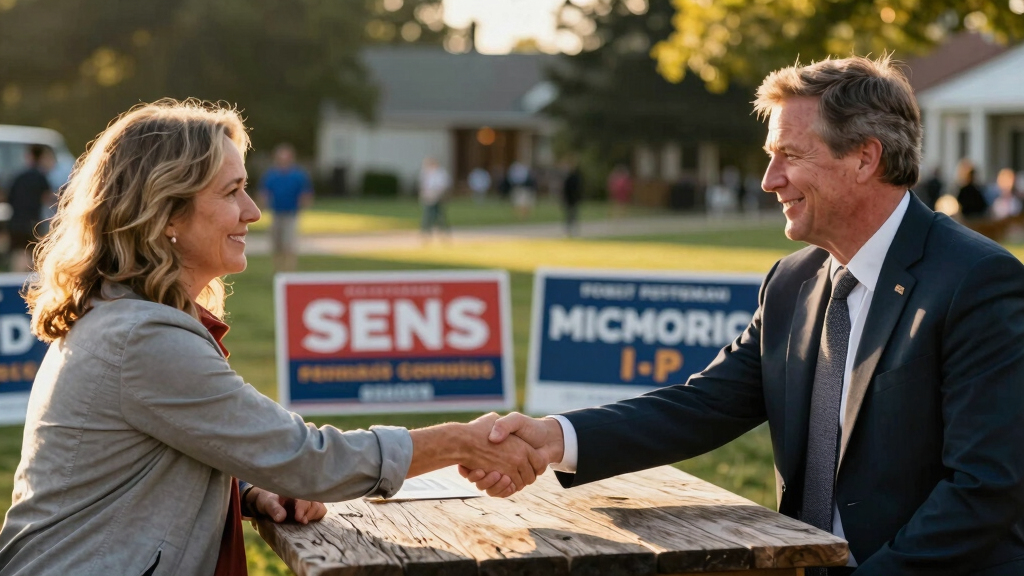
Senators John Fetterman (D-Pennsylvania) and David McCormick (R-Pennsylvania) have formed a joint bipartisan fundraising committee, marking a rare instance of cooperation between members of opposing parties in the Senate.
This development is confirmed by official campaign finance records and signals a potential shift toward bipartisan engagement in political fundraising, which is typically highly polarized.
The Fetterman-McCormick joint committee was officially registered with the Federal Election Commission (FEC) in March 2024. It aims to raise funds for their respective campaigns and political activities, but also symbolizes a broader effort to foster bipartisan collaboration amid increasing political polarization.
Both senators have publicly expressed a desire to work across party lines, and this joint fundraising effort appears to be a strategic move to demonstrate bipartisan unity. Such collaborations are extremely rare at this level of federal politics, especially between Senate incumbents from opposing parties.
According to FEC filings, the committee has already begun soliciting donations, with initial contributions coming from donors who typically support both parties or are interested in bipartisan initiatives. The committee’s formation was first reported by The Washington Post.
Why This Bipartisan Fundraising Effort Is Unusual
This joint fundraising committee is significant because it represents an uncommon effort at bipartisan cooperation in the Senate, especially in the realm of campaign finance. Historically, fundraising efforts are highly partisan, with parties often raising money separately to reinforce ideological divides.
The move could signal a strategic attempt by Fetterman and McCormick to build bridges and appeal to moderate voters, or to influence legislative cooperation. It also challenges the typical perception of Senate polarization, showing that even in a deeply divided political environment, cross-party collaboration can occur.
bipartisan campaign fundraising kit
As an affiliate, we earn on qualifying purchases.
As an affiliate, we earn on qualifying purchases.
Background on Bipartisan Efforts in the Senate
While bipartisan initiatives are not new, formal joint fundraising committees between opposing senators are exceedingly rare. Traditionally, campaign finance is used as a tool for party-building and ideological signaling. However, in recent years, some lawmakers have sought to demonstrate bipartisanship through public statements and joint appearances.
This development follows a broader trend of some members attempting to find common ground on key issues, despite the polarized political climate. The formation of this committee is a notable step that could influence future fundraising and cooperation strategies in Congress.
Unclear Impact on Future Senate Cooperation
It is not yet clear whether this joint fundraising effort will translate into increased legislative cooperation or policy alignment between Fetterman and McCormick. The long-term impact on Senate bipartisanship remains uncertain, as fundraising is often separate from legislative activity.
Additionally, it is unclear how this move will be perceived by their respective party leaderships or constituents, and whether other senators will follow suit.
Next Steps for the Fetterman-McCormick Committee
The committee is expected to continue raising funds through the upcoming election cycle, with further disclosures due to the FEC. Observers will watch for any signs of increased bipartisan cooperation in legislative efforts or public statements from both senators.
Additionally, political analysts will assess whether this development influences campaign strategies or sets a precedent for other bipartisan collaborations in Congress.
Key Questions
Why is it rare for senators from opposing parties to form joint fundraising committees?
Such committees are rare because campaign finance is typically used to reinforce party loyalty and ideological divides. Cross-party fundraising efforts are uncommon, making this development notable.
Could this joint committee lead to legislative cooperation?
While the committee signals a desire for bipartisanship, it is not yet clear if it will result in increased legislative collaboration. Fundraising is separate from policymaking, but it may foster better relationships.
How might party leadership react to this move?
Reactions are uncertain; some leaders may see it as a positive step towards bipartisanship, while others could view it as a challenge to party unity. The long-term impact remains to be seen.
Will other senators follow this example?
It is too early to tell. If the committee proves successful and garners positive attention, it could encourage more cross-party collaborations in fundraising and politics.
What is the main goal of this bipartisan committee?
The primary goal appears to be raising funds for their campaigns while demonstrating a willingness to cooperate across party lines, potentially influencing broader political dynamics.
Source: google-trends
NFL season / tailgating Picks
team gear
As an affiliate, we earn on qualifying purchases.