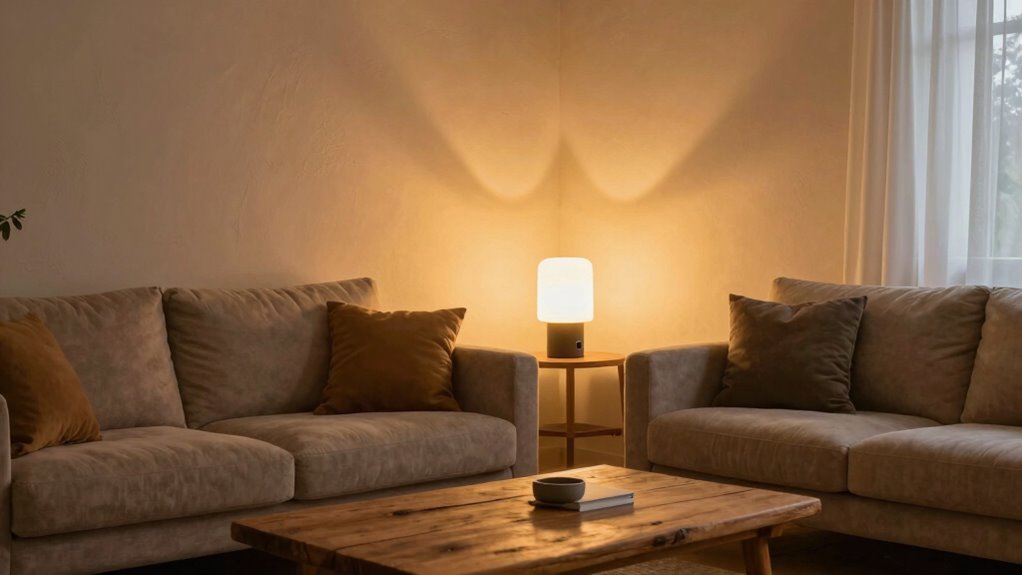

Smart lighting schedules help your home feel more natural by mimicking the daily flow of sunlight, which aligns with your body’s rhythms. By adjusting color temperature and brightness throughout the day, your home can feel warmer and cozier in the evening and more energized during the day. This seamless shift not only creates a more authentic atmosphere but also supports your well-being. Keep exploring to discover how these smart systems can transform your space into a healthier, more inviting environment.

Get travel and outdoor gear delivered free with Prime
- Fast, free delivery on millions of items
- Prime Video, Amazon Music and more included
- Member-only deals all year
Key Takeaways
- Smart lighting schedules mimic natural daylight patterns, creating a more authentic and inviting home environment.
- Automatic color temperature adjustments replicate sunlight changes, enhancing ambiance and psychological well-being.
- Gradual light transitions, such as sunrise and sunset simulations, foster a seamless, natural light flow.
- Aligning lighting with natural cycles supports circadian rhythms, promoting health and restful sleep.
- Dynamic lighting control reduces artificiality, making indoor spaces feel more connected to the outdoors.
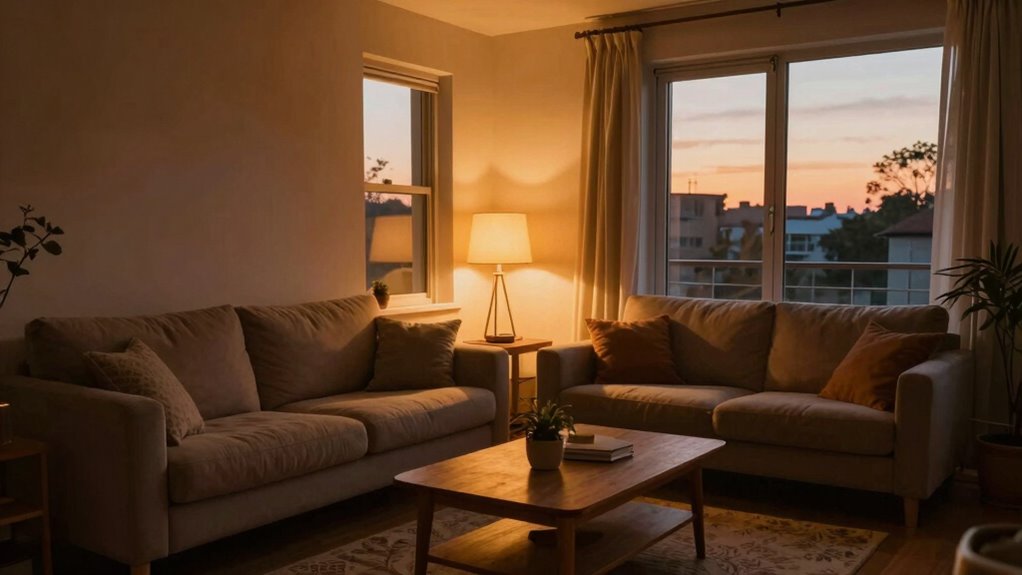
Creating a natural home environment isn’t just about the decor or plants; it also involves how you manage your lighting. Smart lighting schedules can make a significant difference in creating a space that feels warm, inviting, and in harmony with your natural biological rhythms. One key aspect is understanding color temperature. During the day, you want your lights to mimic the natural sunlight—bright, bluish, and energizing—so they have a higher color temperature. As evening approaches, shifting to warmer, softer tones with lower color temperature helps your home feel cozy and relaxing. Smart lighting systems allow you to automatically adjust these settings throughout the day, ensuring your home’s lighting aligns with the natural progression of daylight. Additionally, color temperature plays a crucial role in influencing mood and comfort within your space.
But it’s not just about the aesthetics; it’s also about your health. Your circadian rhythm, the internal clock that regulates your sleep-wake cycle, is highly influenced by light exposure. When your home’s lighting mimics the natural changes in sunlight, it helps keep your circadian rhythm in sync. For example, bright, cool lights during the morning boost your alertness, while warmer, dimmer lights in the evening prepare your body for rest. When your lighting schedule follows these patterns, you’re more likely to experience better sleep quality and increased overall well-being. Smart lighting systems can be programmed to follow these natural cues, turning on and off at specific times or adjusting based on the time of day, without you having to lift a finger. Incorporating biological rhythms into your lighting design can further enhance the health benefits of your environment.
This synchronization with nature’s rhythm creates a seamless flow from morning to night, making your home feel more organic and less artificial. Instead of harsh, inconsistent lighting, you get a steady progression that promotes comfort and relaxation. You can even set your lights to gradually fade in the morning, simulating sunrise and gently waking you up, or to dim gradually at night, preparing you for a restful sleep. This thoughtful control over lighting not only enhances the ambiance but also supports your body’s natural processes. Understanding natural light cycles can help you optimize your lighting schedule even further for health and environmental benefits. Recognizing and utilizing the natural progression of daylight ensures your space remains aligned with the outside environment, fostering a more harmonious living experience.
In essence, smart lighting schedules that consider color temperature and circadian rhythm do more than just illuminate your home—they help shape a living space that feels more authentic and healthier. By aligning your lighting with the natural cycle of the sun, you foster a environment that’s not only visually appealing but also beneficial for your health and well-being. Whether you’re working, relaxing, or sleeping, smart lighting adapts to your needs, making your home truly feel more connected to the natural world outside.
As an affiliate, we earn on qualifying purchases.
Frequently Asked Questions
How Do Smart Lighting Schedules Adapt to Seasonal Changes?
Smart lighting schedules adapt to seasonal daylight changes by automatically adjusting brightness and timing. You’ll notice your lights dim or brighten based on the season, mimicking natural light patterns. With adaptive brightness, the system responds to shorter winter days or longer summer daylight, ensuring your home always feels natural and comfortable. This seamless adjustment helps maintain a cozy atmosphere year-round, aligning your indoor lighting with the outside environment effortlessly.
Can Smart Lighting Schedules Reduce Energy Bills Effectively?
Sure, smart lighting schedules can cut your energy bills—who would’ve thought? By automatically adjusting lights based on your routines, you’ll maximize energy savings and reduce costs without lifting a finger. You might even find yourself amazed at how much you save over time. With this tech, you’re not just lighting your home; you’re smartly reducing expenses and making your wallet happier. It’s like having a financial assistant in your lighting system!
Are Smart Lighting Schedules Compatible With All Smart Home Systems?
Smart lighting schedules are generally compatible with most smart home systems, especially when they support voice control and automation integration. You can easily synchronize your lights with other devices, creating seamless routines. However, compatibility can vary depending on the brand and platform. It’s best to check your system’s specifications or consult with the manufacturer to guarantee your smart lighting schedules will work smoothly within your existing smart home setup.
How Secure Are Smart Lighting Schedules From Hacking or Unauthorized Access?
Smart lighting schedules are generally secure, but cybersecurity risks and privacy concerns exist. For example, a hacker could exploit weak Wi-Fi passwords to access your lighting system, potentially gaining control over your home. To stay safe, use strong, unique passwords, enable two-factor authentication, and keep firmware updated. These steps help protect you from unauthorized access and minimize risks associated with smart lighting systems.
What Is the Typical Setup Process for Creating Personalized Lighting Schedules?
To create personalized lighting schedules, you start with lighting customization through your smart app or device. Then, you access schedule programming features, setting specific times for your lights to turn on or off. You can adjust brightness, color, and duration to match your routine. Once configured, save your schedule, and your smart system automatically manages lighting, making your home look natural and comfortable without manual effort.
Conclusion
Just as a skilled conductor guides an orchestra to create a harmonious melody, a well-crafted smart lighting schedule orchestrates your home’s ambiance, blending light and shadow seamlessly. By mimicking nature’s rhythm, your home becomes a living canvas, shifting effortlessly through day and night. Embracing this harmony, you transform your space into a sanctuary that feels both authentic and inviting—an elegant dance of light that nurtures your well-being and elevates everyday living.
Fall Picks
fall essentials
As an affiliate, we earn on qualifying purchases.