TL;DR

Get travel and outdoor gear delivered free with Prime
- Fast, free delivery on millions of items
- Prime Video, Amazon Music and more included
- Member-only deals all year
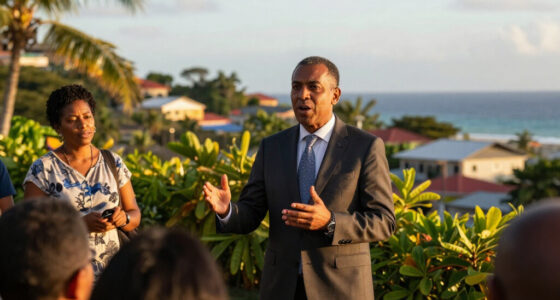
EU Commissioner Lahbib has issued a statement marking the upcoming International Day to Protect Education from Attack, highlighting ongoing concerns about attacks on educational institutions worldwide. The statement underscores EU commitment and calls for global action, amid increasing coverage interest.
European Commissioner for Neighborhood and Enlargement Olivera Lahbib has issued a public statement ahead of the International Day to Protect Education from Attack, scheduled for September 9. The statement underscores the European Union’s ongoing commitment to safeguarding educational institutions and students worldwide, amid rising concerns over attacks on schools in conflict zones. This announcement comes at a time of increasing global attention on the safety of education amid ongoing conflicts and instability.
In her statement, Commissioner Lahbib emphasized that attacks on schools, students, and teachers continue to be a serious violation of international law and human rights. She highlighted recent reports indicating a rise in such incidents, particularly in conflict-affected regions in Africa, the Middle East, and parts of Asia. Lahbib reaffirmed the EU’s support for international efforts, including UN initiatives, aimed at protecting educational spaces and ensuring access to safe learning environments for all children.
Lahbib also called on member states, international organizations, and civil society to intensify efforts to prevent attacks and hold perpetrators accountable. She stressed that the EU remains committed to integrating protection measures into its foreign policy and development programs, and to advocating for stronger international legal frameworks to defend education during conflict.
The statement further notes that the EU has increased funding and technical support to programs focused on protecting schools and promoting safe learning environments, especially in fragile and conflict-affected contexts. Lahbib concluded by urging global partners to prioritize education protection in their agendas and to recognize education as a fundamental human right that must be defended at all costs.
Why Protecting Education Matters in Conflict Zones
The statement by Commissioner Lahbib underscores a critical issue: attacks on education undermine not only the safety of students and teachers but also threaten long-term peace and stability in conflict-affected regions. Protecting schools is essential for ensuring access to quality education, which is vital for economic development and social cohesion. The EU’s vocal support signals a broader international recognition that education is a strategic priority in humanitarian and peacebuilding efforts, especially as reports of increasing attacks raise alarm about the vulnerability of educational infrastructure worldwide. This stance may influence policy and funding priorities, potentially leading to more coordinated international responses to safeguard educational spaces.
school safety security camera system
As an affiliate, we earn on qualifying purchases.
As an affiliate, we earn on qualifying purchases.
Rising Global Attention on Attacks Against Schools
The issue of attacks on educational institutions has gained increased international attention over recent years, with reports indicating a rise in incidents in conflict zones. In 2022, the UN reported that hundreds of schools were targeted in various conflicts, often resulting in damage, destruction, or closure, severely disrupting children’s access to education. This trend is linked to broader conflicts, insurgencies, and political instability, which often see schools as strategic targets or collateral damage. The annual International Day to Protect Education from Attack, established by UNESCO and UNICEF in 2015, aims to raise awareness and mobilize action to prevent such attacks. The timing of Lahbib’s statement aligns with this ongoing global effort and reflects the EU’s desire to reinforce its commitment amid rising coverage and concern.
Unconfirmed Scope and Impact of the EU’s Recent Initiatives
It is not yet clear what specific new measures or funding commitments will be announced alongside Lahbib’s statement. Details on concrete actions or policy changes are still emerging, and the exact scope of EU’s future engagement remains unconfirmed.Next Steps in EU’s Education Protection Efforts
Following Lahbib’s statement, the EU is expected to announce new initiatives or funding programs aimed at protecting schools in conflict zones, possibly during upcoming international forums or UN meetings. Additionally, EU officials may engage with partner countries and organizations to coordinate efforts and implement protection measures. Monitoring the EU’s official channels and upcoming diplomatic engagements will be key to understanding the concrete steps taken in response to this call to action.
Key Questions
What is the International Day to Protect Education from Attack?
The International Day to Protect Education from Attack, observed annually on September 9, aims to raise awareness of attacks on schools and promote efforts to prevent such incidents worldwide. It was established by UNESCO and UNICEF in 2015.
What has prompted Commissioner Lahbib to issue this statement now?
The statement coincides with the upcoming observance of the International Day and reflects increased global concern over rising attacks on educational institutions, especially in conflict zones.
What actions is the EU expected to take following this statement?
The EU is likely to announce new funding, protection initiatives, or policy measures aimed at safeguarding schools in conflict-affected regions. Specific details are expected in the coming weeks.
Are there any recent reports on attacks against schools?
Yes, recent UN reports indicate an increase in attacks on schools in several conflict zones, though exact figures vary and ongoing investigations are still collecting data.
How does this relate to broader EU foreign policy?
This initiative aligns with the EU’s broader foreign policy goals of promoting human rights, peace, and stability, especially in fragile regions affected by conflict.
Source: primary
Fall Picks
fall essentials
As an affiliate, we earn on qualifying purchases.