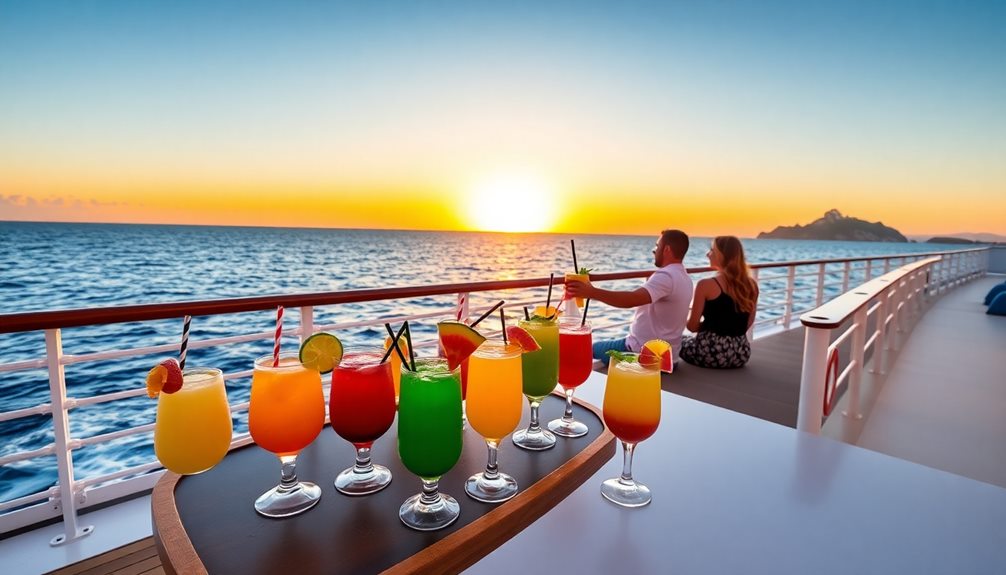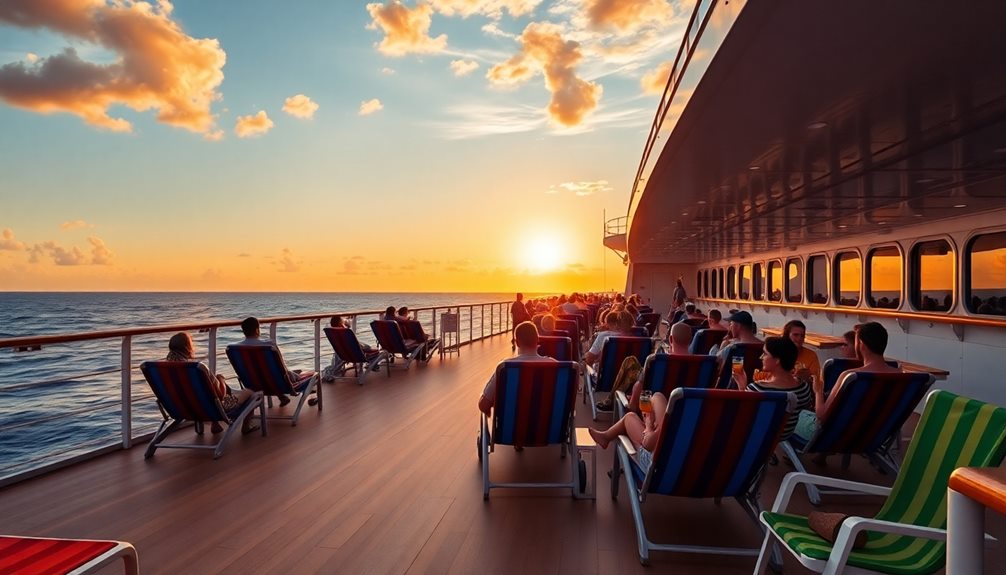

Your vacation photos look flat mainly because of poor lighting techniques that fail to add depth and dimension. When you ignore how light interacts with the scene, your photos appear two-dimensional and unremarkable. To fix this quickly, adjust your position to catch side lighting or shadows, incorporate foreground elements, and look for soft, warm light like during golden hour. Keep experimenting with your angles, and you’ll discover simple ways to instantly bring your photos to life.
Key Takeaways
- Flat photos often result from poor lighting that lacks shadows and highlights, reducing perceived depth.
- Shoot during golden hour or side lighting to create gentle shadows that add dimension.
- Adjust your position relative to the light source to enhance contrast and emphasize contours.
- Incorporate foreground objects to provide scale and spatial context in your shots.
- Quickly changing your angle or framing can significantly improve depth and make photos more lively.
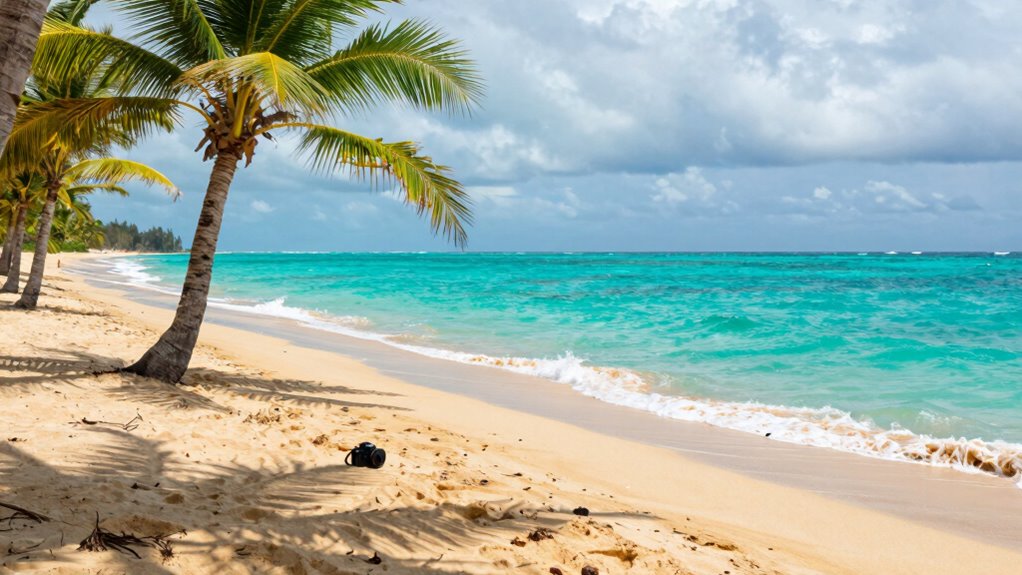
Vacation photos often look flat and unremarkable because they lack depth and dimension. When you snap a picture without paying attention to how light interacts with your scene, your images can feel two-dimensional, missing the sense of space and realism you’re aiming for. To add that much-needed depth, you need to understand and use effective lighting techniques that enhance your depth perception. Lighting isn’t just about brightness; it’s about how shadows and highlights shape the scene, guiding the viewer’s eye and creating a sense of layering.
Flat, dull vacation photos lack depth; mastering light, shadows, and angles creates vibrant, three-dimensional memories.
One simple yet powerful trick is to shoot during the golden hour—shortly after sunrise or before sunset—when the light is soft and warm. This natural lighting casts gentle shadows that outline objects and people, giving them a three-dimensional appearance. Avoid shooting in harsh midday sun, which produces flat, frontal light that flattens features and reduces shadows, making everything look less lively. Instead, aim for side lighting, where the sun hits your subject from the side, emphasizing contours and textures. This contrast between light and shadow enhances your perception of depth, making the scene pop.
Another effective technique involves adjusting your angle relative to the light source. Position yourself so that light falls at an angle to your subject, casting shadows that add visual cues for depth perception. For example, if you’re photographing a monument or a landscape, move slightly to the side to catch the shadows that help define the shapes and distances. Incorporate foreground elements, like a branch or a person, and position them closer to the camera lens. These objects anchor the scene and create a sense of scale and space, further reinforcing depth.
Using shadows intentionally can also improve your vacation photos. Shadows can act as visual guides, leading the viewer’s eye through the photo and emphasizing the spatial relationships between objects. For instance, shadows cast by trees or buildings can add layers that make the scene look more three-dimensional. Pay attention to how different light angles influence the shadows—experiment until you find the perspective that best enhances the scene’s depth perception. Additionally, understanding how contrast ratio impacts your image’s tonal range can help you better control the depth and clarity in your photos.
In just 30 seconds, you can adjust your position, observe how the light falls across your scene, and incorporate shadows to create a more dynamic, three-dimensional image. By mastering these lighting techniques, you’ll give your vacation photos the depth and dimension they need to truly capture the essence of your trip. No more flat, dull images—just vibrant, lively memories that stand out.
camera lens filters for landscape photography
As an affiliate, we earn on qualifying purchases.
As an affiliate, we earn on qualifying purchases.
Frequently Asked Questions
How Does Lens Choice Affect Photo Depth?
Your lens choice markedly impacts photo depth by influencing focal length choices and composition techniques. A wide-angle lens creates a sense of depth, making foreground objects pop and background recede. Conversely, a telephoto lens compresses space, flattening the scene. By selecting the right focal length, you control how layers and distances are perceived, helping your vacation photos look more dynamic and three-dimensional.
Can Editing Software Improve Flat-Looking Vacation Photos?
Yes, editing software can breathe new life into flat-looking vacation photos. You can use color grading to add depth and vibrancy, making your images pop. Additionally, applying composition tips like adjusting contrast and sharpness enhances details and creates a sense of dimension. Think of it as giving your photos a fresh coat of paint—transforming dull moments into lively memories you’ll cherish forever.
What Camera Settings Help Add Depth to Images?
To add depth to your images, you should adjust your aperture settings. Use a smaller f-stop (like f/2.8) to create a shallow depth of field, making your subject stand out against a blurred background. Incorporate depth cues such as leading lines, foreground interest, and varied focus. These techniques help your camera capture more sense of space, making your photos look more dynamic and three-dimensional.
How Does Lighting Impact the Perception of Flatness?
Lighting greatly impacts how flat your photos appear. When you use strong color contrast and strategic shadow placement, your images gain depth and dimension. Bright, even lighting can make scenes look flat, so aim for softer light or side lighting that creates shadows. Shadows help define shapes, while color contrast emphasizes different elements, making your vacation photos more dynamic and less flat.
Are There Specific Shooting Techniques to Avoid Flat Photos?
Use composition tricks like framing and leading lines to add depth, choose angles that create perspective, and focus on contrasting colors to make your subjects pop. Avoid shooting straight-on or from eye level, which flattens images. Instead, get close, shoot from low or high angles, and incorporate foreground and background elements. These techniques draw the viewer’s eye through the photo, transforming flat images into vibrant, dynamic scenes.

BZE 62 inches Extendable Selfie Stick Tripod with Wireless Remote & Phone Holder, Portable Aluminum Alloy 3 in 1 Stand for Group Photos, Vlogging & Travel Compatible with All Smartphones
【3-In-1 Selfie Stick and Tripod Stand】 This is a sturdy selfie stick tripod made of nylon and aluminum…
As an affiliate, we earn on qualifying purchases.
As an affiliate, we earn on qualifying purchases.
Conclusion
Now, imagine your vacation photos bursting with vibrant colors and depth, like a lively marketplace or a sun-drenched beach. With just a quick 30-second fix, you’ll bring your memories to life, making viewers feel the warm sun on their skin or the cool ocean breeze. Don’t let flat photos dull your adventures—add some contrast and shadows, and watch your images transform into vivid stories that truly capture the magic of your trip.
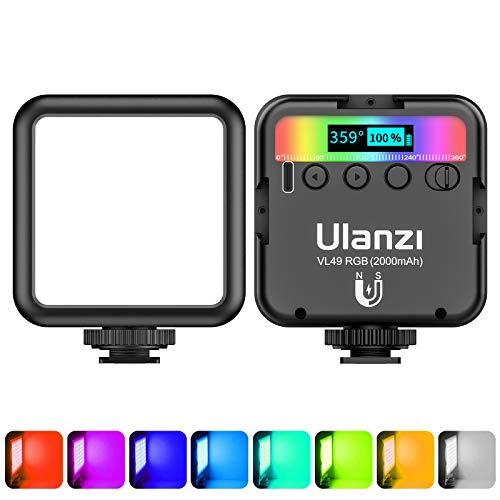
ULANZI VL49 RGB Video Lights, LED Camera Light 360° Full Color Portable Photography Lighting w 3 Cold Shoe, 2000mAh Rechargeable CRI 95+ 2500-9000K Dimmable Panel Lamp Support Magnetic Attraction
【Professional RGB LED Video Lights】The new version VL49 RGB LED video light adopts 60 high color rendering led…
As an affiliate, we earn on qualifying purchases.
As an affiliate, we earn on qualifying purchases.
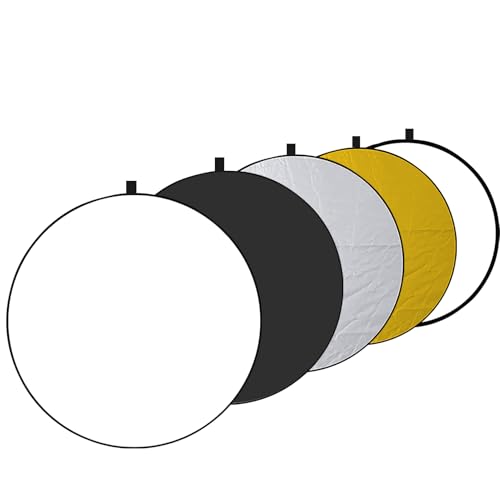
EMART 24'' (60cm) 5 in 1 Photo Collapsible Photography Reflector with Bag – Portable Camera Panel for Studio Video,Outdoor Lighting, Indoor Shooting, Portraint -Translucent, White, Silver, Gold, Black
【5-in-1 Multi-Purpose Photography Reflector】 This portable reflector features gold, silver, white, black, and translucent surfaces, plus a soft…
As an affiliate, we earn on qualifying purchases.
As an affiliate, we earn on qualifying purchases.