
TL;DR

Get travel and outdoor gear delivered free with Prime
- Fast, free delivery on millions of items
- Prime Video, Amazon Music and more included
- Member-only deals all year
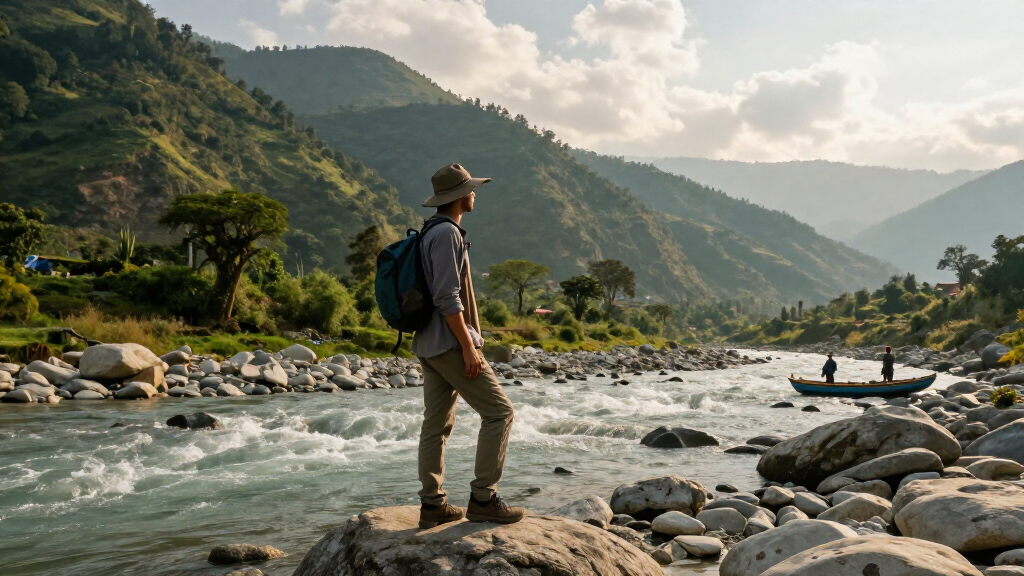
The Trishuli River in Nepal has seen a surge in international media coverage, with over 25 mentions in recent hours. This increased attention highlights growing global interest in Nepal’s river systems, although the reasons for this surge are still emerging.
The Trishuli River in Nepal has experienced a notable increase in international media mentions, with over 25 reports recorded in the past few hours, according to media monitoring tools. This surge in coverage is attracting global attention to Nepal’s river systems, though the specific reasons for this heightened interest remain unclear.
Media analysis from GDELT indicates that the Trishuli River has been mentioned more than 25 times within an 8-hour window, a significant rise compared to baseline levels. The surge is attributed to a combination of factors, including recent environmental concerns, potential hydropower developments, and Nepal’s broader efforts to promote its natural resources on the international stage. It is important to note that these mentions are primarily in news outlets, environmental reports, and social media discussions.
Officials from Nepal’s Department of Hydrology and Meteorology confirmed that the increase in media attention is not linked to any recent natural disasters or major infrastructural incidents. For related regional coverage, see the Gaza and Hebron areas. Instead, sources suggest that the coverage may be driven by international interest in Nepal’s hydropower potential and environmental initiatives. Experts warn that while media attention can boost awareness and investment, it also raises concerns about the sustainability and management of Nepal’s river resources.
Implications of Increased Global Coverage for Nepal’s Rivers
The surge in international media coverage of the Trishuli River underscores Nepal’s growing prominence in global environmental and energy discussions. This attention could lead to increased foreign investment, tourism, and international cooperation on river management and hydropower projects. However, it also raises concerns about environmental sustainability, community impacts, and the need for transparent resource management. The heightened focus may influence policy decisions and international aid, shaping Nepal’s future development strategies.
As an affiliate, we earn on qualifying purchases.
Over the past year, Nepal has increasingly been featured in international media due to its rich natural resources, including rivers and hydropower potential. The Trishuli River, one of the major tributaries in central Nepal, has been part of ongoing discussions around renewable energy projects, environmental conservation, and tourism development. Media interest often peaks around new projects, environmental reports, or natural events, but the current surge appears to be broader, encompassing multiple facets of Nepal’s riverine resources.
Prior to this spike, Nepal’s rivers had sporadic media coverage linked to hydropower project launches and environmental assessments. The recent increase in mentions suggests a shift towards sustained international interest, possibly driven by Nepal’s strategic efforts to position itself as a key player in regional energy markets and environmental conservation.
“The recent spike in media coverage reflects increased global awareness of Nepal’s hydropower potential and environmental initiatives. It’s a positive sign, but we must ensure sustainable management of our river resources.”
— Dr. Anil Sharma, Nepal Hydrology Expert
Unclear Causes Behind the Media Surge
It is not yet confirmed what specifically triggered the recent surge in coverage. While environmental and hydropower themes are suspected, there is no official statement linking the media attention to a particular event or announcement. Analysts suggest that the coverage could be part of broader geopolitical or economic developments, but concrete details remain unavailable.
Monitoring Future Media Trends and Policy Responses
Authorities in Nepal are expected to monitor the evolving media landscape and may issue statements clarifying the reasons for increased coverage. International organizations and investors are likely to scrutinize Nepal’s environmental policies and hydropower projects further. The coming weeks will reveal whether this surge translates into tangible investment, policy shifts, or environmental initiatives, or if it remains a transient media phenomenon.
Key Questions
Why has the Trishuli River gained international media attention?
Media coverage has surged due to increased interest in Nepal’s hydropower potential, environmental initiatives, and possibly recent developments in regional energy or environmental policies. Specific causes are still being investigated.
According to official sources, there have been no reports of recent natural disasters or environmental incidents affecting the Trishuli River. The coverage appears to be driven by broader interest rather than a specific event.
Could this media attention lead to increased investment?
Potentially, yes. Increased international coverage can attract foreign investment and aid, especially in hydropower projects and environmental conservation efforts. However, concrete commitments depend on policy responses and project developments.
What are the environmental concerns associated with increased media focus?
Heightened attention may lead to rapid development, which could threaten local ecosystems, water quality, and community livelihoods if not managed sustainably. Experts emphasize the importance of responsible planning and oversight.
Source: gdelt
Columbus Day / Indigenous Peoples' Day Picks
long weekend sales
As an affiliate, we earn on qualifying purchases.