

TL;DR

Get travel and outdoor gear delivered free with Prime
- Fast, free delivery on millions of items
- Prime Video, Amazon Music and more included
- Member-only deals all year
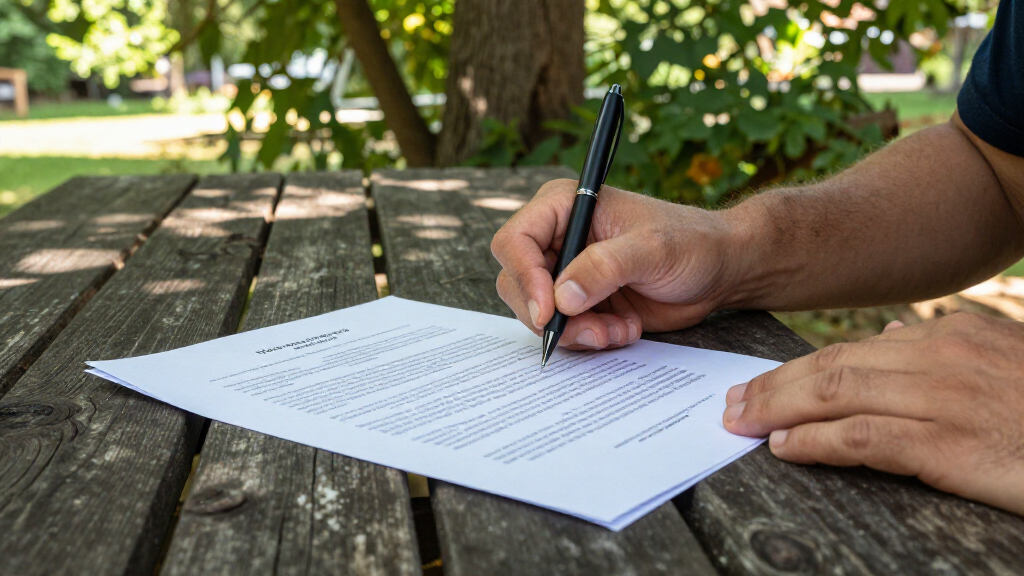
Former President Donald Trump has signed into law the ‘Sanctions from Hell’ bill, authored by late Senator Lindsey Graham, aimed at imposing strict sanctions on Russia. The move marks a significant escalation in U.S.-Russia policy, though some details remain unclear.
Former President Donald Trump has officially signed into law the ‘Sanctions from Hell’ bill, authored by late Senator Lindsey Graham, which imposes new, stringent sanctions on Russia. This move comes amid ongoing tensions between the U.S. and Russia and signals a significant policy shift, though details of the law’s provisions are still emerging.
The legislation, known as the ‘Sanctions from Hell’, was introduced in Congress by Senator Graham before his death and was passed with bipartisan support. It aims to target Russian financial institutions, individuals, and sectors deemed critical to Moscow’s strategic interests. The White House confirmed the signing, emphasizing that the law will be implemented in coordination with existing sanctions regimes.
Sources close to the administration indicated that the law includes measures such as asset freezes, travel bans, and restrictions on Russian energy and defense sectors. The signing was described as a decisive step by officials seeking to increase economic pressure on Russia, especially in light of recent geopolitical developments.
It is not yet clear how the law will be enforced or whether the Biden administration will seek waivers or modifications. The law’s passage was seen as a symbolic gesture by supporters, who argue it underscores U.S. commitment to counter Russian aggression, while critics caution about potential repercussions for diplomatic relations.
Implications of the ‘Sanctions from Hell’ Law for U.S.-Russia Relations
The signing of the ‘Sanctions from Hell’ law represents a notable escalation in U.S. economic measures against Russia. It signals a bipartisan consensus on increasing pressure and could impact diplomatic negotiations, energy markets, and global security dynamics. For Russia, it means further economic isolation and increased challenges in accessing Western financial systems.
For the U.S., the law underscores a tough stance on Moscow, potentially influencing international alliances and prompting Russia to seek alternative economic partnerships. The move also reflects ongoing congressional efforts to assert a hardline approach amid complex geopolitical tensions.
Russian sanctions compliance software
As an affiliate, we earn on qualifying purchases.
As an affiliate, we earn on qualifying purchases.
Background on the ‘Sanctions from Hell’ Legislation and Its Origins
The legislation was initially drafted by Senator Lindsey Graham before his death in 2023, as part of a broader effort to bolster sanctions against Russia. It gained momentum in Congress amid heightened concerns over Russian military activity and cyber interference. The bill had bipartisan support, with lawmakers emphasizing the need for robust economic measures to deter further aggression.
While the law was not signed during Graham’s lifetime, it was passed by both chambers of Congress and remained pending until now. The current administration’s decision to sign it into law follows a series of recent escalations in U.S.-Russia tensions, including military confrontations and diplomatic disputes.
Historically, U.S. sanctions against Russia have evolved over years, with significant measures enacted following Crimea’s annexation in 2014 and more recent actions related to Ukraine and cyber activities. The ‘Sanctions from Hell’ law is seen as a continuation of this trend, aiming to impose even more severe restrictions.
Unclear Details on Enforcement and International Impact
It remains uncertain how the Biden administration will implement the law, whether it will seek waivers, or how Russia will respond to the new sanctions. The specifics of certain provisions, such as targeted sectors and enforcement mechanisms, are still being clarified by officials.
Additionally, the broader geopolitical consequences, including potential retaliation from Russia and shifts in international alliances, are still developing and are difficult to predict at this stage.
Next Steps in Enforcement and Diplomatic Reactions
The Biden administration is expected to begin implementing the law’s provisions in the coming weeks, with agencies assessing which entities will be targeted and how to coordinate sanctions. Congressional oversight hearings may follow to review enforcement efforts.
Diplomatic responses from Russia are anticipated, possibly including retaliatory measures or increased diplomatic pressure. International allies will also be watching closely to determine their own positions and potential adjustments to sanctions regimes.
Further legislative or executive actions could also be forthcoming, especially if Russia escalates its actions or if new developments emerge in the geopolitical landscape.
Key Questions
What does the ‘Sanctions from Hell’ law do?
The law aims to impose severe sanctions on Russia, including asset freezes, travel bans, and restrictions on key sectors such as energy and defense, to increase economic pressure on Moscow.
Why is this law significant?
It represents a major escalation in U.S. sanctions policy, with bipartisan support, and signals a firm stance against Russian aggression, potentially affecting diplomatic and economic relations.
When was the law signed into effect?
The law was signed into effect shortly after congressional approval, with official confirmation from the White House in March 2024.
How might Russia respond?
Russia could retaliate with its own sanctions, diplomatic protests, or increased military activity, though specific responses are still uncertain.
What are the next steps for enforcement?
U.S. agencies will begin implementing the sanctions, with oversight and possible adjustments based on Russia’s reactions and evolving geopolitical developments.
Source: rss
Columbus Day / Indigenous Peoples' Day Picks
long weekend sales
As an affiliate, we earn on qualifying purchases.