
TL;DR

Get travel and outdoor gear delivered free with Prime
- Fast, free delivery on millions of items
- Prime Video, Amazon Music and more included
- Member-only deals all year
A US judge has demanded the Trump administration explain why a tarp was placed over the Kennedy Center facade. The order follows concerns over transparency and public accountability. The administration has yet to respond.
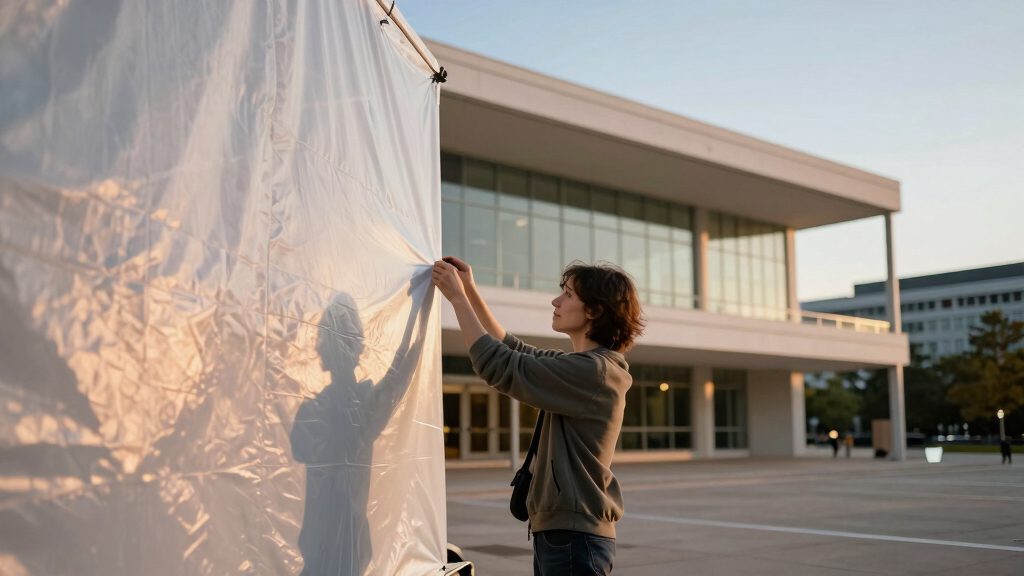
A federal judge has ordered the Trump administration to explain why a tarp was placed over the facade of the Kennedy Center, marking a rare judicial intervention into a matter of public transparency. The order was issued after concerns arose about the obscuring of a prominent cultural landmark and whether the action was justified or was an attempt to restrict public view.
The judge’s order mandates the Department of Homeland Security and related agencies to clarify the purpose of the tarp, which was installed earlier this month. The tarp, covering the Kennedy Center’s facade, has drawn criticism from lawmakers and arts advocates who argue it limits public access and visibility of a national cultural institution. The administration has not publicly explained the rationale behind the installation, leading to legal scrutiny. The court’s decision was based on a petition filed by advocacy groups and local officials, citing concerns over transparency and potential misuse of authority.Sources confirm that the tarp was installed without prior public notice or official explanation. The Trump administration has yet to submit a formal response to the court order, and it remains unclear whether the tarp will be removed or if further legal action will ensue. The Kennedy Center, a symbol of American arts and culture, is located in Washington, D.C., and is a federally funded institution.
Legal and Public Accountability Over Cultural Landmark
This development underscores ongoing tensions between government transparency and administrative discretion, especially regarding public cultural sites. The court’s intervention highlights concerns about potential overreach or concealment by the Trump administration. For the public, it raises questions about access to and oversight of federally funded institutions, emphasizing the importance of transparency in government actions affecting national landmarks. The case could set a precedent for future disputes over public display and government control of cultural sites.
Kennedy Center facade tarp removal
As an affiliate, we earn on qualifying purchases.
As an affiliate, we earn on qualifying purchases.
Background of the Kennedy Center and Recent Controversy
The Kennedy Center, established in 1971, is a prominent American cultural institution funded largely by federal dollars. Recently, the Trump administration installed a large tarp over its facade, prompting criticism from arts advocates, local officials, and some lawmakers. The installation was not accompanied by official explanations, fueling speculation about its purpose. Legal challenges emerged when advocacy groups argued that the tarp restricted public view and access, violating principles of transparency and accountability. The incident is part of broader concerns over government transparency and the administration’s approach to public institutions.
“The court’s order underscores the need for transparency when government actions impact public cultural landmarks.”
— Attorney representing advocacy groups
Unanswered Questions About the Tarp’s Purpose
It is not yet clear why the tarp was installed or whether it was authorized officially. The administration has not provided detailed explanations, and the court’s order demands clarification. The potential for removal or further legal action remains uncertain as the agencies prepare their response.
Next Steps in Court and Administrative Response
The Department of Homeland Security is expected to submit a formal explanation to the court within the specified timeframe. The court may then decide whether the tarp must be removed or if additional legal measures are necessary. Public commentary and political reactions are also anticipated as the case develops. The outcome may influence future transparency standards for government-controlled cultural sites.
Key Questions
Why did the Trump administration put a tarp over the Kennedy Center?
The specific reason for the tarp’s installation has not been officially disclosed, which is why the court has ordered the administration to clarify its purpose.
The court can issue orders in cases involving transparency and public accountability, especially when government actions impact publicly funded institutions or landmarks.
Will the tarp be removed following the court order?
It is currently unclear. The administration has not responded yet, and the court’s next steps will depend on their explanation and any subsequent legal rulings.
Could this lead to the removal of the tarp?
Potentially, if the court finds the administration’s justification insufficient or if the court orders its removal. The decision depends on the forthcoming explanation and legal considerations.
Does this incident affect the operation of other cultural landmarks?
This case may set a precedent for transparency and government accountability regarding public cultural sites, possibly influencing future actions and policies.
Source: google-trends
Halloween Picks
halloween
As an affiliate, we earn on qualifying purchases.