
TL;DR

Get travel and outdoor gear delivered free with Prime
- Fast, free delivery on millions of items
- Prime Video, Amazon Music and more included
- Member-only deals all year
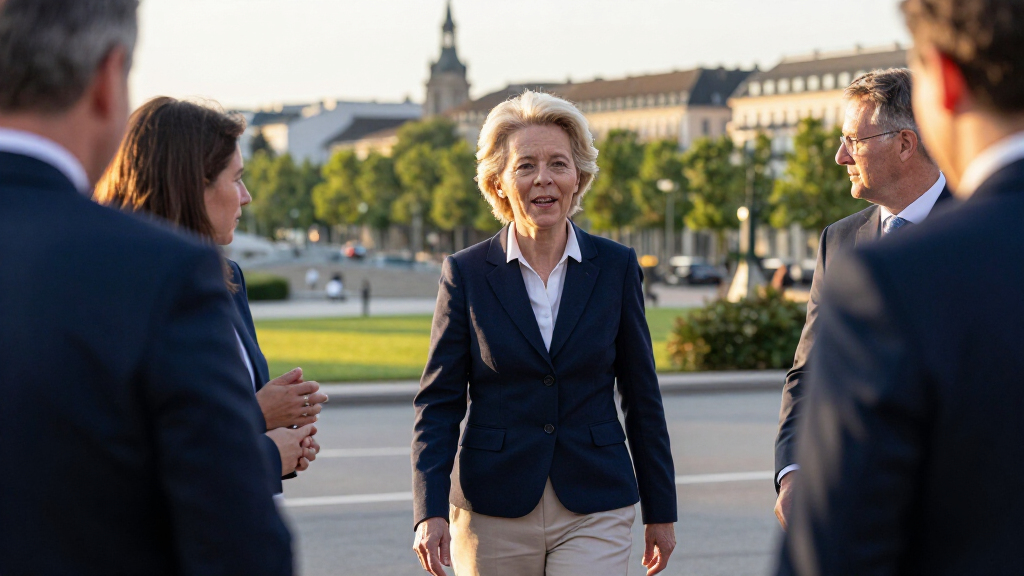
European Commission President Ursula von der Leyen visited Nuuk and confirmed Europe’s ongoing commitment to active presence and engagement in the Arctic and Greenland. The visit underscores Europe’s strategic interest in the region amid increasing geopolitical focus.
European Commission President Ursula von der Leyen visited Nuuk, Greenland, where she publicly reaffirmed Europe’s commitment to maintaining a strategic presence and active engagement in the Arctic region. This visit marks a significant diplomatic gesture amid rising international interest in the Arctic’s geopolitical and resource potential.
During her visit to Nuuk, President von der Leyen emphasized Europe’s intention to strengthen cooperation with Greenland and Arctic nations, asserting that Europe recognizes the region’s growing importance for climate, security, and economic reasons. The European Commission confirmed that her remarks included reaffirming existing commitments to Arctic research, sustainable development, and regional stability.
The visit follows recent increases in geopolitical activity in the Arctic, with nations like Russia, the United States, China, and others expanding their presence and strategic interests. While specific policy initiatives were not detailed during the visit, officials indicated that the European Union aims to remain an active participant in Arctic governance and environmental stewardship.
Greenland, an autonomous Danish territory, has seen increased international attention due to its strategic location and potential natural resources. The EU’s reaffirmation signals a desire to maintain influence and foster cooperation with Greenland and other Arctic stakeholders, amidst broader global competition for influence in the region.
Implications of Europe’s Arctic Recommitment
This reaffirmation by President von der Leyen underscores Europe’s strategic intent to maintain influence in the Arctic amid intensifying international competition. The region’s geopolitical importance is rising due to climate change, which is opening new shipping routes and access to natural resources. Europe’s active engagement could influence regional governance and environmental policies, shaping the future of Arctic development.
Furthermore, this visit highlights Europe’s recognition of Greenland’s significance, both geopolitically and economically. As Greenland’s natural resource potential becomes more accessible, European involvement could impact resource management and regional stability, especially as other powers increase their presence.
For global observers, the move signals a broader shift towards increased international interest in the Arctic, with Europe positioning itself as a key stakeholder alongside traditional powers, which could affect future negotiations and regional alliances.
As an affiliate, we earn on qualifying purchases.
Greenland and Arctic Geopolitical Dynamics
The Arctic region has gained prominence over recent years due to climate change, which is melting ice and opening new maritime routes and access to untapped natural resources. Multiple countries, including Russia, the United States, China, and Canada, have increased their military, scientific, and economic activities in the region.
Greenland, with its strategic location and vast natural resources, has become a focal point for international interest. Its autonomous status within Denmark allows it to pursue its own policies, attracting foreign investment and diplomatic attention. The EU’s renewed commitment aligns with a broader trend of regional powers seeking influence in the Arctic, aiming to shape environmental policies, resource development, and security arrangements.
While the EU has historically been less active in Arctic geopolitics compared to other powers, recent statements by leaders suggest a desire to enhance its role in regional governance and environmental stewardship, amid rising global competition.
Unconfirmed Details of Future EU Arctic Policies
It is not yet clear what specific policy initiatives or funding commitments will accompany Europe’s reaffirmed engagement in the Arctic. The EU has not announced new programs or strategic plans during the visit, and details of future cooperation remain under discussion.
Additionally, the extent to which this reaffirmation will influence regional governance structures or alter existing geopolitical dynamics is still uncertain, as other Arctic stakeholders have not publicly responded to the EU’s renewed stance.
Next Steps in Europe’s Arctic Strategy Development
Following this visit, European officials are expected to engage in further diplomatic talks with Greenland and other Arctic nations to define specific cooperation frameworks. The EU may also initiate new research collaborations and environmental initiatives aligned with its climate goals.
Observers anticipate that upcoming international Arctic forums and regional summits will serve as platforms for Europe to clarify its strategic role and deepen partnerships. The EU’s Arctic policy review, expected later this year, will likely outline concrete steps and funding priorities.
Key Questions
Why is Europe’s presence in the Arctic increasing?
Europe recognizes the Arctic’s strategic importance for climate research, security, and economic opportunities, especially as climate change opens new shipping routes and access to resources. The EU aims to maintain influence and foster cooperation in the region.
What specific actions did President von der Leyen announce?
During her visit, she reaffirmed Europe’s commitment to Arctic engagement but did not specify new policies or funding. The focus was on reaffirming existing commitments and emphasizing cooperation.
How does Greenland view Europe’s renewed interest?
Greenland officials see Europe’s reaffirmation as a positive sign of continued interest and potential partnership, but they are also balancing relations with other Arctic powers, including the US and China.
Will this affect regional security arrangements?
It is currently unclear. While the EU’s reaffirmation signals intent to participate actively, specific security initiatives or alliances have not been announced.
Source: primary
Fall Picks
fall essentials
As an affiliate, we earn on qualifying purchases.